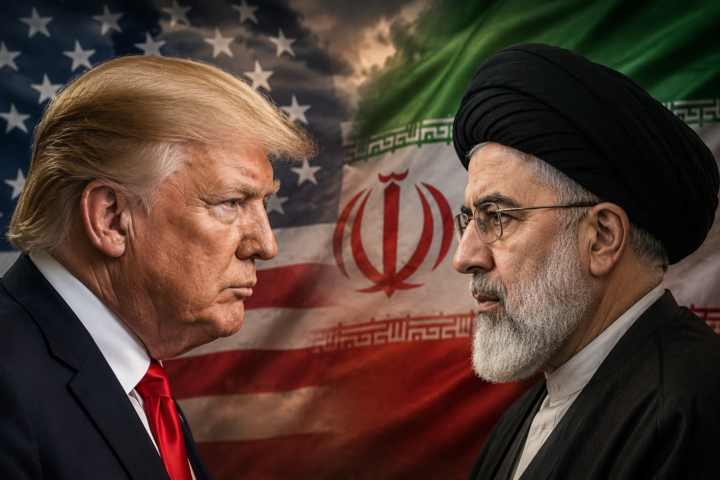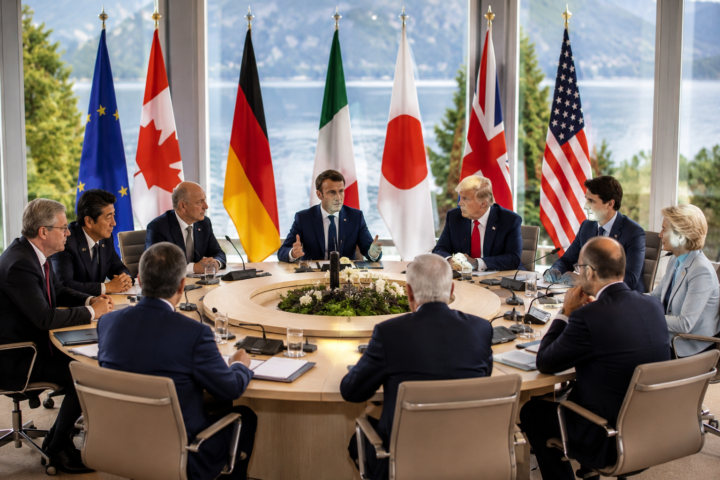
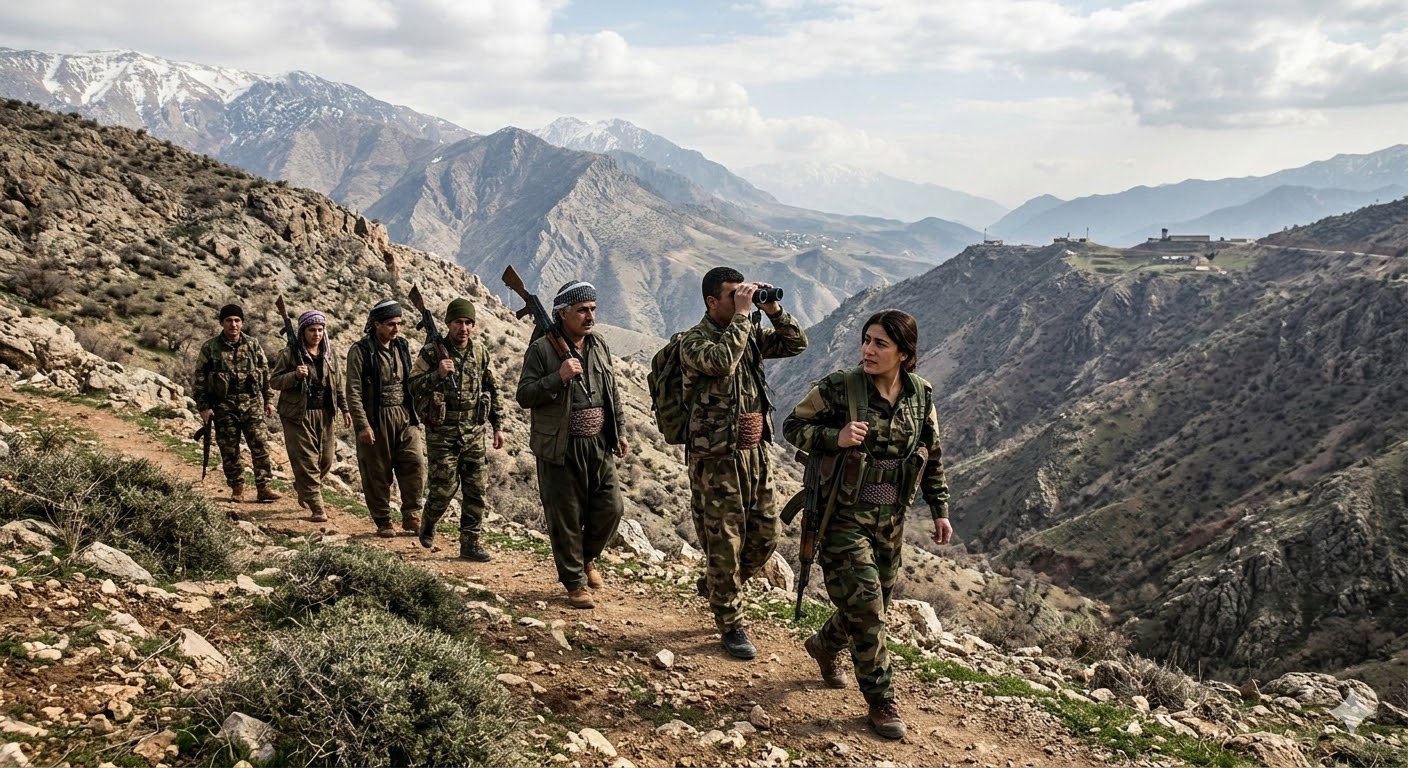
The US Kurds Iran strategy is drawing scrutiny across the Middle East as Washington reportedly considers Kurdish fighters as a potential ground force against Tehran.
Analysts warn the US Kurds Iran approach risks repeating a long history of alliances that later collapsed, leaving Kurdish groups exposed.
Reports circulating in regional media suggest the White House and security officials may be exploring ways to pressure Iran’s central government in Tehran through Kurdish groups operating near the Iraqi border.
However, officials in Erbil and regional experts caution that past experiences show such strategies often carry major political and humanitarian consequences.
US Kurds Iran Strategy Raises Regional Tensions
Security analysts indicate that Washington may be seeking additional leverage against Iran as military tensions grow following US-Israel strikes targeting Iranian leadership structures.
Some intelligence discussions reportedly involve Kurdish political figures in northern Iraq and Iranian Kurdish factions.
Regional concerns center on three factors:
- Potential Kurdish armed activity in northwestern Iran
- Possible covert logistical support from US intelligence agencies
- Risk of escalation involving neighboring states such as Türkiye and Iraq
Officials within the Kurdistan Regional Government (KRG) stress that their territory must not become a launching ground for conflict.
Kurdish Leaders Signal Caution
Political leaders in northern Iraq have distanced themselves from any military plans targeting Iran.
Kurdish authorities emphasize:
- Preserving stability in the Kurdistan Region of Iraq
- Avoiding escalation with neighboring countries
- Protecting civilian populations in border regions
Regional diplomacy has intensified as Kurdish officials maintain dialogue with Tehran while also coordinating with Baghdad.
Historical Record Shapes Kurdish Calculations
The US Kurds Iran debate reflects a broader historical pattern in Middle East geopolitics.
Past episodes continue to influence Kurdish leaders today:
- 1975: Washington and Iran halted support for Iraqi Kurdish rebels after a regional agreement with Baghdad.
- 1991: Kurdish uprisings in Iraq faced severe retaliation after the Gulf War.
- 2019–2024: Kurdish forces in Syria lost territory following shifts in US regional strategy.
Because of these experiences, Kurdish political figures now weigh military cooperation with foreign powers more cautiously.
Regional Powers Could Respond Quickly
Any Kurdish military action inside Iran would likely trigger strong reactions across the region.
Analysts note that several governments share concerns about separatist movements:
- Türkiye
- Iran
- Syria
- Iraq
Security experts warn that coordinated pressure from these states could quickly suppress any insurgency.
Strategic Debate Inside Washington
Within US policy circles, debate continues over whether encouraging Kurdish pressure on Iran would produce strategic gains or deepen instability.
Some policymakers argue Kurdish groups provide a capable local force familiar with mountainous border terrain. Others warn that history demonstrates the limits of proxy warfare.
Ultimately, the US Kurds Iran strategy raises difficult questions about regional stability, minority security, and the long-term consequences of geopolitical alliances.