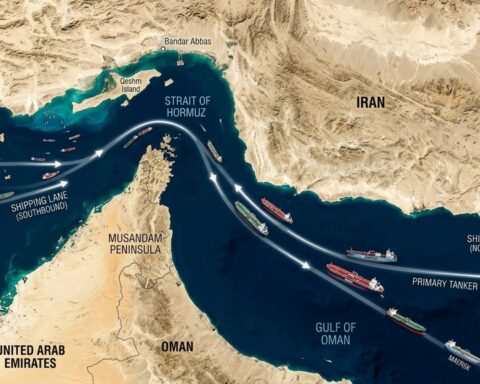

Iran drones Gulf attacks intensified Wednesday after Iran’s Revolutionary Guard Corps launched 230 drones at facilities linked to US forces across Kuwait, Iraq, Saudi Arabia and the United Arab Emirates.
The cross-border strikes mark a major escalation in the widening Iran war and raise fears of broader regional fallout.
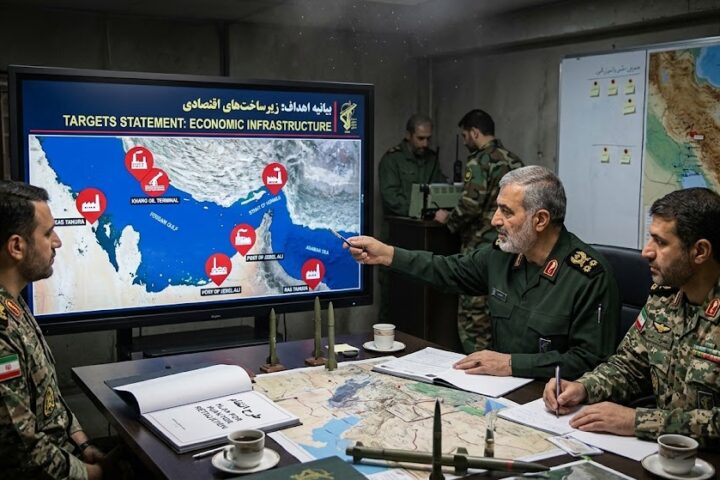
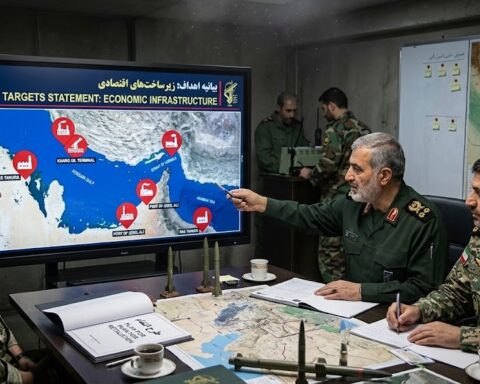
Iran’s Revolutionary Guard Corps described the operation as among its first major steps in the conflict.
The wave of drones targeted US military bases, diplomatic facilities and logistical sites across the Gulf.
Iran Drones Gulf Attacks Hit Kuwait Bases
In Kuwait, drones struck near Ali Al Salem Air Base and Camp Arifjan, both of which host US troops.
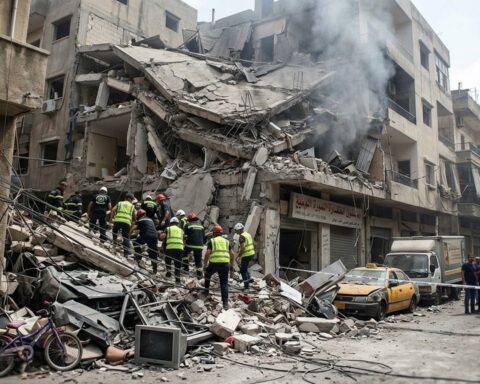
Kuwait’s Ministry of Health confirmed that falling debris killed an 11-year-old girl.
Medical teams attempted resuscitation during transport and continued efforts at Al-Amiri Hospital, but she later died from her injuries.
The incident marks the first confirmed civilian fatality in Kuwait since the escalation began.
Drones Target US Sites in Iraq
In Iraq, Iran drones Gulf attacks extended to key US-linked locations.
- A drone targeted a logistical support facility tied to the United States Embassy Baghdad near Baghdad International Airport.
- Security forces reported a similar attempted strike near the airport a day earlier.
- Two drones also targeted a US military base and a hotel in Erbil.
Separately, a drone strike hit a building in Sulaimaniyah, triggering an explosion and fire, according to verified footage circulated online.
Iraqi authorities increased security around diplomatic compounds and aviation facilities as a precaution.
Saudi Arabia Intercepts Drone in Eastern Province
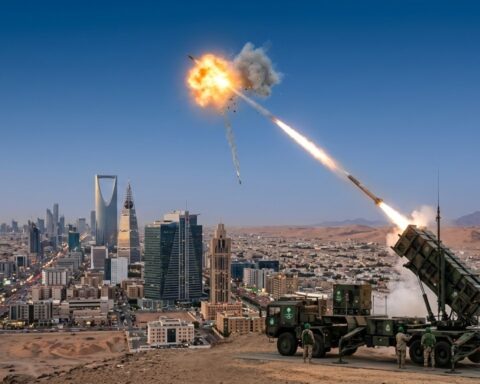
Saudi Arabia’s Defense Ministry confirmed it intercepted and destroyed a drone in the Kingdom’s Eastern Province.
Officials did not immediately identify the drone’s origin. They also did not report casualties or infrastructure damage.
The interception follows previous drone incidents near US diplomatic facilities in the region.
UAE Reports Strikes Near US Diplomatic Facilities
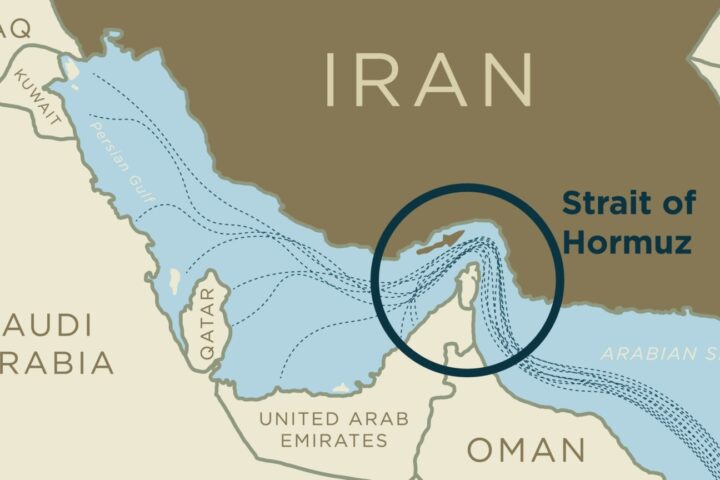
In the United Arab Emirates, strikes were reported near the United States Consulate General Dubai and at a port facility in Fujairah.
The US State Department authorized the departure of nonemergency government personnel from certain Gulf posts.
The move signals growing security concerns as Iran drones Gulf attacks continue across multiple countries.
Regional Impact and Airspace Risks
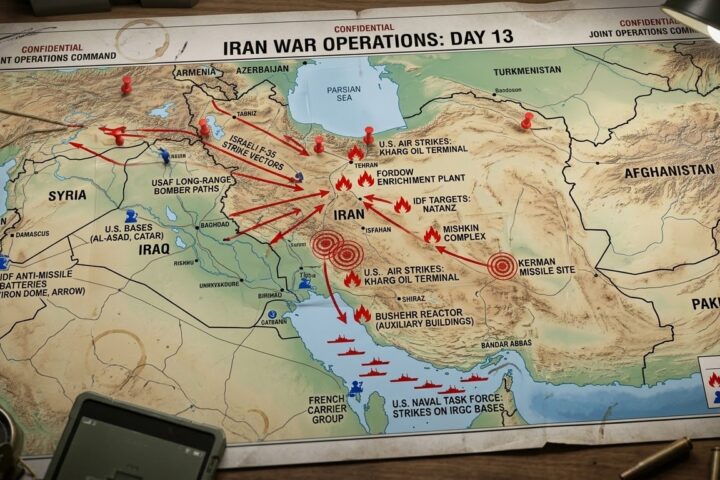
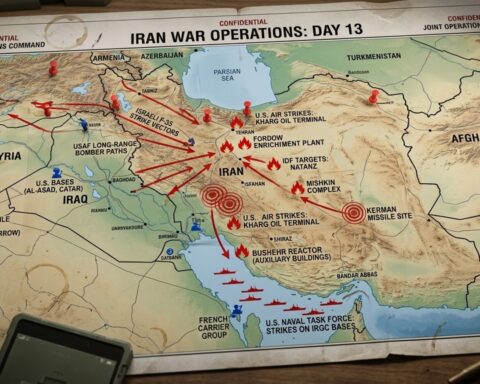
Iran expanded its operations after initial US-Israeli strikes earlier in the conflict. Tehran has since targeted Israeli sites and US military assets across the Gulf.
Security analysts warn that even limited drone activity can disrupt:
- Commercial air traffic
- Port operations
- Energy infrastructure
- Diplomatic missions
Although the volume of drone launches appears to fluctuate.
Officials note that a small number of successful strikes could trigger airspace closures and economic disruption across Gulf Cooperation Council states.
What This Means for the Region
The coordinated nature of Iran drones Gulf attacks signals a deliberate effort to pressure US forces and Gulf allies.
At the same time, regional governments are strengthening air defenses and reviewing evacuation plans.
With civilian casualties now confirmed and diplomatic posts under threat, the risk of broader escalation remains high.