
The Trump Iran surrender demand has escalated tensions between Washington and Tehran.
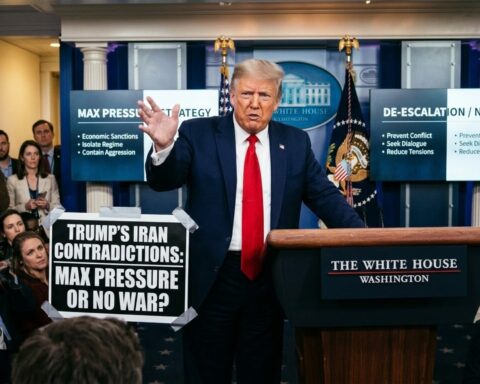
Donald Trump declared that the United States will accept no agreement with Iran unless Tehran agrees to unconditional surrender.
The statement appeared on Trump’s Truth Social platform and signaled a hardened stance from the White House as the regional conflict expands across the Middle East.
Trump argued that only surrender would end the war and allow a new political order to emerge in Iran.
White House stance on Trump Iran surrender
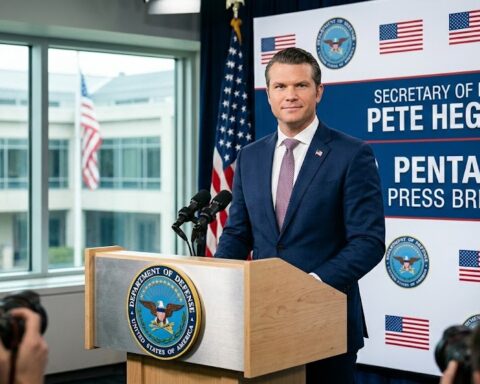
Officials in Washington continue to project confidence as fighting intensifies.
Key points from the administration position include:
- The United States rejects negotiated compromise with Tehran
- Washington insists Iran must accept unconditional surrender
- US officials expect political leadership changes in Iran after the conflict
- The administration plans to work with regional allies after the war
Trump also suggested the United States may influence the selection of Iran’s next leadership following of the death Supreme Leader Ali Khamenei in recent military strikes.
Iran response to Trump Iran surrender demand
Iranian leaders rejected the demand and warned that the country will resist external pressure.
Iranian President Masoud Pezeshkian emphasized that Tehran remains open to mediation but will defend its sovereignty.
Meanwhile, Iran’s foreign minister Abbas Araghchi criticized Washington’s war strategy and warned the United States against further escalation.
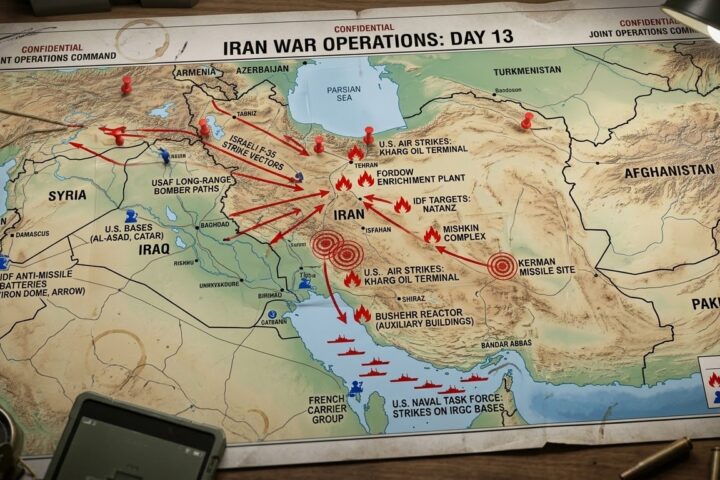
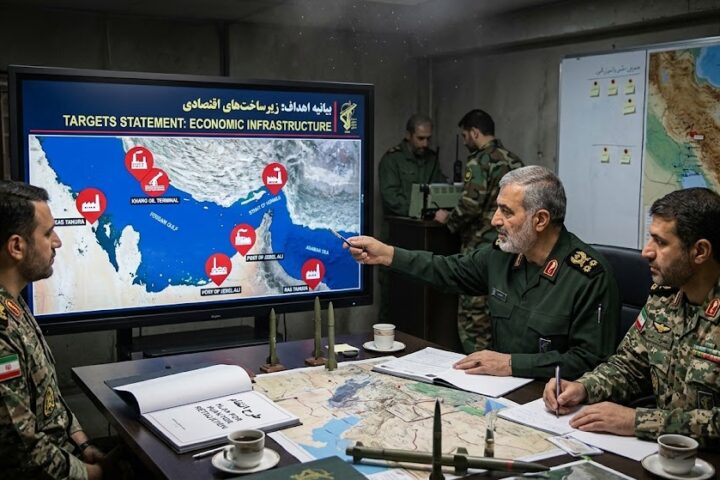
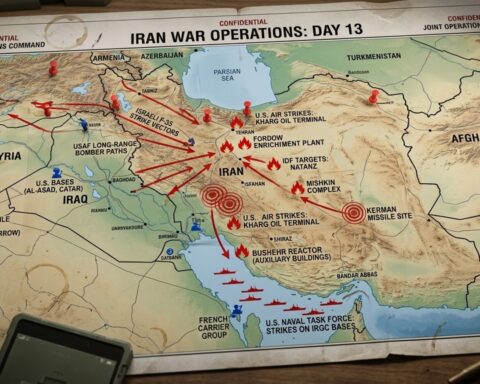
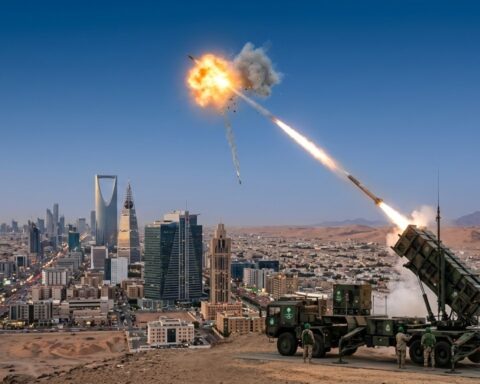
Iranian forces have launched missiles and drones across the region, targeting Israeli and US-linked facilities.
Civilian toll rises across Iran
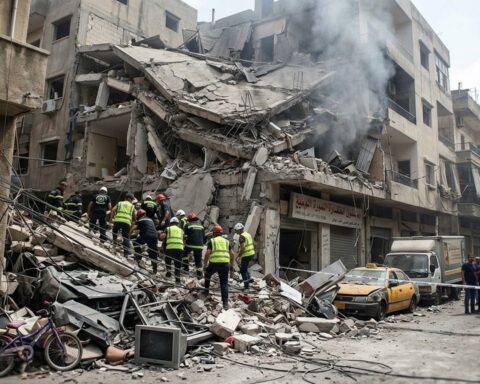
Humanitarian groups warn that the conflict is taking a severe toll on civilians.
Reported impacts include:
- Over 1,300 deaths in Iran, including many children
- Large-scale displacement across multiple cities
- Damage to schools, homes and infrastructure
- Rising humanitarian concerns across the region
The most deadly incident involved a strike on a girls’ school in the southern Iranian city of Minab.
Global energy markets feel impact
The conflict also disrupted energy markets.
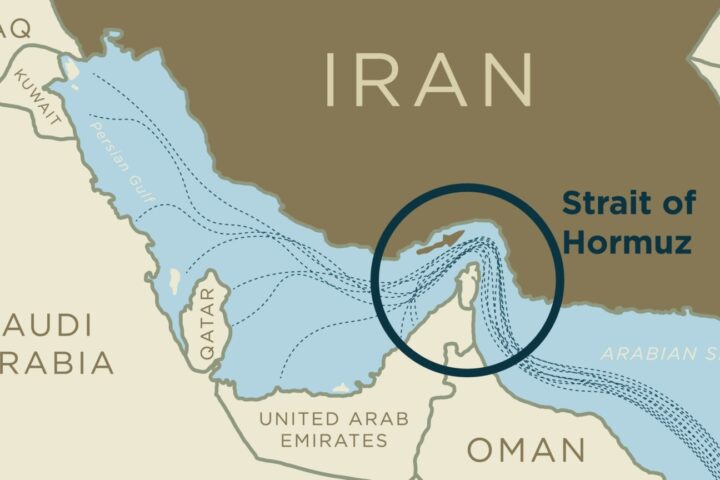
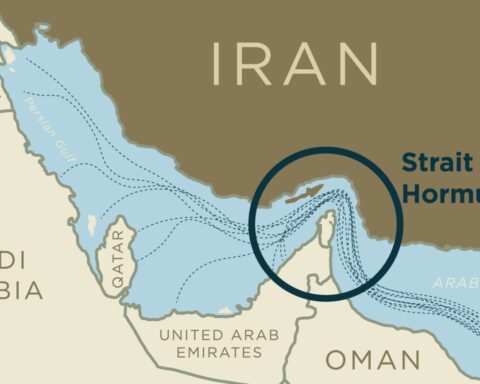
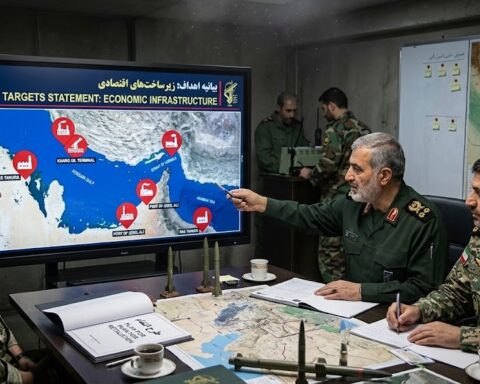
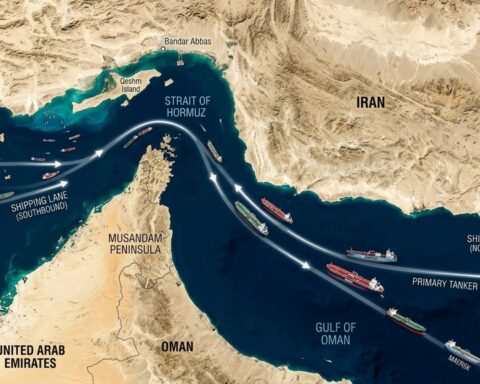
Iranian actions near the Strait of Hormuz strained global oil supplies and pushed prices higher.
Analysts warn that prolonged instability could threaten international shipping and energy exports across the Gulf.