
No quarter Iran rhetoric from the US defense leadership has triggered warnings from legal analysts and human rights groups.
Experts argue that threatening “no quarter” during the war involving Iran, Israel and the United States may violate international humanitarian law.
The No quarter Iran statement emerged as the conflict intensified and civilian casualties continued to rise across the region.
Legal scholars warn that such language could signal disregard for protections required under wartime conventions.
No Quarter Iran Rhetoric and International Law
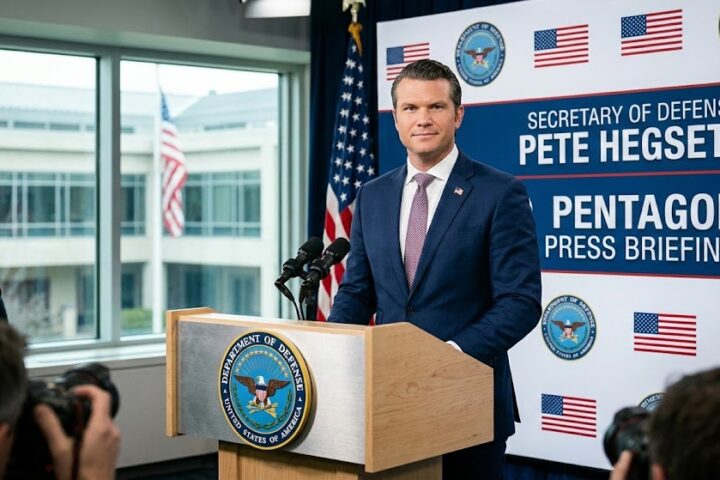
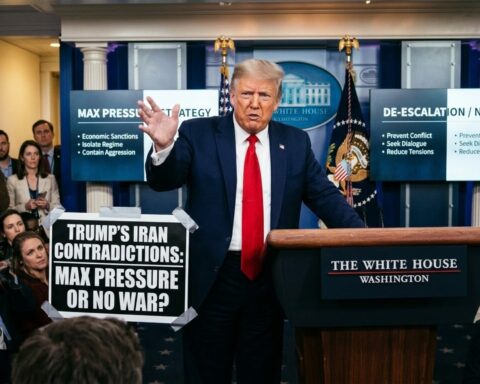
The controversy followed remarks from US Defense Secretary Pete Hegseth during a briefing in Washington, D.C..
The Pentagon chief pledged aggressive military operations against Iran.
Human rights analysts note that the phrase “no quarter” historically signals that surrendering troops would receive no mercy.
International law prohibits such threats.
Legal frameworks cited by experts include:
- The Hague Convention
- The Geneva Conventions
- The US War Crimes Act of 1996
Military legal manuals also warn that declaring “no quarter” may itself constitute a war crime.
No Quarter Iran Debate Among Legal Experts
Several analysts argue that the rhetoric raises serious legal concerns.
Brian Finucane of the International Crisis Group highlighted the risks of using such language during active military operations.
Experts warn that statements from senior officials can influence battlefield conduct.
Human rights organizations also emphasize that rhetoric from military leaders shapes operational culture within armed forces.
No Quarter Iran Comments Follow Civilian Casualty Reports
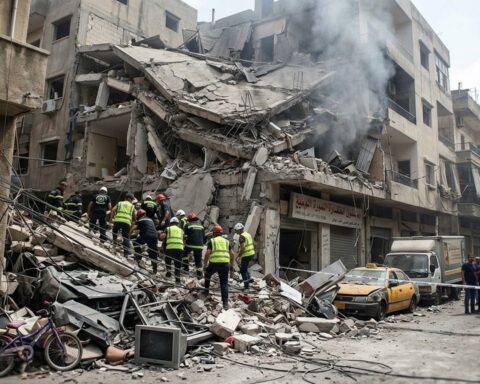
The controversy intensified after reports of civilian casualties during the conflict.
Officials in Iran report significant losses since the war began.
Recent incidents include:
- A strike on a girls’ school in southern Iran
- More than 170 reported fatalities, many of them children
- Total deaths in the conflict exceeding 1,400 people
The war has also displaced millions of civilians across affected regions.
No Quarter Iran Concerns Raised in Washington
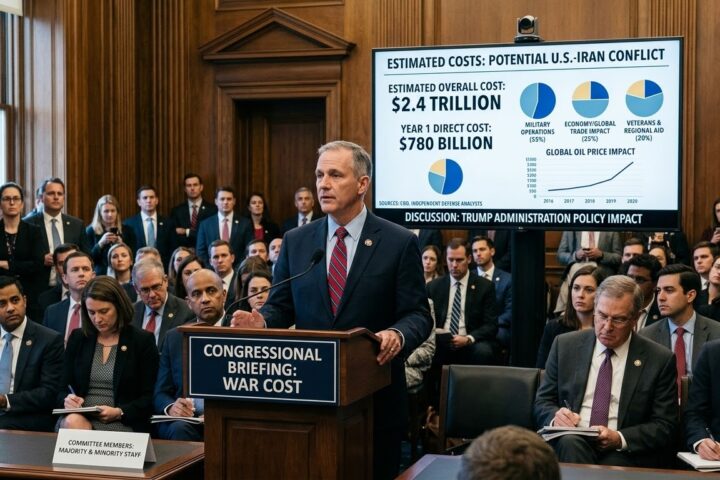
The debate has reached lawmakers in Washington, D.C..
US Senator Jeff Merkley criticized the rhetoric and warned that dismissing wartime legal limits could endanger civilians.
Human rights advocates say that ignoring legal safeguards increases the risk of civilian harm.
Sarah Yager of Human Rights Watch described the language as alarming because military leaders set the tone for operational conduct.
No Quarter Iran War Raises Wider Legal Questions
Legal scholars note that rules restricting wartime conduct date back more than a century.
Historical precedents include prosecutions during the Nuremberg Trials following World War II.
These trials reinforced the principle that soldiers who surrender must receive protection.
Analysts argue that modern conflicts must still follow these standards despite evolving battlefield technologies.