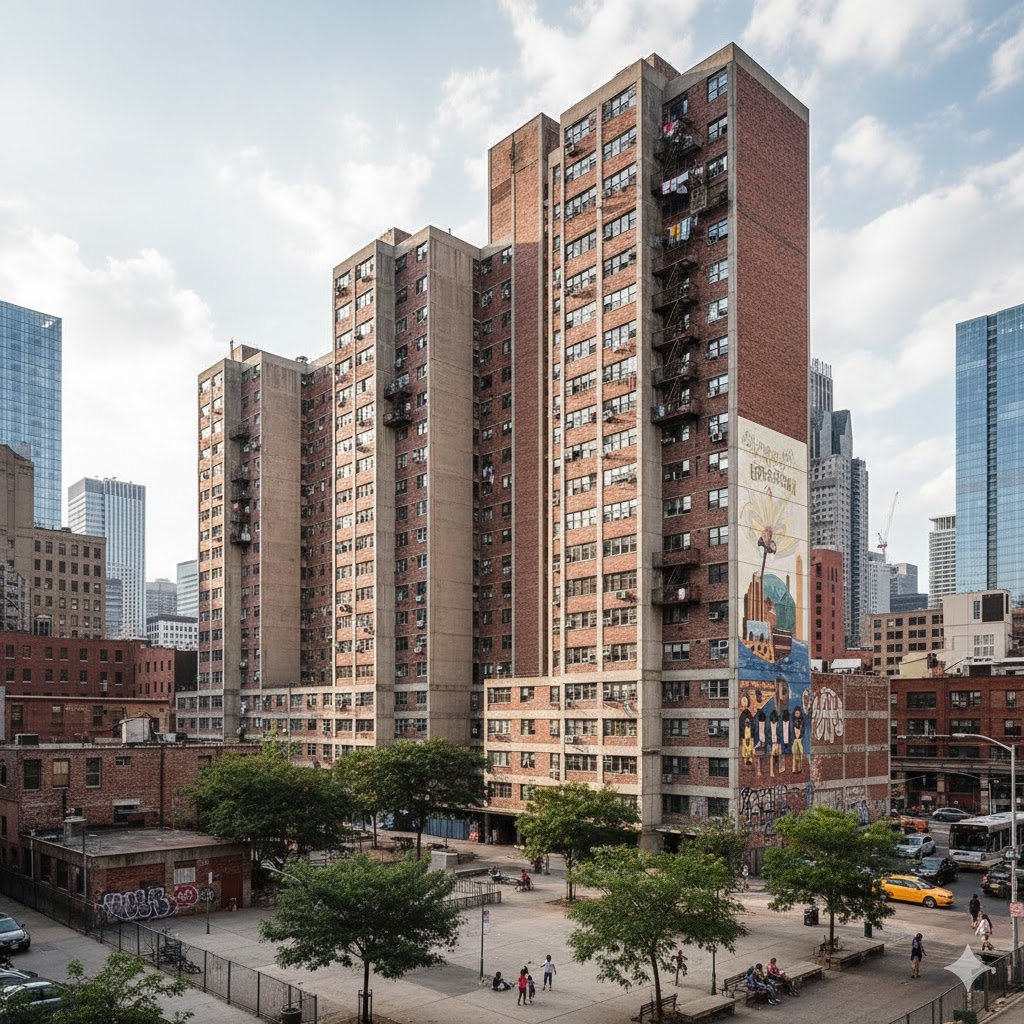
WASHINGTON, D.C. — The proposed HUD rule evicts undocumented immigrants from federally subsidized housing, a policy change that could displace nearly 80,000 people nationwide, including approximately 37,000 U.S. citizen children.
The Department of Housing and Urban Development (HUD) introduced the rule as part of the Trump administration’s broader immigration enforcement strategy.
HUD Secretary Scott Turner defended the measure as a necessary step to ensure federal housing resources serve only eligible residents.
If finalized, the rule would significantly alter longstanding housing policy for mixed-status families.
What the HUD Rule Proposes
The HUD rule evicts undocumented immigrants from federally subsidized housing by implementing two major changes:
- Prohibits any household that includes an undocumented member from living in federally subsidized housing, regardless of other members’ legal eligibility.
- Requires public housing authorities to report ineligible tenants to the U.S. Citizenship and Immigration Services (USCIS).
Under current law, undocumented immigrants do not qualify for federal rental assistance.
However, they may legally reside with family members — often U.S.-born children or lawful residents — who receive aid.
The proposed rule eliminates that allowance.
Secretary Turner argued in a Washington Post opinion column that the policy addresses what he described as misuse of limited public housing resources.
He estimated that approximately 24,000 undocumented individuals currently live in HUD-supported housing alongside eligible relatives.
37,000 U.S. Citizen Children Could Lose Housing
An analysis from the Center on Budget and Policy Priorities projects that the rule could displace nearly 80,000 people.
Of those affected, roughly 37,000 are U.S. citizen children.
Because undocumented household members do not receive housing subsidies, advocates note that mixed-status families often pay prorated rent that offsets assistance costs.
As a result, critics argue the rule may not generate significant financial savings.
Housing and immigrant advocacy groups warn the policy could increase homelessness and housing instability, particularly in cities already facing record housing shortages.
Growing Anxiety in Cities With Active ICE Enforcement
In Los Angeles and other major cities, families living in public housing report heightened concern as Immigration and Customs Enforcement (ICE) operations expand.
Some residents have lived in subsidized housing for decades.
Many households include U.S. citizen children, working parents, and individuals pursuing legal immigration status adjustments.
Community organizations report rising fear among families who depend on federal rental assistance to maintain stable housing while managing medical needs and fluctuating employment conditions.
Supporters Frame Policy as Fairness and Resource Protection
Supporters argue the HUD rule evicts undocumented immigrants from federally subsidized housing in order to prioritize lawful residents who remain on waiting lists.
Currently, only about one in four eligible Americans receives federal rental assistance due to limited funding and high demand.
Howard Husock of the American Enterprise Institute contended that restricting eligibility could improve fairness in allocation.
However, he acknowledged that removing families already under lease agreements presents legal and logistical challenges.
Proponents maintain that the rule aligns housing benefits with immigration law and strengthens enforcement consistency.
Housing Authorities Respond
Local housing authorities emphasized that they already comply with federal eligibility requirements developed over decades of bipartisan policy.
La Shelle Dozier, CEO of the Council of Large Public Housing Authorities, reaffirmed that agencies act as stewards of taxpayer funds while serving vulnerable populations.
She emphasized the need for clear federal guidance before implementation.
Meanwhile, HUD’s announcement drew attention for its aggressive tone. Critics labeled the messaging inflammatory, while supporters described it as transparent and direct.
What Happens Next
The HUD rule remains in the proposal stage. Federal law requires a public comment period before finalization.
If HUD finalizes the rule, housing authorities nationwide would need to adjust eligibility standards and reporting procedures.
Advocacy groups have already indicated they will pursue legal challenges.
As debate intensifies, the proposed HUD rule evicts undocumented immigrants from federally subsidized housing stands at the center of a broader national discussion over immigration enforcement, housing policy, and the rights of mixed-status families.