WASHINGTON, DC — The Trump Iran oil strategy is shaping US military actions as the White House balances pressure on Iran with the need to protect global energy supply.
The approach has become clear in recent strikes that target military assets while avoiding key infrastructure.
The Trump Iran oil strategy focuses on weakening Iran’s military capacity without disrupting oil flows through critical global routes.
Officials view energy stability as essential to the global economy and US interests.
Trump Iran oil strategy targets military and protects oil infrastructure
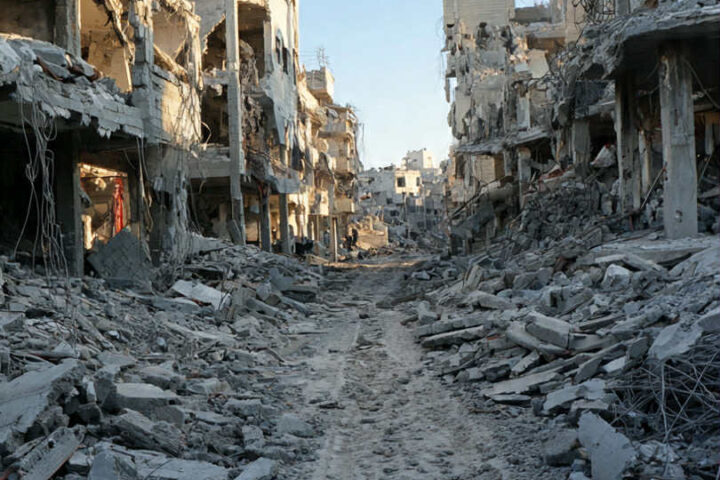
Recent US operations near Kharg Island highlight this approach.
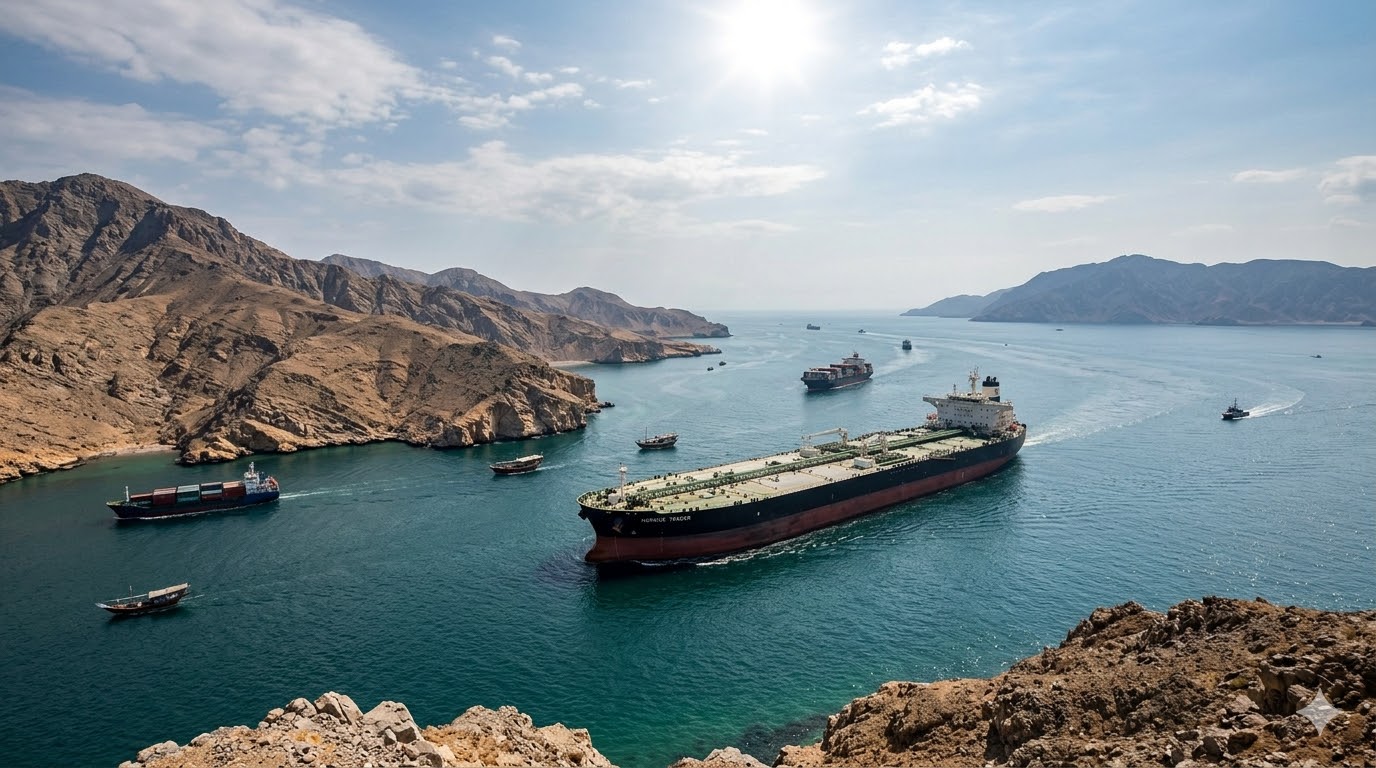
The island handles most of Iran’s crude exports and sits close to the Strait of Hormuz.
Key developments:
- US strikes hit Iranian military positions on Kharg Island
- Oil terminals and export facilities remained intact
- The White House emphasized restraint on energy assets
- Officials warned of stronger action if shipping routes face threats
This calibrated action signals a clear priority: maintain oil movement while applying military pressure.
Strait of Hormuz central to Trumps strategy
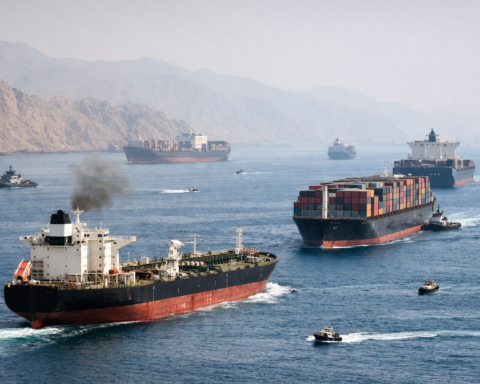
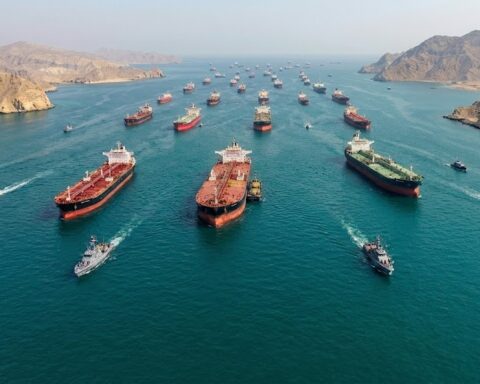
The Trump Iran oil strategy places strong focus on the Strait of Hormuz.
About one-fifth of global oil supply moves through this narrow waterway. Any disruption could trigger:
- Sharp global oil price increases
- Supply shortages across major economies
- Market instability affecting trade and inflation
As a result, US policy aims to:
- Deter Iran from blocking shipping routes
- Protect maritime energy corridors
- Coordinate with allies on naval security
Energy policy shapes White House decisions
The White House continues to frame the conflict around security and deterrence. However, energy considerations remain central.
Since the Carter Doctrine, the US has treated Gulf oil as a strategic priority. The oil strategy reflects that long-standing policy.
Key policy signals include:
- Avoiding strikes on energy infrastructure
- Maintaining stable global oil supply
- Preventing shocks to financial markets
This approach limits escalation while preserving economic stability.
Global oil politics extend beyond Iran
The Trump Iran oil strategy aligns with broader US actions in other regions.
Key patterns:
- In Venezuela, US pressure targets political control linked to vast oil reserves
- In Russia, policy adjustments aim to stabilize crude exports despite tensions
- In Greenland, interest focuses on energy and mineral resources
These moves show a consistent objective: secure access to critical resources and supply chains.
Critical resources expand Trump Iran oil strategy
Beyond oil, US strategy now includes key materials for future energy systems.
Focus areas include:
- Rare earth minerals for technology and defense
- Supply chains for renewable energy systems
- Strategic control over emerging resource hubs
This shift reflects growing competition over energy and industrial inputs.
What the Trump Iran oil strategy means
The conflict with Iran is often framed around nuclear risks and regional power. However, the strategy reveals a deeper priority.
Key takeaways:
- Military action remains selective and calculated
- Oil infrastructure receives protection to avoid global disruption
- Energy flows shape geopolitical decisions
- Economic stability drives conflict management
As tensions continue, oil security remains central to US policy in the Middle East.