Federal Response Grows After Immigration Protests Turn Confrontational
Tensions over U.S. immigration enforcement rose sharply in Minneapolis this week.
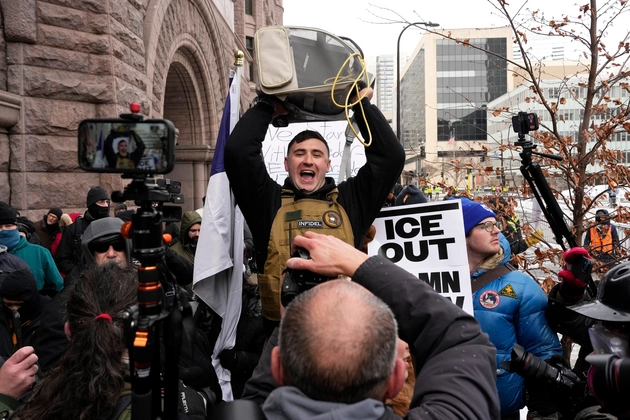
A protest against federal immigration actions turned chaotic after counter-protesters forced far-right influencer Jake Lang and his supporters to leave the area. Video and eyewitness reports showed demonstrators surrounding the rally site and pushing the group out of downtown Minneapolis.
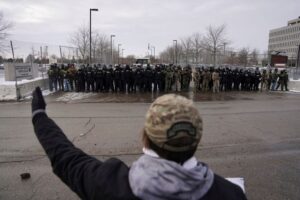
As protests grew, the Pentagon placed 1,500 active-duty U.S. troops on standby for possible deployment to Minnesota. Defense officials said the troops would be used only if unrest worsens and local authorities request help.
At the same time, the Federal Bureau of Investigation asked agents across the country to voluntarily travel to Minneapolis for temporary support. Officials did not detail their assignments, but the request signals rising federal concern.
The unrest centers on anger over aggressive immigration enforcement and a recent fatal shooting involving a federal immigration agent, which has sparked repeated demonstrations in the city.
Why Minneapolis Has Become a National Flashpoint
The situation in Minneapolis highlights a growing national divide over immigration policy and how far the federal government should go to enforce it.
Placing active-duty troops on alert for a domestic situation is rare. It raises legal and civil liberty questions, especially around the use of military force inside U.S. cities. Even without deployment, the move sends a strong message about federal readiness to intervene.
The FBI’s nationwide call for agents adds another layer. It suggests federal leaders view the unrest as more than a local protest issue. Critics worry this could chill lawful demonstrations. Supporters argue it is necessary to prevent violence and protect federal personnel.
Local leaders now face pressure from both sides. Protesters demand limits on immigration enforcement. Federal officials say they must uphold federal law. Minneapolis has become a flashpoint in a broader U.S. debate playing out across cities.
What This Moment Signals for U.S. Cities Moving Forward
Minneapolis shows how immigration enforcement disputes can quickly pull in military and federal law enforcement power, turning local protests into a national test of federal authority and civil liberties.