Trump disaster aid release will unlock more than $5 billion in delayed federal recovery funding.
However, several Democratic-led states will not receive money in this round, according to officials familiar with the plan.
The funds move through the Federal Emergency Management Agency under the Department of Homeland Security.
The decision arrives as Congress debates DHS funding and oversight.
Why Trump disaster aid release excludes some states
The administration is clearing part of a backlog exceeding $14 billion in disaster and COVID-related recovery aid.
However, California, Illinois, Minnesota and Colorado are not included in the latest distribution.
Officials indicate the agency is prioritizing:
- Project readiness
- Oversight compliance
- Administrative clearance requirements
Under a rule implemented by Homeland Security Secretary Kristi Noem, FEMA spending over $100,000 requires her direct approval.
That policy slowed approvals and created a funding bottleneck.
The excluded states had public policy disputes with President Donald Trump over immigration enforcement and National Guard deployments.
DHS rejects claims of political motivation and maintains that funding decisions rely on merit and accountability standards.
States still waiting on major disaster funding
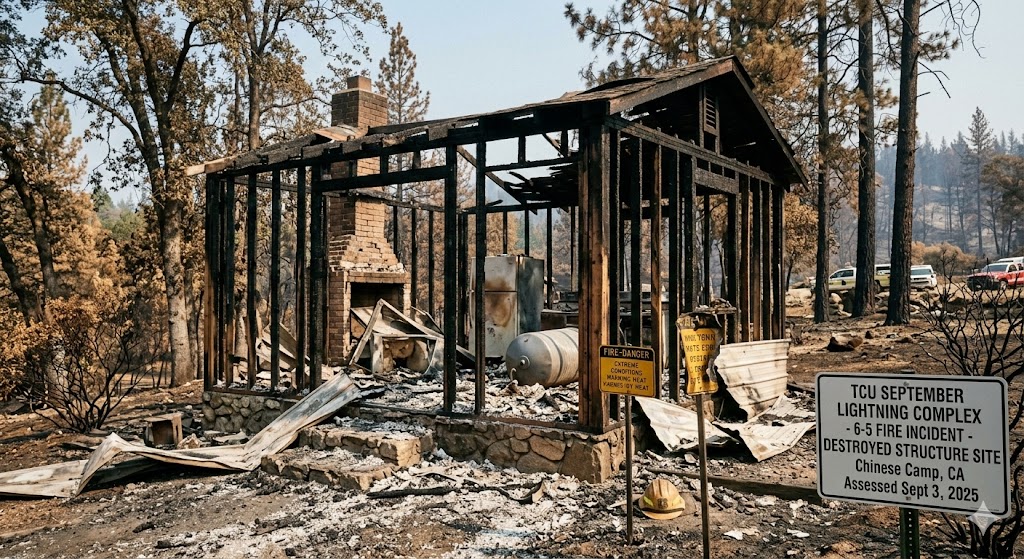
California alone awaits more than $1 billion for wildfire recovery, including:
- Debris removal
- Power restoration
- Infrastructure rebuilding
Minnesota and Colorado seek reimbursement for storm recovery costs. Illinois also faces delayed allocations tied to disaster mitigation and COVID-era programs.
Some funds in this release will go to New York and North Carolina.
Congressional reaction intensifies

Lawmakers from both parties are pressing for clarity.
Sen. Alex Padilla criticized the exclusion of California funds. Meanwhile, Sen. Patty Murray raised concerns about FEMA management delays.
During a House Appropriations hearing, Rep. Rosa DeLauro questioned FEMA officials about the backlog, arguing that communities cannot begin recovery without federal reimbursement.
The Disaster Relief Fund operates separately from DHS shutdown funding.
However, officials confirm the $5 billion release will nearly deplete available reserves, increasing pressure on Congress to replenish the fund.
Political and fiscal implications
White House officials face growing frustration from governors and lawmakers as recovery projects stall.
Some administration advisers privately warn the situation could become a political liability, especially in disaster-prone states that rely heavily on FEMA assistance.
At the same time, the administration continues to release aid to states such as Georgia and Tennessee while negotiations over DHS funding remain deadlocked in Congress.
The broader backlog remains in the billions, leaving uncertainty over future disaster response capacity.