A Federal Operation Takes Hold
Minneapolis has become the center of an aggressive federal immigration push.
In December, the Department of Homeland Security said it launched what it called the largest immigration enforcement operation ever carried out. Federal agents moved into the Minneapolis–St. Paul metro area in large numbers.
Nearly two months later, the operation remains active. Tensions between federal authorities and local communities continue to rise.
City leaders say the presence has disrupted daily life. Residents say it has created fear and uncertainty across neighborhoods.
Operation Metro Surge Expands Statewide
Federal officials said about 2,000 agents were sent to the Twin Cities as part of Operation Metro Surge. The mission later expanded to cover all of Minnesota.
Authorities have not given a timeline for when agents will leave.
When asked if federal officers would withdraw after meeting arrest targets, Border Patrol Commander Greg Bovino said the mission would continue until there are no more “criminal illegal aliens roaming the streets of Minneapolis.”
That statement fueled protests and legal challenges from state and city officials.
Protests and Civil Rights Questions Grow
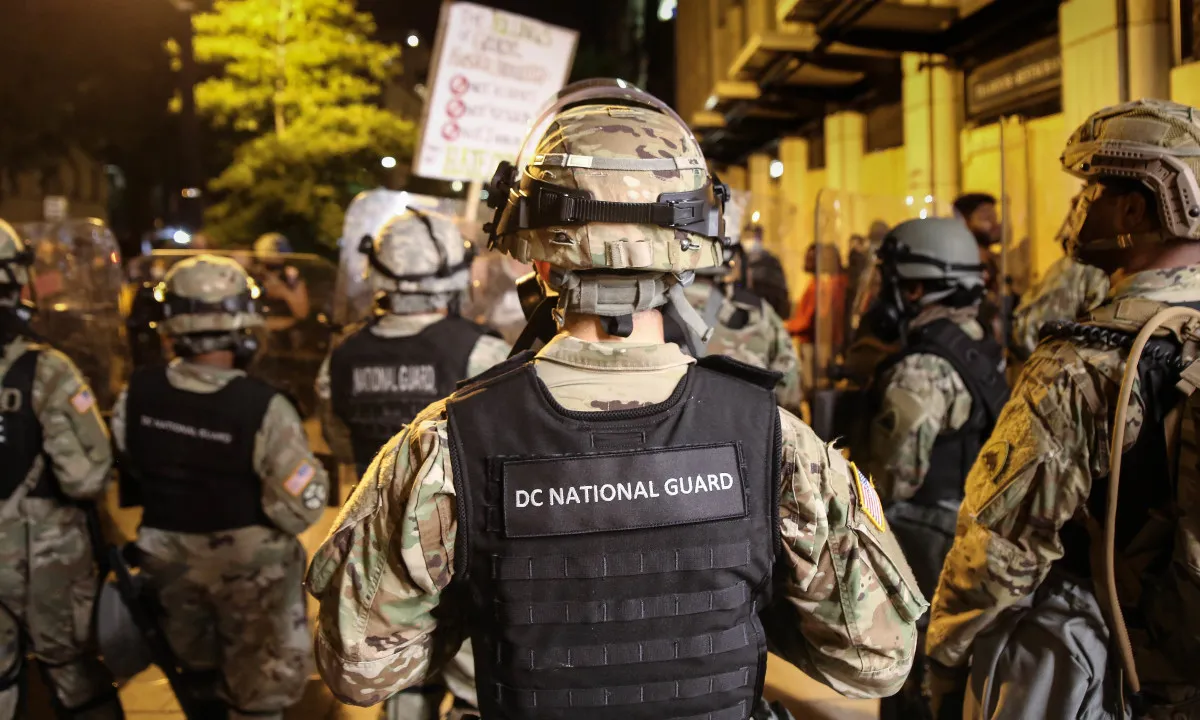
The enforcement surge has sparked mass demonstrations across Minneapolis.
Community groups and civil rights advocates question the scope of federal authority. They also raise concerns about constitutional protections.
Some American citizens report being stopped or detained. In several cases, individuals say officers questioned them based on appearance or accents.
Local officials say the operation is straining public resources and damaging trust between residents and law enforcement.
A Fatal Shooting Brings National Attention
The situation escalated sharply on Jan. 7.
That day, Renee Good, a 37-year-old U.S. citizen and mother of three, was fatally shot by an ICE agent while sitting in her vehicle in a residential Minneapolis neighborhood.
An independent autopsy commissioned by her family found she was hit by three bullets and grazed by a fourth. The fatal shot struck her head. Two other wounds were not immediately life-threatening, according to the family’s attorneys.
Federal officials said the agent acted in self-defense.
Minneapolis Mayor Jacob Frey disputed that account after reviewing video footage. He said claims that Good used her vehicle as a weapon were false and called for ICE to leave the city.
Good’s death became a turning point, triggering larger protests and renewed scrutiny of the operation.
A City Braces for What Comes Next
Federal authorities say the enforcement effort will continue.
Local leaders warn the standoff is deepening. Community groups say trust has been severely damaged.
With no end date announced, Minneapolis remains on edge as federal immigration enforcement continues to shape life across the city.