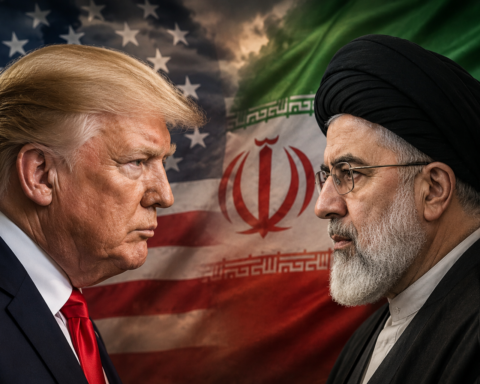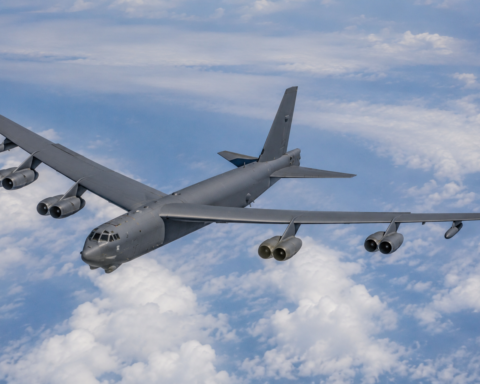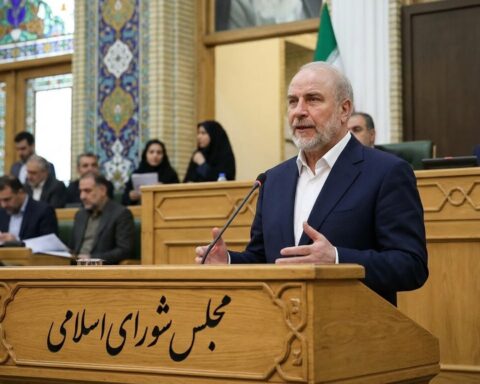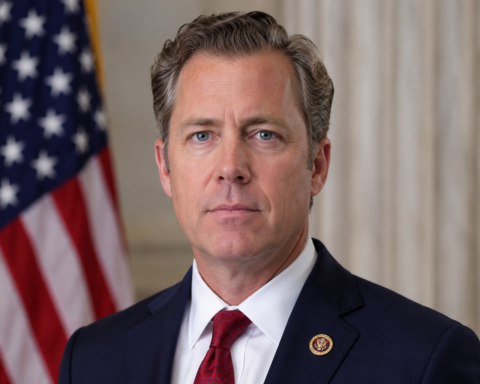

WASHINGTON, D.C. — US military planning for strikes on Iran could target individual leaders, according to two U.S. officials familiar with advanced contingency preparations.
The plans outline options that President Donald Trump could authorize if diplomatic efforts with Tehran collapse.
The officials indicate that US military planning for strikes on Iran could target individual leaders involved in command and control operations. Also, including potential strikes on security and nuclear infrastructure.
The White House has not publicly confirmed any decision, and President Trump has not issued an order authorizing military action.
Advanced Military Options Under Review
Officials describe the planning as detailed and multi-layered. The options reportedly include:
- Precision strikes on Iranian military commanders
- Targeting security and intelligence facilities
- Attacks on nuclear-related infrastructure
- Broader contingency planning for regime destabilization
The planning signals preparation for escalation should negotiations fail.
Targeting Individuals: Strategic Shift Under Consideration
US military planning for strikes on Iran could target individual leaders in a manner similar to previous Israeli operations against Iranian commanders.
One official referenced Israel’s 12-day conflict with Iran last year, during which targeted strikes reportedly killed senior commanders, including Major General Mohammad Bagheri.
However, targeting specific individuals requires:
- High-level intelligence surveillance
- Precise real-time location tracking
- Careful assessment of potential collateral damage
Officials caution that such operations demand significant intelligence resources and legal review.
Regime Change Discussion Adds Complexity
Some planning scenarios include broader strategic objectives, including possible regime destabilization in Tehran.
If implemented, such action would represent a departure from President Trump’s earlier campaign rhetoric criticizing prolonged military interventions in Afghanistan and Iraq.
However, officials emphasize that no final decision has been made. Military planning does not guarantee execution.
Intelligence and Operational Challenges
Officials acknowledge uncertainty regarding available intelligence on high-level Iranian figures.
Key operational concerns include:
- Verification of target identity
- Civilian protection protocols
- Regional escalation risks
- Congressional oversight and War Powers considerations
The Pentagon and National Security Council are yet to release formal statements.
Diplomatic Efforts Continue
While military options advance, diplomatic channels remain active.
The administration has not declared an end to negotiations. However, public remarks from President Trump in recent days have included stronger language toward Tehran.
As tensions increase, US military planning for strikes on Iran could target individual leaders remains one of several scenarios under consideration.
What This Means for Congress and the Region
Any military strike would raise constitutional and congressional oversight questions.
Congress retains authority over declarations of war. Additionally, regional allies would face direct security implications.
The situation remains fluid. Officials indicate that the final decision rests with President Trump.