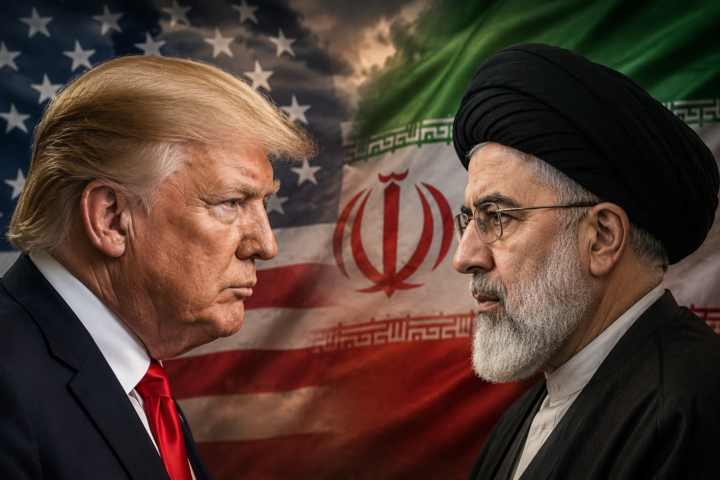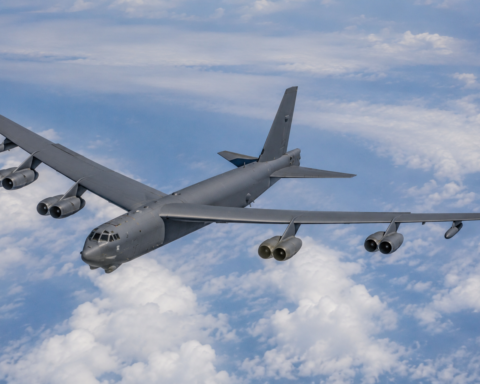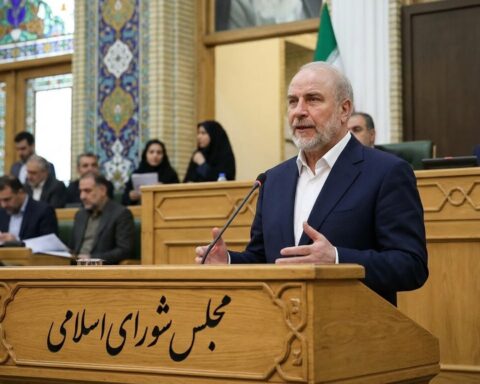
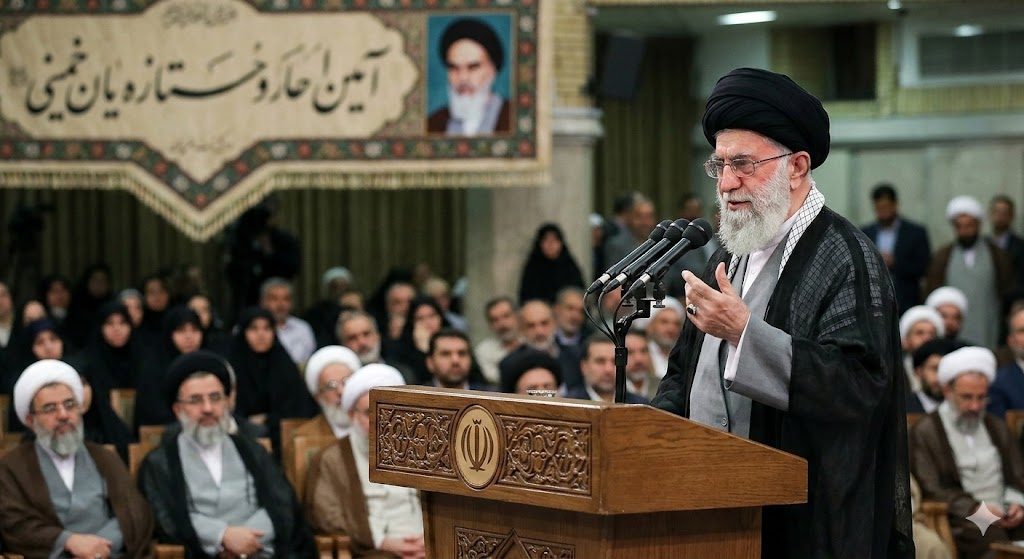
The US Israel attack Iran operation killed Iran’s Supreme Leader Ayatollah Ali Khamenei and triggered a fast-moving regional conflict.
The joint strikes targeted leadership compounds and nuclear facilities in Tehran and other cities. In response, Iran launched retaliatory attacks on US military bases and regional targets across the Middle East.
The White House confirmed the operation. Israeli officials also verified coordinated military action. Meanwhile, Tehran vowed revenge as explosions spread across multiple countries.
Why the US Launched the Attack on Iran
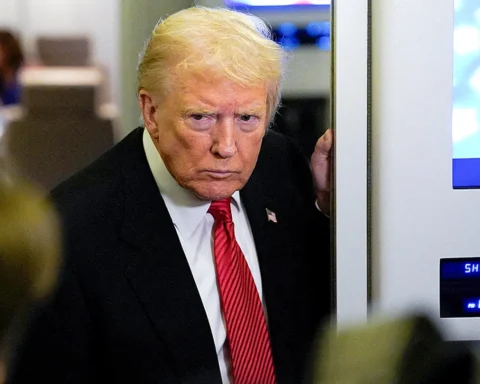
President Donald Trump ordered US forces to strike Iran, citing national security threats. In a televised statement from the White House, he described the operation as necessary to neutralize imminent dangers.
According to US officials, the objectives included:
- Disrupting Iran’s nuclear program
- Deterring ballistic missile development
- Weakening the Iranian Revolutionary Guard Corps (IRGC)
- Responding to decades of hostility toward the United States
The Defense Intelligence Agency (DIA) previously assessed that Iran could develop an intercontinental ballistic missile by 2035 if it chose to pursue that capability.
At the same time, US envoys had engaged Tehran in nuclear negotiations.
However, despite recent diplomatic contacts, Washington proceeded with military action. US Central Command reported no American combat casualties during the initial strikes.
Why Israel Joined the US Israel Attack on Iran
Prime Minister Benjamin Netanyahu has long identified Iran as Israel’s primary security threat.
Israeli officials argue that Tehran’s nuclear ambitions and support for armed groups pose an existential risk.
Israel resumed strikes after:
- Months of regional tension
- Ongoing conflict with Iran-backed groups
- Intelligence assessments regarding nuclear activity
Israeli military officials also linked the escalation to the October 7, 2023 Hamas attack. They described the new campaign as part of a broader effort to confront Iranian-backed networks.
Israel confirmed that several senior Iranian military commanders were killed in the initial wave.
What Was Hit in Tehran and Across Iran
The first phase of the US Israel attack Iran operation focused on leadership and military infrastructure.
Targets included:
- A secured compound in Tehran’s Pasteur district linked to Ayatollah Khamenei
- Military command centers
- Nuclear-related facilities
- Missile production and storage sites
Iranian state media reported significant civilian casualties in several cities, including Minab. Independent monitoring groups also reported civilian deaths and injuries, though figures vary.
On Sunday, Israeli aircraft continued strikes in Tehran. Video footage showed explosions near major landmarks, including Azadi Tower.
How Iran Retaliated After the US Israel Attack on Iran
Iran responded with coordinated missile and drone strikes across the Middle East. President Masoud Pezeshkian declared retaliation a legitimate response.
Iranian forces targeted:
- US military bases in Bahrain and the United Arab Emirates
- Strategic sites in Qatar and Kuwait
- Infrastructure in Saudi Arabia
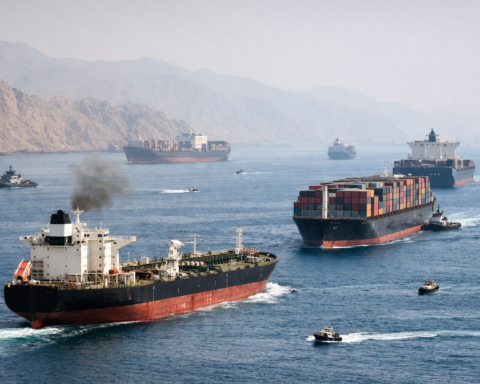
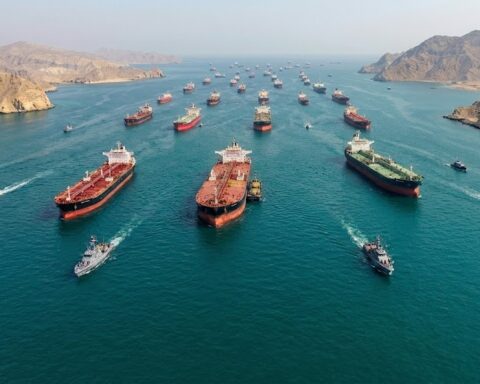
- Air and maritime hubs near the Strait of Hormuz
Explosions were reported in Manama, Abu Dhabi, Dubai, and other regional cities. The strikes disrupted oil shipments and commercial air travel.
US Central Command stated that damage to American installations remained limited.
Are the US and Israel Seeking Regime Change in Iran?
Both President Trump and Prime Minister Netanyahu expressed support for political change in Tehran.
Trump urged Iranians to pursue freedom. Netanyahu encouraged citizens to challenge what he described as authoritarian rule.
However, US officials have not formally announced a ground operation. The strikes have remained aerial and missile-based.
Meanwhile, Iran activated its constitutional succession process.
Who Is Leading Iran Now?
Following the death of Ayatollah Khamenei, Iran formed a provisional leadership council.
The council includes:
- President Masoud Pezeshkian
- Judiciary chief Gholam-Hossein Mohseni-Eje’i
- Senior cleric Ayatollah Alireza Arafi
Under Iran’s constitution, the Assembly of Experts will select the next supreme leader.
Pro-regime gatherings took place in Tehran. At the same time, small groups in other cities publicly celebrated the leadership change.
What Happens Next in the US Israel Attack Iran Conflict
US officials indicate that operations may continue for several days. Military planners are preparing for additional contingencies.
Regional governments are assessing security measures. Gulf states have called for restraint while reinforcing defensive systems.
As tensions escalate, the conflict risks expanding beyond Iran and Israel. Oil markets, shipping lanes, and diplomatic channels remain under pressure.
The situation continues to evolve.