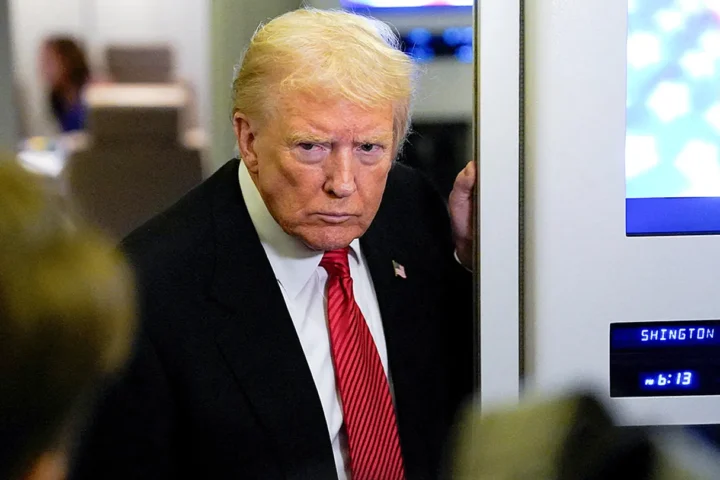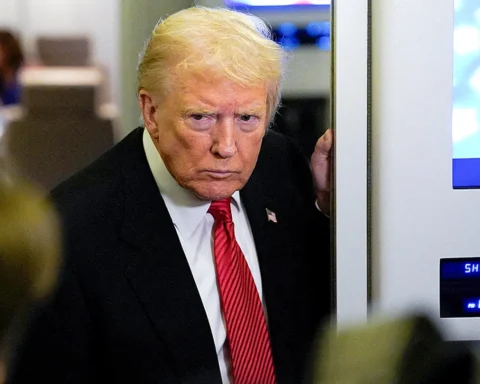

US forces Middle East Iran war escalation continues, with Defense Secretary Pete Hegseth confirming new troop deployments during a Pentagon briefing on Wednesday. Hegseth said the US-Israel campaign against Iran is “just getting started,” with additional bombers and fighter jets arriving today.
He added the military would employ a “nearly unlimited” supply of bombs to maintain continuous operations. US forces’ Middle East Iran war expansion is accelerating, Defense Secretary Pete Hegseth announced at the Pentagon.
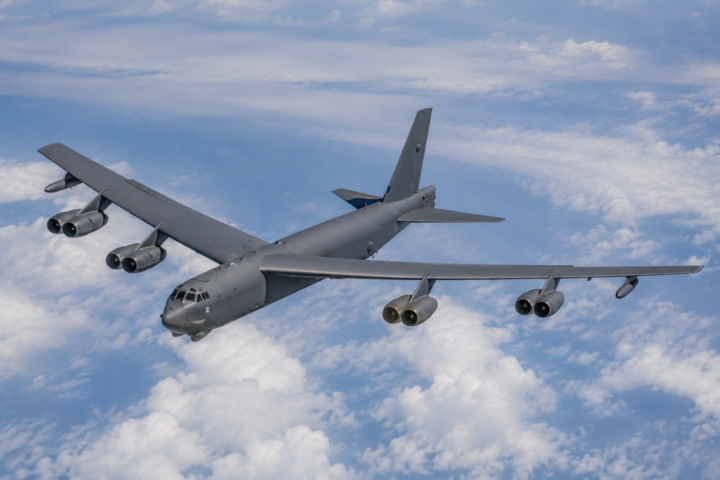
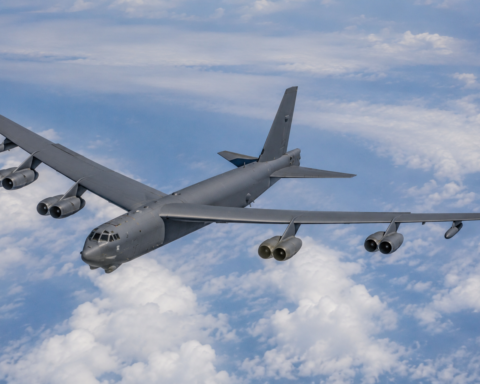
The United States is deploying additional bombers and fighter aircraft as the conflict with Iran intensifies. Hegseth stated the campaign is expanding rather than slowing, signaling deeper US military involvement across the region.
US Forces Middle East Iran War Deployment Expands
Hegseth confirmed:
- Additional strategic bombers arrived in the region.
- More fighter jets deployed Wednesday.
- The US military prepared extensive munitions supplies.
He emphasized sustained aerial operations as part of the broader US-Israel campaign.
The White House has not indicated a timeline for de-escalation. Meanwhile, members of the United States Congress are monitoring the growing conflict.
Civilian Toll Rises in Iran
Iranian media report at least 1,045 civilian deaths since the strikes began. Humanitarian organizations warn that the US forces Middle East Iran war escalation has severe effects on noncombatants.
The Norwegian Refugee Council urged all parties to:
- Protect civilians and critical infrastructure
- Respect international humanitarian law
- Allow unhindered humanitarian access
Analysts warn the ongoing air campaign could worsen displacement and damage regional infrastructure.
Regional Impact and Retaliation
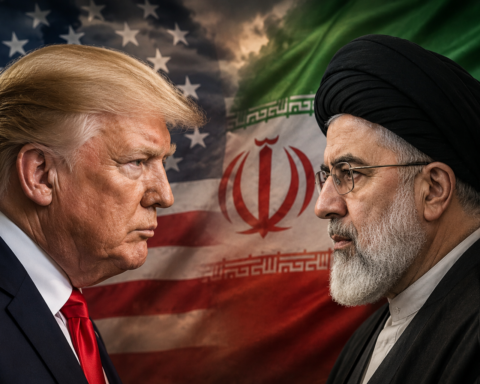
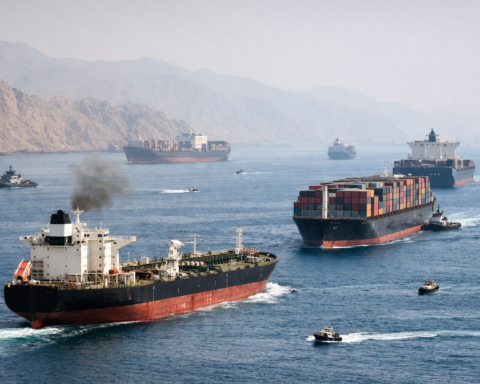
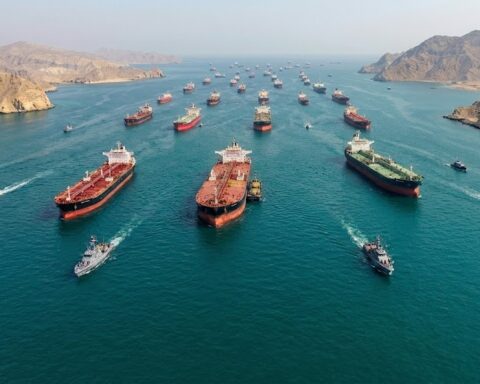
Iran has responded with missiles and drone strikes, killing at least six US service members and several Israeli citizens. Key energy infrastructure in the Gulf is being targeted, raising concerns about global oil and gas supply disruption.
Experts warn that continued escalation by US forces and Iran could further destabilize the Middle East. Security analysts are closely watching troop movements, airspace control, and potential threats to US installations in the region.