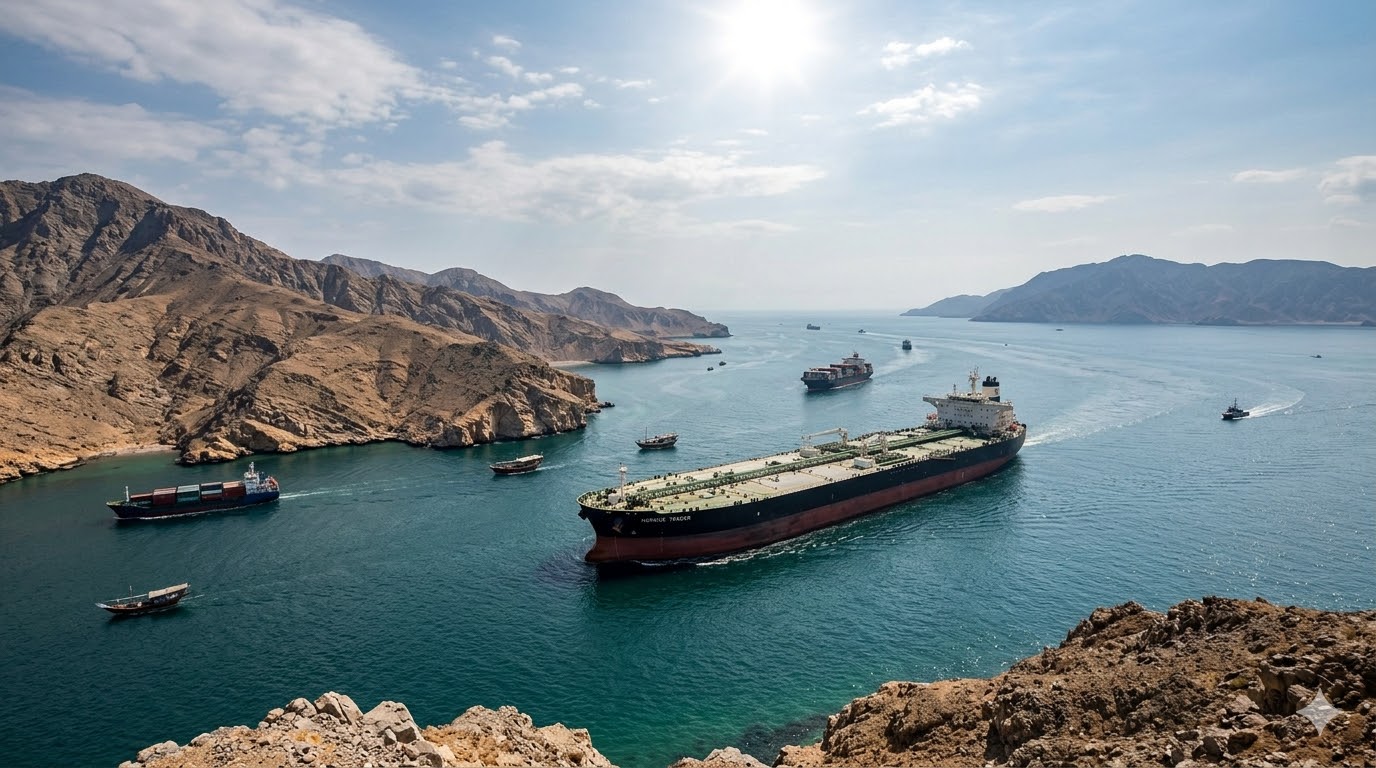
The Hormuz shipping passage has become a major issue during the ongoing conflict between the United States and Iran.
Tehran has restricted access to the Strait of Hormuz, but officials confirmed that some foreign vessels still received permission to cross the vital route.
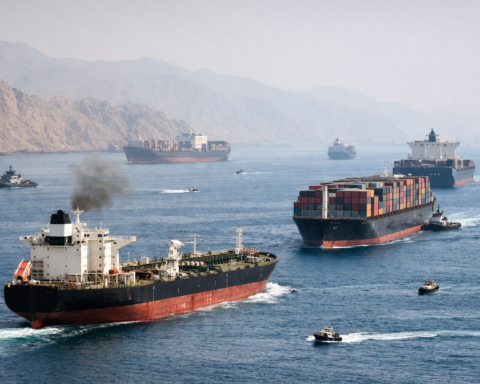
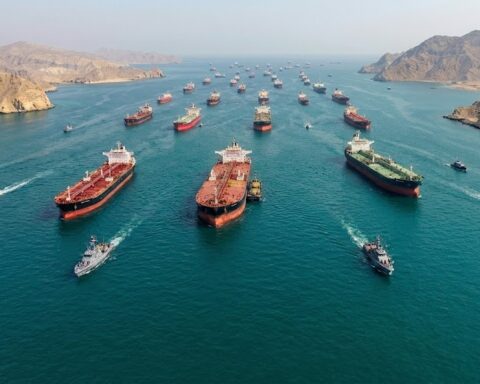
The Hormuz shipping passage is one of the most critical energy corridors in the world. Nearly 20 percent of global oil shipments travel through the narrow waterway connecting the Persian Gulf to international markets.
As tensions escalate, energy markets and shipping companies continue to monitor the Hormuz shipping passage closely.
Why the Hormuz shipping passage is critical to global trade
The Strait of Hormuz lies between Iran and Oman and serves as the main export route for oil producers in the Gulf region.
Key facts about the shipping passage include:
- About one-fifth of global oil exports move through the corridor
- Gulf energy producers depend on the route to reach Asia and Europe
- Shipping disruptions quickly impact global oil prices
Since the conflict began, oil prices have surged more than 40 percent, pushing Brent crude above $100 per barrel.
Countries whose ships received Hormuz shipping passage
Iran has allowed some vessels from specific countries to cross the strait despite broader restrictions.
Pakistan
A Pakistani-flagged Aframax tanker successfully exited the Gulf through the strait after receiving Iranian clearance.
The vessel crossed the Hormuz shipping passage without incident.
India
Iran also allowed several ships from India to pass through the route.
Indian officials confirmed:
- Two LPG tankers crossed the strait safely
- The vessels were heading to western Indian ports
- The transit occurred under Iranian monitoring
Turkiye
Authorities in Turkiye confirmed that Iran granted passage to one Turkish-owned vessel.
Officials reported:
- Fifteen Turkish vessels had been waiting near Iranian waters
- Tehran approved passage for one ship that had previously used an Iranian port
China seeks talks to secure Hormuz shipping passage
Diplomatic sources report that China is negotiating with Tehran to secure safe passage for its energy shipments.
China relies heavily on the route.
Nearly 45 percent of Chinese oil imports pass through the Hormuz shipping passage, making the corridor essential for its economy.
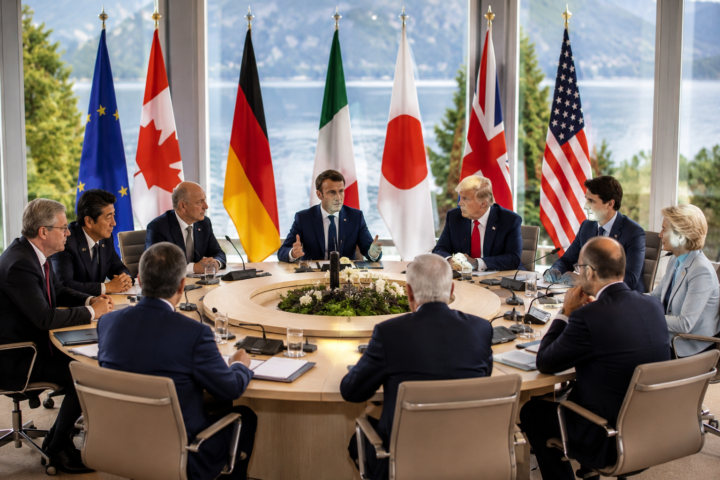
European countries request negotiations
European governments have also sought discussions with Iran regarding maritime access.
Officials confirmed that:
- France requested talks about shipping safety
- Italy made similar diplomatic inquiries
However, European leaders remain cautious about deeper involvement in the conflict.
US proposes naval coalition to secure the Strait of Hormuz
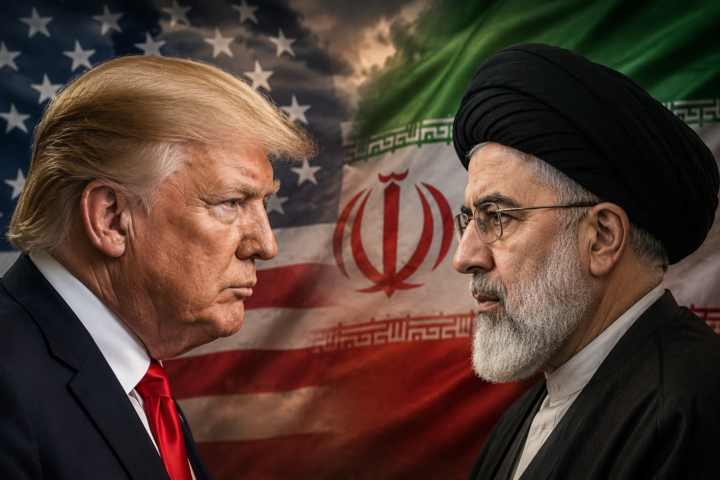
Meanwhile, Donald Trump, president of the United States, called for an international naval coalition to protect maritime traffic in the region.
The proposal urged several nations to send warships to ensure that shipping routes remain open.
However, some European governments have ruled out direct military involvement.
Security analysts warn that building an international fleet could take months.