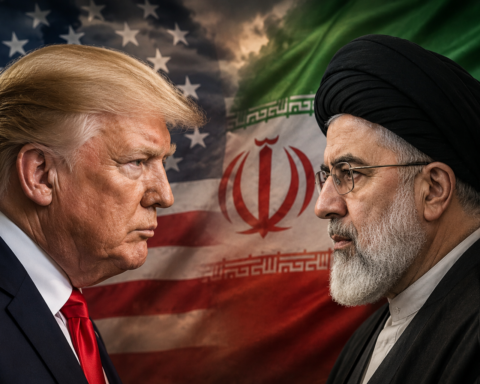
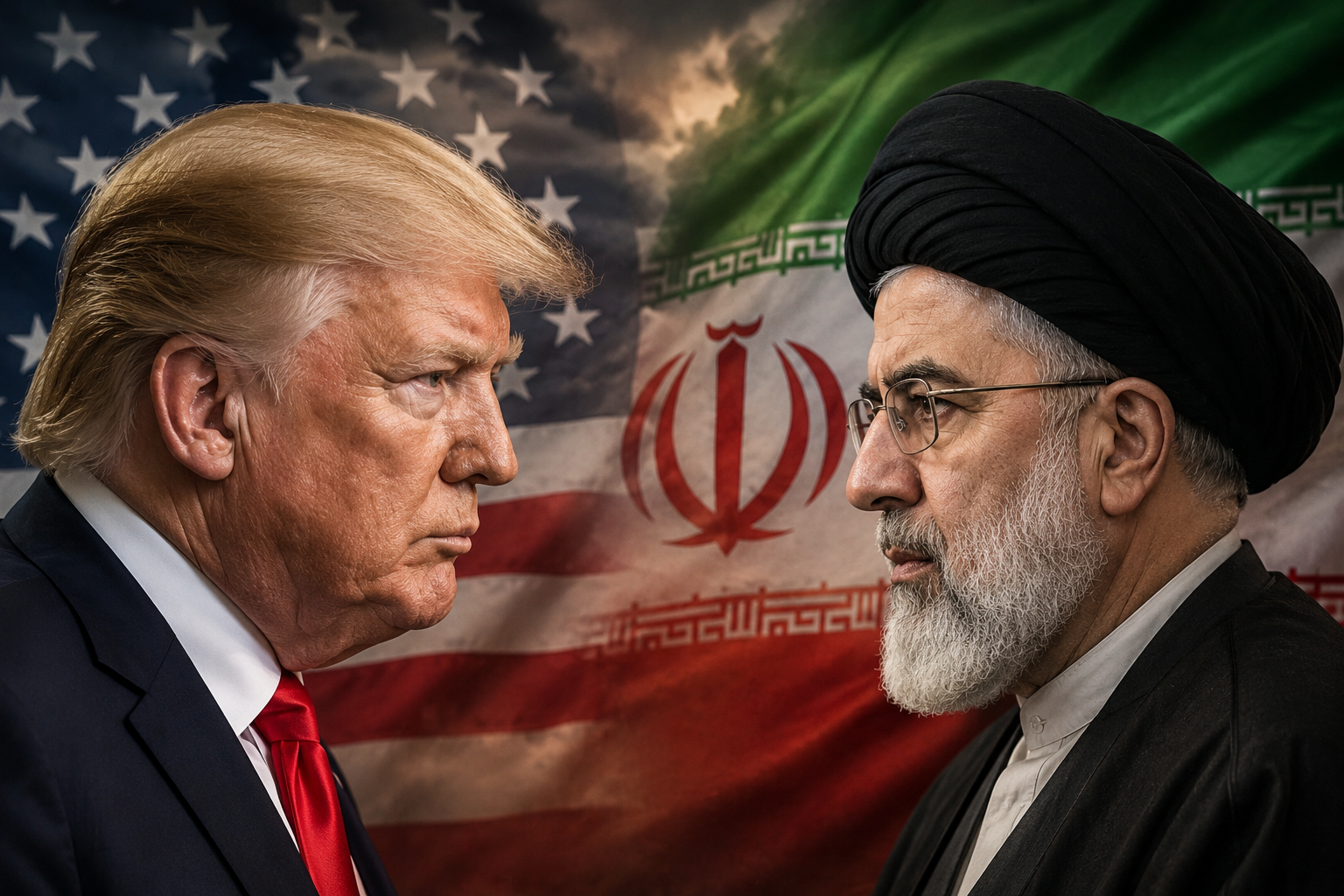
The Trump Iran Deal offers the clearest picture yet of how Washington and Tehran plan to move beyond months of conflict and negotiations.
The Trump Iran Deal covers major issues including Lebanon, the Strait of Hormuz, Iran’s enriched uranium stockpile, sanctions relief and economic reconstruction.
However, several important questions remain unanswered as both sides prepare for further negotiations.
What Does the Trump Iran Deal Say About Lebanon?
Lebanon remains one of the most sensitive issues in the agreement.
The first clause calls for the immediate and permanent end of military operations across all fronts, including Lebanon.
The memorandum also commits both sides to respecting Lebanon’s sovereignty and territorial integrity.
However, the agreement leaves several issues unresolved:
- Israel is not a signatory to the deal.
- Hezbollah is not part of the agreement.
- The document does not explain how a ceasefire would be enforced.
- Iranian support for regional armed groups is not addressed.
The omission has raised questions about how peace efforts in Lebanon would work in practice.
Why Lebanon Became a Negotiation Sticking Point
Iran repeatedly pushed for an end to Israeli military operations in Lebanon during negotiations.
Before direct talks with the United States began, Iranian officials identified two key demands:
- A ceasefire in Lebanon.
- Access to frozen Iranian assets abroad.
Although temporary ceasefires emerged during the conflict, military operations continued in several areas.
Trump Iran Deal Signals Shift on Regime Change
The second section of the agreement focuses on sovereignty.
Under the memorandum, both countries agree to:
- Respect each other’s territorial integrity.
- Avoid interference in domestic affairs.
- Maintain political independence.
This language suggests Washington is stepping away from any formal policy aimed at regime change in Tehran.
The agreement instead emphasizes diplomatic engagement and long-term stability.
Trump Iran Deal Plans Changes for the Strait of Hormuz
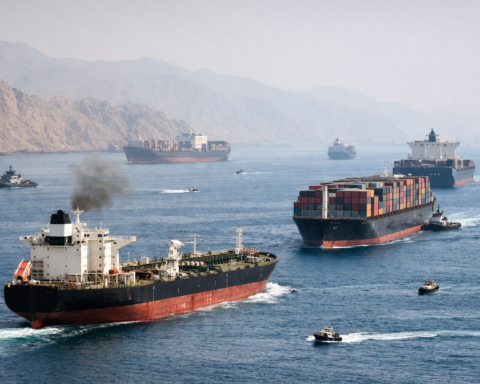
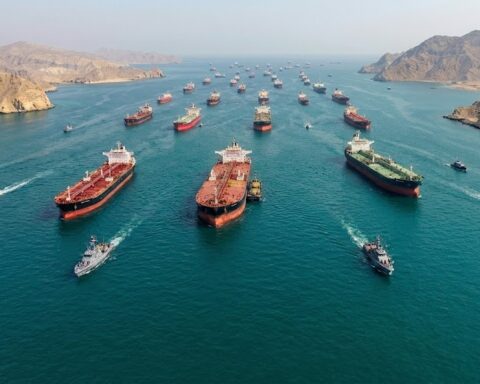
The future of the Strait of Hormuz forms a major part of the agreement.
The document states that:
- The United States will begin removing its naval blockade.
- The blockade will end within 30 days.
- US forces will withdraw after a final agreement is completed.
- Iran will facilitate safe commercial shipping for an initial 60-day period.
Why Hormuz Matters
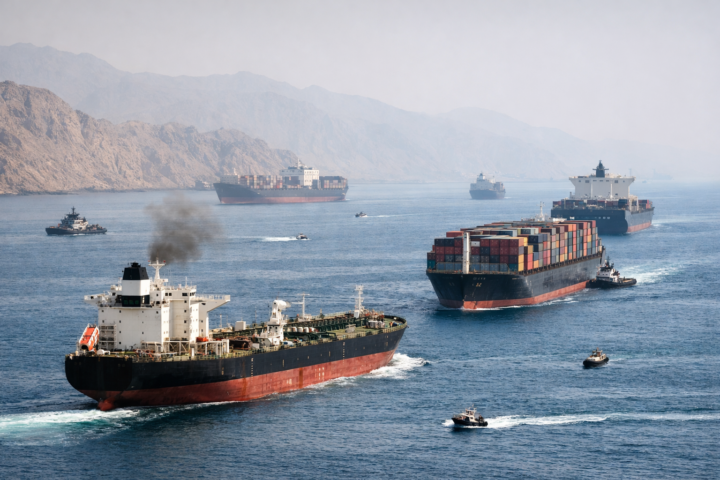
The Strait of Hormuz remains one of the world’s most important energy corridors.
The waterway connects Gulf oil producers to global markets.
During the conflict:
- Iran restricted shipping access.
- The United States imposed a naval blockade.
- Insurance costs surged.
- Energy markets faced uncertainty.
While the agreement outlines temporary shipping arrangements, it does not fully settle future control of the waterway.
Iranian negotiators have indicated that shipping services and fees may continue under a new framework.
Trump Iran Deal Addresses Uranium Stockpile
The agreement also tackles one of the most controversial issues in negotiations: Iran’s enriched uranium.
Under the memorandum:
- Iran reaffirms it will not develop nuclear weapons.
- Both sides will determine the future of enriched uranium through a mutual process.
- The minimum solution would involve downblending uranium under International Atomic Energy Agency supervision.
What Is Downblending?
Downblending reduces highly enriched uranium to lower enrichment levels suitable for civilian nuclear energy use.
Experts view the process as irreversible.
The agreement suggests Washington may accept this approach instead of demanding the complete transfer of Iran’s uranium stockpile outside the country.
Does the Trump Iran Deal Include Reconstruction Funding?
The agreement does not use the word reparations.
However, it includes a commitment to support Iran’s economic recovery.
According to the memorandum:
- Regional partners would participate in reconstruction efforts.
- A plan worth at least $300 billion would be developed.
- The United States would facilitate required licenses and financial approvals.
The document does not identify which countries would contribute funding or how resources would be distributed.
Trump Iran Deal Promises Sanctions Relief
Sanctions remain another major component of the agreement.
The memorandum states that the United States will work toward ending sanctions under an agreed schedule.
However, the text does not clarify:
- Which sanctions will be removed.
- Whether United Nations sanctions are included.
- When sanctions relief would begin.
Iran has consistently argued that sanctions relief is essential for rebuilding its economy and accessing billions of dollars in frozen assets.
Key Questions Still Remain
While the Trump Iran Deal establishes a framework for future cooperation, many details remain unresolved.
Key unanswered questions include:
- How a Lebanon ceasefire would be enforced.
- Who controls shipping arrangements in Hormuz.
- How uranium monitoring will operate.
- Which sanctions will be lifted.
- How reconstruction funding will be financed.
Negotiators are expected to address those issues during the next phase of talks.