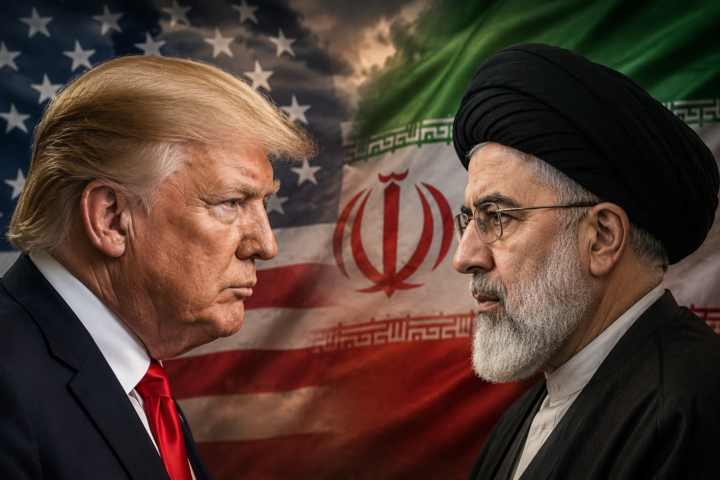
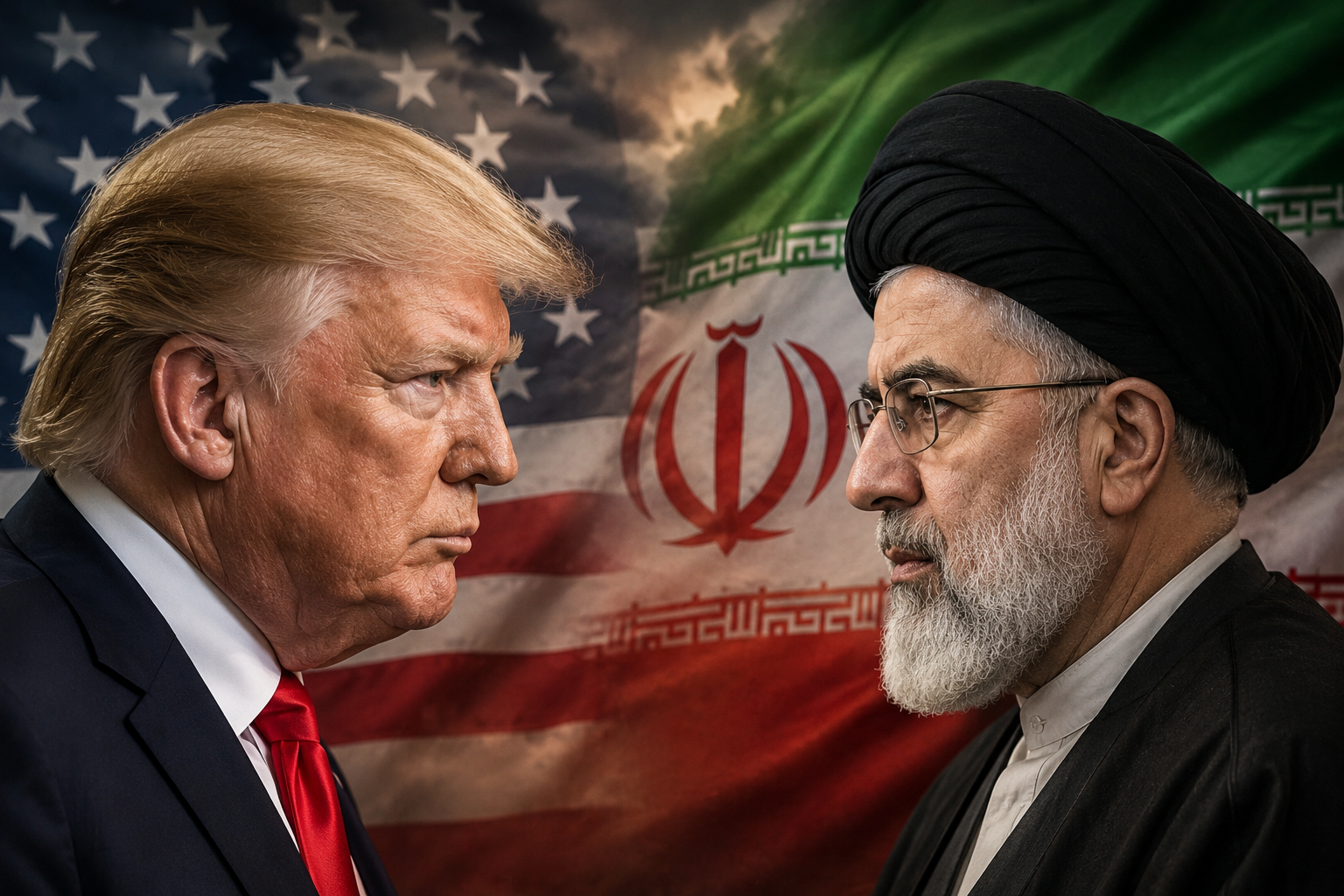
Iran peace talks remain under pressure as senior US envoys prepare to travel to Switzerland for negotiations aimed at advancing a peace agreement between Washington and Tehran. However, continued Israeli military operations in Lebanon are creating new obstacles for the diplomatic process.
Iran peace talks were expected to move into a technical phase after an initial agreement earlier this week. Yet escalating violence in southern Lebanon has raised concerns that regional tensions could slow or derail progress.
Iran Peace Talks Return to Focus in Switzerland
The United States is moving ahead with preparations for negotiations despite uncertainty over Iran’s participation.
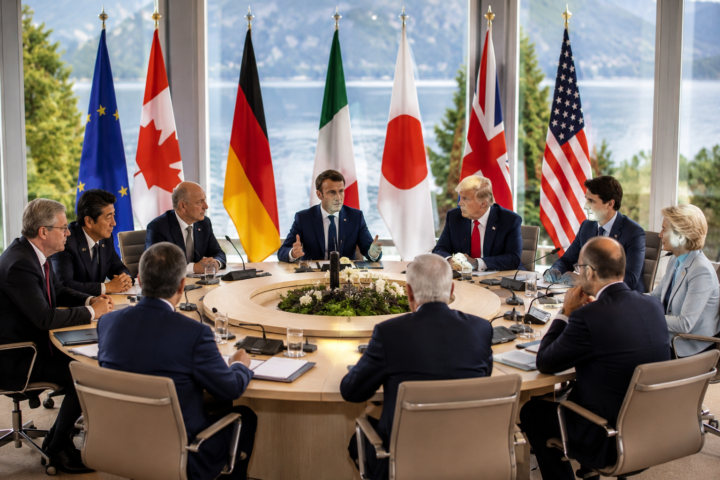
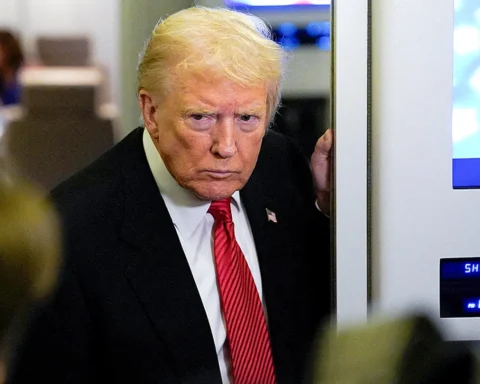
Special Envoy Steve Witkoff is expected to arrive in Switzerland as Washington works to restart discussions that were postponed earlier in the week. Reports also indicate that Jared Kushner, adviser to President Donald Trump, is expected to take part in meetings connected to the diplomatic effort.
Vice President JD Vance had originally planned to attend the talks. However, the White House later confirmed that he would remain in Washington.
Key Developments
- US envoys are preparing for talks in Switzerland.
- Steve Witkoff is expected to participate in negotiations.
- Jared Kushner is also expected to attend.
- JD Vance postponed his planned trip.
- Iran has not confirmed when its delegation will arrive.
Lebanon Violence Threatens Iran Peace Talks
Military activity in Lebanon has become a major concern for negotiators.
Iranian officials have reportedly linked progress in Switzerland to conditions on the ground in Lebanon. According to diplomatic sources, Tehran wants to see a ceasefire hold before moving forward with technical discussions.
The issue has become increasingly important because the broader memorandum of understanding between the United States and Iran includes provisions tied to regional stability.
As a result, developments in Lebanon could directly affect the pace of future negotiations.
Israeli Strikes Increase Regional Tensions
Israeli air strikes and drone attacks continued in southern Lebanon despite the ceasefire announcement.
Lebanese authorities reported multiple casualties following attacks in the Nabatieh and Tyre districts. Local officials also reported civilian deaths, including members of the same family.
In addition, a Lebanese soldier was killed during one of the attacks.
The renewed violence has increased concerns that instability could undermine ongoing diplomatic efforts.
Impact of the Latest Attacks
- Casualties were reported across southern Lebanon.
- Lebanese officials accused Israel of undermining stability efforts.
- Hezbollah maintained its opposition to Israeli military presence.
- Regional mediators are monitoring developments closely.
Why Lebanon Matters to Iran Peace Talks
The current diplomatic framework links progress on several regional fronts.
Article 1 of the memorandum of understanding identifies stability in Lebanon as an important part of the broader peace process. Consequently, negotiators view developments in Lebanon as a critical test of the agreement.
Iran has indicated that a sustainable ceasefire in Lebanon would strengthen confidence in future negotiations. Meanwhile, continued military activity risks creating new obstacles.
This connection has increased the importance of events taking place far from the negotiation table.
Washington Plans Additional Regional Talks
The US State Department has scheduled additional discussions involving Lebanon and Israel in Washington, DC.
The meetings are expected to take place on June 23 and June 25 and will focus on long-term security arrangements and efforts to reduce violence.
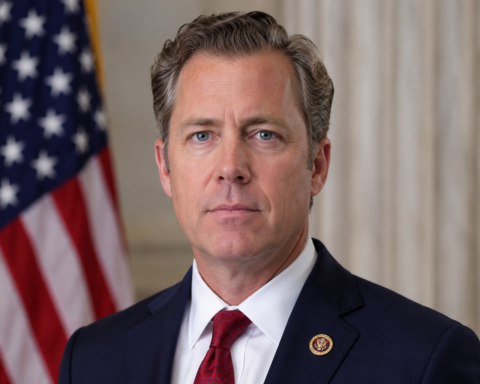
US Secretary of State Marco Rubio has emphasized that direct negotiations offer the most practical path toward reconstruction and economic recovery in Lebanon.
However, challenges remain because Hezbollah is not participating in the talks.
What Happens Next?
Diplomatic efforts continue despite the uncertainty.
US officials remain committed to restarting negotiations in Switzerland, while mediators from several countries work to keep communication channels open.
At the same time, developments in Lebanon will likely shape the timing and direction of future talks.
For now, the success of Iran peace talks may depend as much on events in southern Lebanon as on discussions inside the negotiating room.