WASHINGTON — The Iran oil blockade has sharply reduced Tehran’s oil exports, cutting billions of dollars from one of the country’s most important sources of income.
New shipping data shows the Iran oil blockade pushed crude exports to their lowest level in at least six years during May. Analysts estimate Iran may have lost nearly $6 billion in expected oil revenue over April and May as the United States tightened pressure on Tehran.
The blockade began on April 13 as part of President Donald Trump’s broader strategy to pressure Iran into accepting U.S. terms for a peace agreement.
Iran Oil Blockade Sends Exports Lower
Iran relies heavily on oil exports to fund government spending and support its economy.
Before the blockade, Iran exported nearly 2 million barrels of crude oil per day. However, exports dropped below 300,000 barrels per day in May, according to shipping intelligence firm Kpler.
Key changes in Iran’s oil exports:
- March: About 1.84 million barrels per day
- April: About 1.34 million barrels per day
- May: Below 300,000 barrels per day
The sharp decline followed a U.S. naval operation targeting shipping routes near Iranian ports.
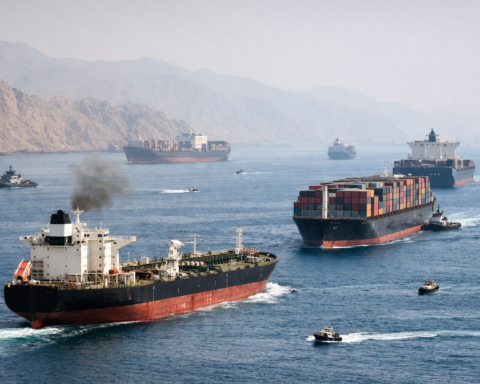
Washington launched the effort after Iran restricted shipping through the Strait of Hormuz, a key global energy route.
Why the Strait of Hormuz Matters
The Strait of Hormuz handles roughly 20% of global oil and gas shipments.
Iran restricted access to much of the shipping lane after fighting involving the U.S. and Israel escalated in late February.
That disruption pushed global oil prices higher and slowed exports from Gulf nations, including:
- Saudi Arabia
- Kuwait
- Iraq
- United Arab Emirates
At first, Iran continued selling oil while competitors struggled with disruptions.
However, analysts now say the U.S. blockade has significantly reduced Tehran’s ability to move crude to international buyers, especially China, Iran’s largest customer.
Iran Oil Blockade Cuts Billions in Revenue
Higher oil prices initially helped Iran offset disruption.
Iranian crude sold above $90 per barrel and sometimes crossed $100.
Still, lower export volumes sharply reduced earnings.
Estimated oil revenue:
- March: About $5.13 billion
- April: About $3.62 billion
- May: About $837 million
The numbers suggest Iran’s oil income in May dropped by roughly 84% compared with March.
As a result, analysts estimate Tehran lost nearly $5.8 billion in expected revenue over April and May.
Is Iran Still Producing Oil?
Yes. However, Iran increasingly stores crude oil it cannot export.
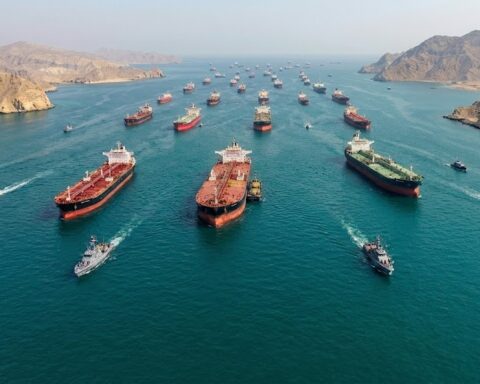
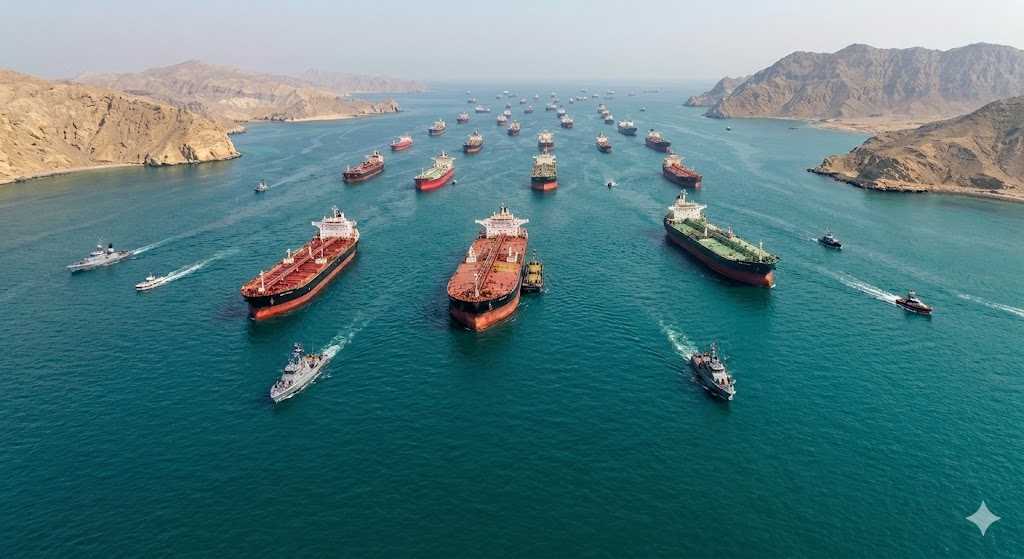
Energy researchers report Iran has moved much of its unsold oil into floating storage on tankers at sea.
According to shipping estimates:
- About 147 million barrels sit in floating storage
- Roughly 67 million barrels remain trapped inside the Gulf and Gulf of Oman
Iran continues searching for alternative ways to move cargo to buyers.
Can Iran Still Sell Oil?
Some exports still continue despite restrictions.
Experts estimate about 300,000 barrels per day still reached buyers in May.
Analysts believe Iran uses alternative shipping routes and vessel transfers near Malaysia to bypass parts of the blockade.
China remains Iran’s biggest oil customer.
However, experts argue rail transport offers little help because moving crude oil by train remains expensive and slow compared with oil tankers.
A single large oil tanker can carry millions of barrels. By comparison, trains transport far smaller amounts.
Why the Iran Oil Blockade Matters
The economic pressure raises major questions about how long Iran can sustain military operations and absorb financial losses.
At the same time, the blockade also affects global markets.
Energy disruptions in the Gulf continue pushing pressure onto oil prices and supply chains tied to the global economy.
Meanwhile, the larger political question remains unresolved: who controls shipping access through the Strait of Hormuz and how long tensions between Washington and Tehran will continue.