
TEHRAN / TOKYO — The Iran Hormuz ships decision marks a shift in Tehran’s control of the Strait of Hormuz. Iranian officials confirmed that Japanese vessels can now pass through the strategic waterway under specific conditions.
The Iran Hormuz ships policy shows a selective approach. Tehran continues to restrict vessels linked to countries involved in attacks while allowing others safe passage.
Iran Hormuz ships policy signals selective access
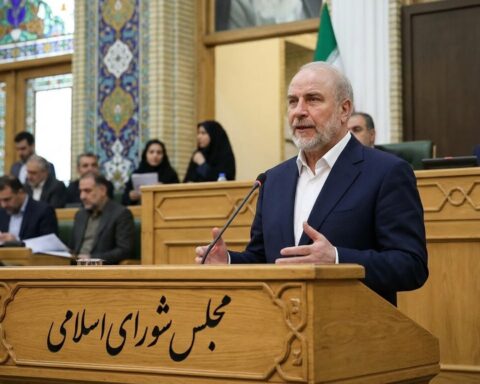
Abbas Araghchi outlined the policy in recent remarks.
Key points:
- Iran has not fully closed the Strait of Hormuz
- Ships from non-hostile countries can pass
- Japan is in talks with Iran for safe transit
- Vessels must coordinate routes with Iranian authorities
This approach allows Iran to maintain pressure without stopping global trade entirely.
Why Iran decision matters for Japan
Japan depends heavily on energy shipments through the Gulf.
Key facts:
- About 90% of Japan’s oil imports pass through Hormuz
- Shipping disruptions have already hit supply chains
- Tokyo has raised concerns over stranded vessels
By allowing access, Iran reduces pressure on a major energy importer while maintaining leverage in the conflict.
Shipping adapts to Iran restrictions
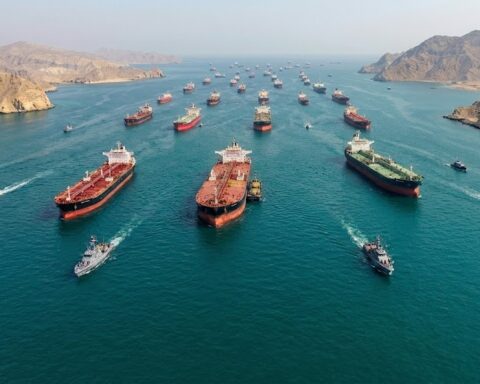
Shipping activity remains limited but is slowly adjusting.
Recent developments:
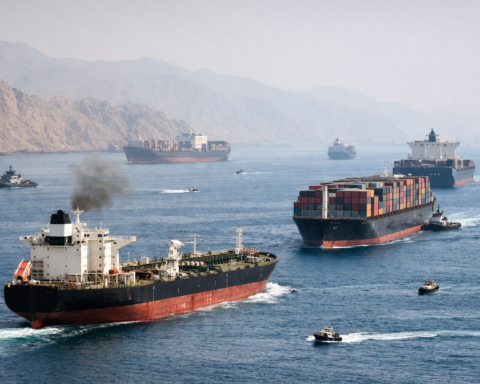
- Some vessels transit close to Iranian waters for safety
- Traffic remains far below normal levels
- Ships require approval before entering the strait
Earlier in the conflict, many vessels halted operations due to security risks.
Global response to Iran Hormuz ships policy
Countries continue diplomatic engagement with Tehran.
Nations seeking access:
- Japan
- China
- India
- Pakistan
Western response:
- The White House monitors shipping risks
- Lawmakers in CONGRESS assess economic impact
- Allies discuss securing maritime routes
Iran Hormuz ships move impacts energy markets
The Strait of Hormuz handles a major share of global oil and gas flows.
Impact so far:
- Oil and gas prices remain volatile
- Shipping insurance costs have increased
- Global supply chains face uncertainty
Even limited access can help stabilize markets in the short term.
Outlook for Iran Hormuz ships policy
The Iran approach suggests controlled escalation rather than full closure.
Key outlook points:
- Iran may expand access to more countries
- Shipping will remain tightly regulated
- Energy markets will stay sensitive to any change
The Strait remains a critical global route. Any shift in policy continues to carry wide economic consequences.