Hormuz reopening talks have taken center stage as the United Kingdom moves to unite 35 countries to reopen one of the world’s most critical oil routes.
The push comes as the US-Israel war on Iran continues to disrupt global trade and energy supply.
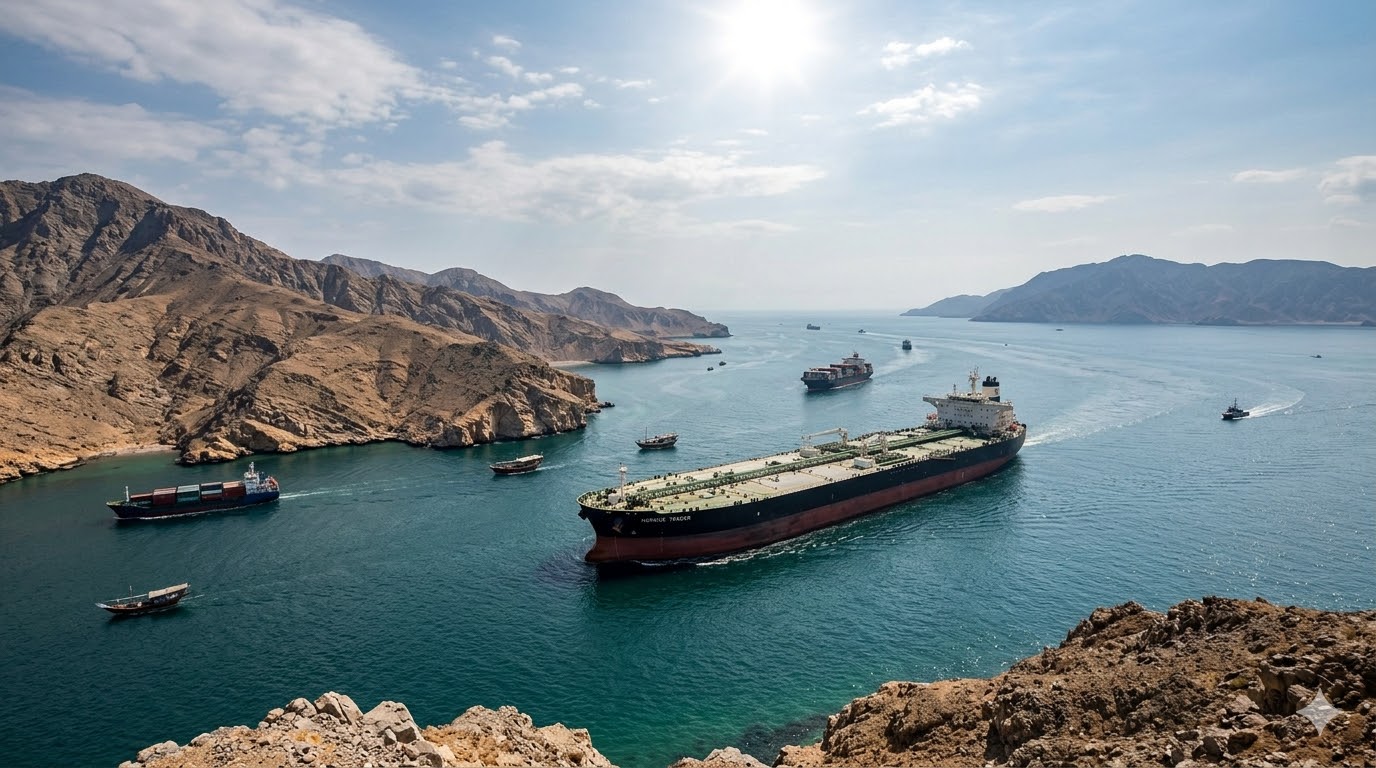
British Prime Minister Keir Starmer confirmed that urgent discussions will begin to restore safe passage through the Strait of Hormuz. The waterway carries nearly 20 percent of the world’s oil and gas.
The stakes are high. Delays are already shaking global markets and raising fears among governments and ordinary citizens alike.
Hormuz reopening talks: Why it matters now
The Strait of Hormuz has effectively shut down due to ongoing conflict. As a result, oil shipments have slowed, and energy prices have surged worldwide.
Countries fear deeper economic pain if the situation continues.
Key concerns driving the talks:
- Disruption of global oil and gas supply
- Rising fuel and energy prices
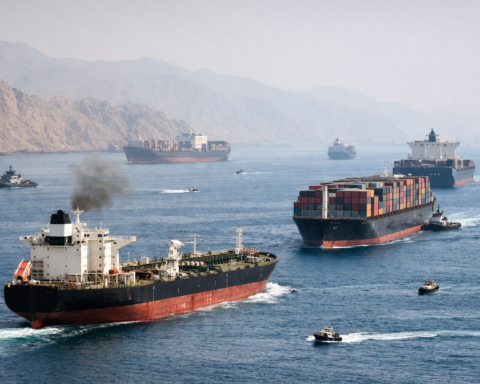
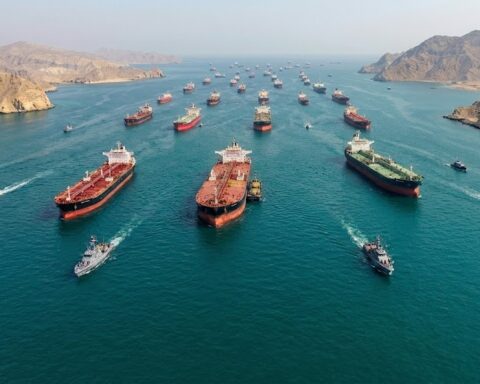
- Ships stranded in dangerous waters
- Growing risk to seafarers’ lives
Many nations now face a harsh reality: without action, the crisis could spiral further.
UK leads coordinated global response
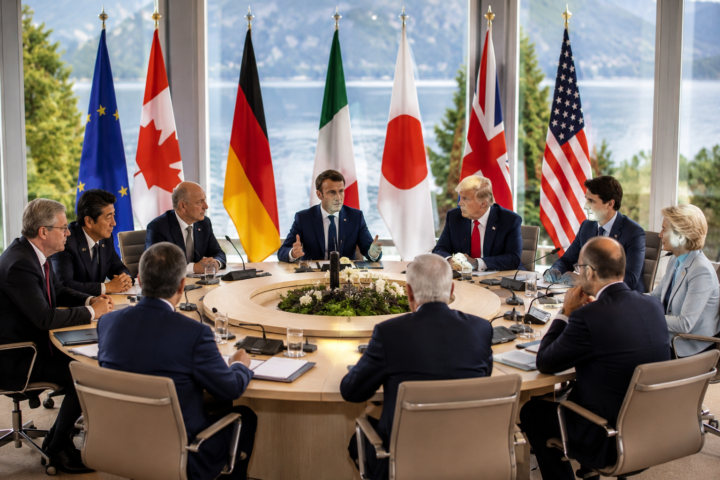
The UK will host a virtual meeting led by Foreign Secretary Yvette Cooper. Leaders from Europe, Asia, and beyond will join.
Countries expected to take part include:
- France
- Germany
- Italy
- Japan
- Netherlands
The talks will focus on:
- Restoring freedom of navigation
- Protecting trapped ships and crews
- Restarting the flow of oil and gas
Officials will also prepare military planning if diplomacy fails.
Rising tensions deepen Hormuz reopening talks
The crisis has triggered strong reactions worldwide. Energy markets remain unstable. Governments scramble to protect their economies.
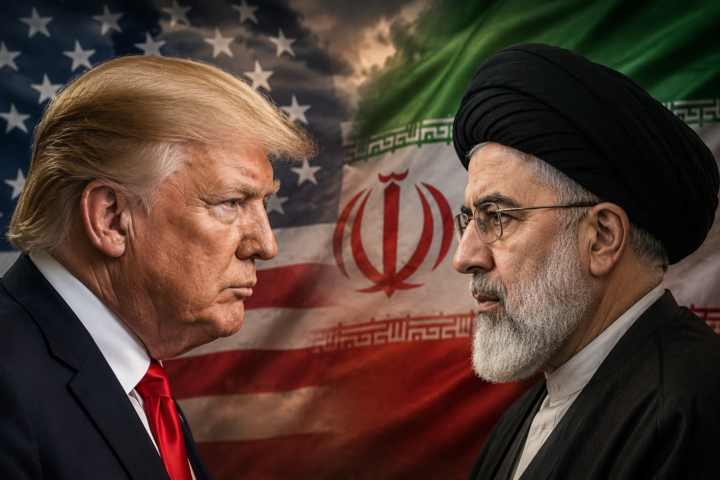
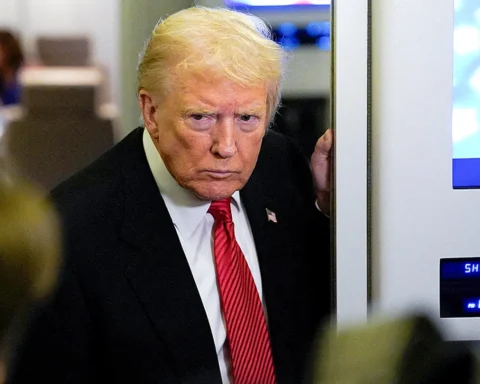
Meanwhile, Donald Trump has criticized allies for slow action. He has pushed countries to take stronger steps to secure their own energy needs.
His remarks highlight growing divisions between the United States and European partners.
Human impact behind the crisis
Beyond politics and strategy, the crisis carries a human cost.
- Seafarers remain stranded in uncertain conditions
- Families wait anxiously for loved ones at sea
- Rising fuel prices strain households worldwide
Every delay adds pressure. Every day without a solution increases fear.
Can Hormuz reopening talks succeed?
Leaders admit the path forward will not be easy. The conflict in the region remains active. Trust between key players remains fragile.
However, the talks offer a critical chance to prevent a wider global crisis.
If successful, they could:
- Stabilize energy markets
- Ease global tensions
- Protect millions from economic hardship
If they fail, the consequences could reach far beyond the Middle East and it already shows.