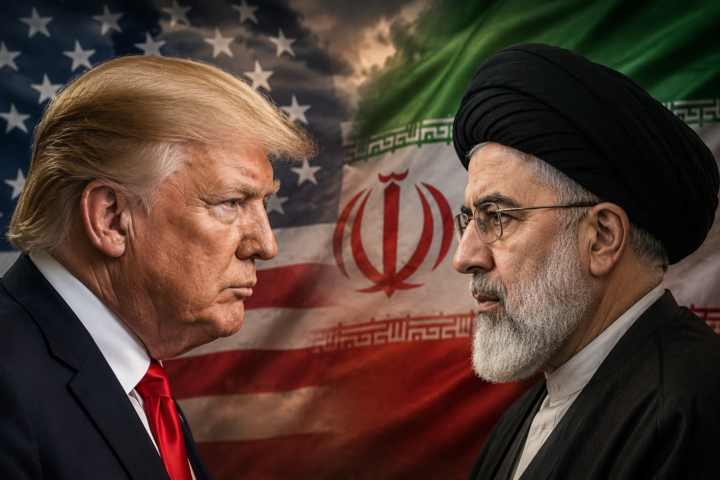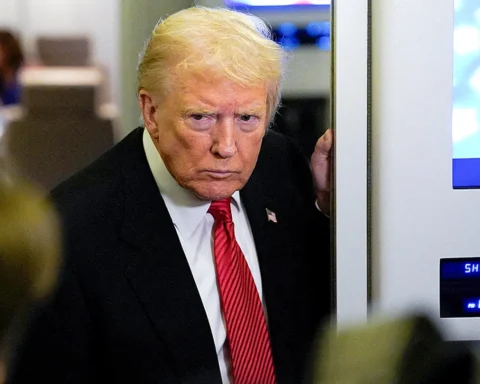
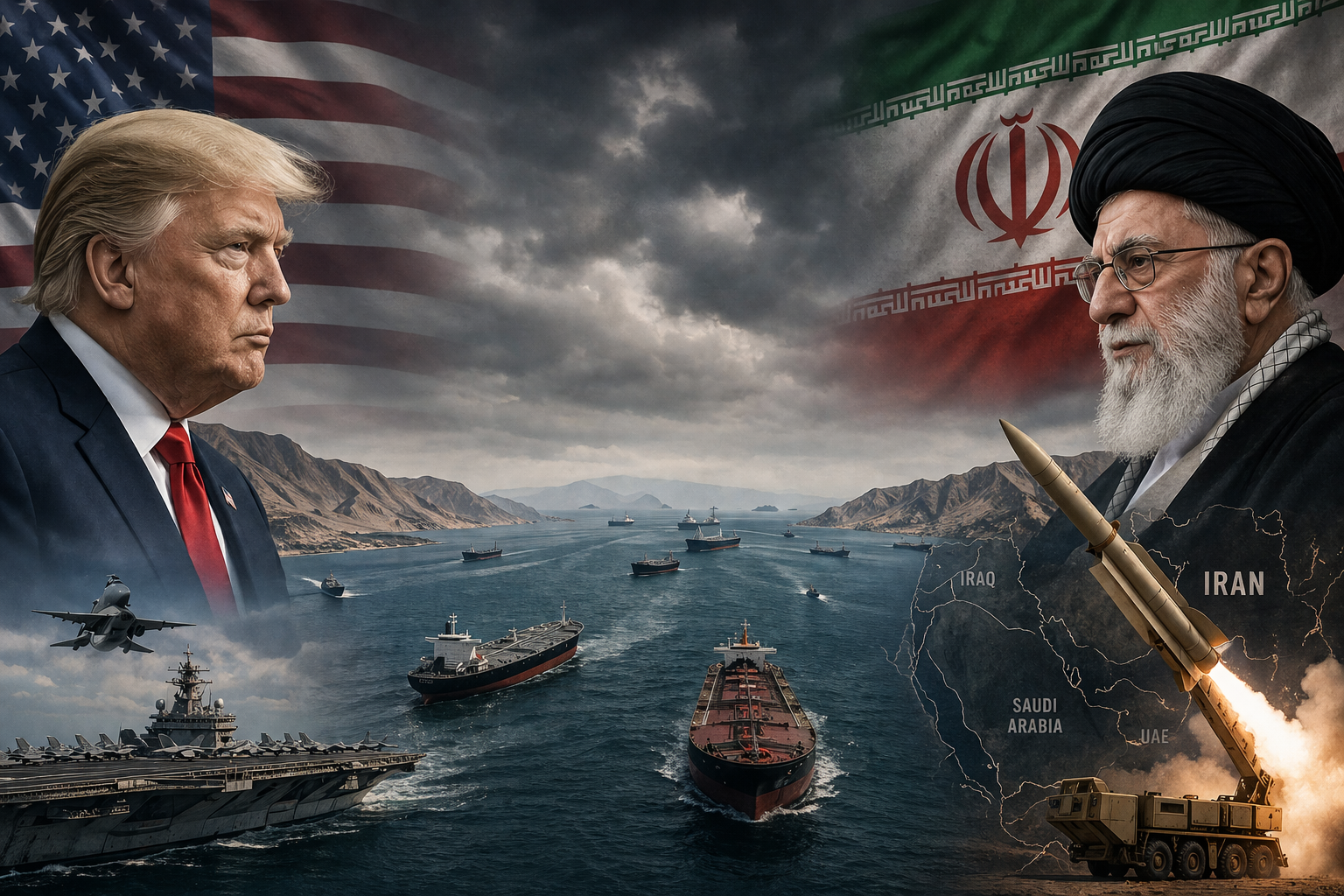
The US Iran frozen war is entering a prolonged and uncertain phase. Donald Trump is weighing limited strikes while delaying a permanent deal.
Meanwhile, the White House and Congress face growing pressure to define a clear path.
Although a ceasefire remains in place, tensions continue across the region. As a result, analysts warn the conflict risks turning into a long-term standoff.
Why the US Iran Frozen War Is Stalling Diplomacy
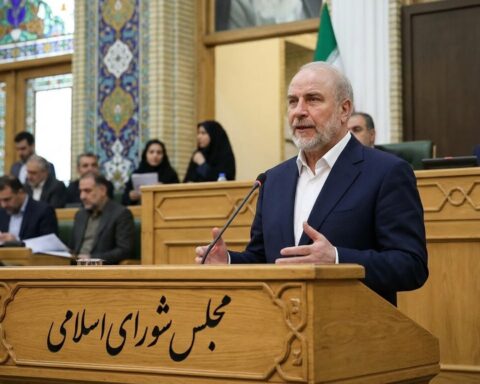
Negotiations remain active but slow. However, key gaps persist.
Major sticking points include:
- Iran’s nuclear program future
- US military presence in the Gulf
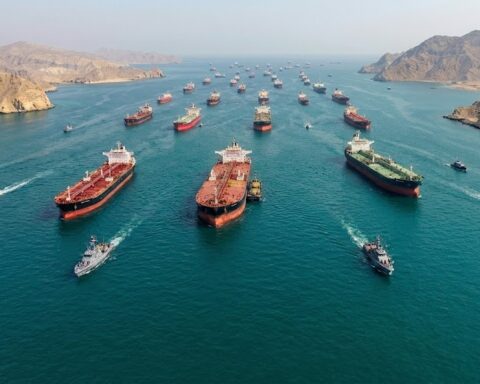
- Control of the Strait of Hormuz
- Sanctions and economic pressure
At the same time, both sides are avoiding major escalation. Therefore, the conflict sits in a fragile balance.
White House Strategy Keeps Military Options Open
The White House is pursuing a dual-track approach.
Officials are:
- Keeping diplomatic channels open
- Maintaining military readiness
- Reviewing new proposals from Tehran
- Avoiding rushed agreements
Trump is also considering targeted strikes if needed. However, he is holding back a full-scale campaign.
Economic Cost of the US Iran Frozen War Rises
The financial toll is growing fast.
Key impacts include:
- Rising global energy prices
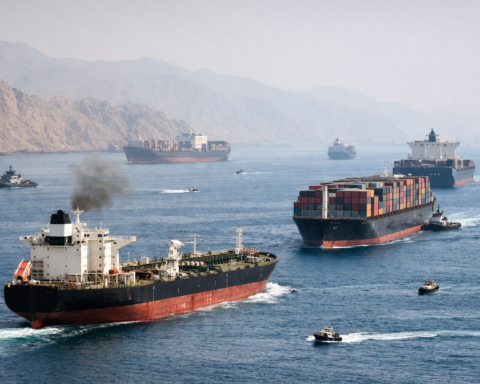
- Disruptions to shipping routes
- Increased military spending
- Pressure on US domestic fuel prices
Estimates show early costs reaching tens of billions of dollars. Meanwhile, long-term projections suggest far higher risks if the conflict expands.
Military Build-Up Signals Long-Term Conflict Risk
The US has expanded its presence in the region.
Recent developments include:
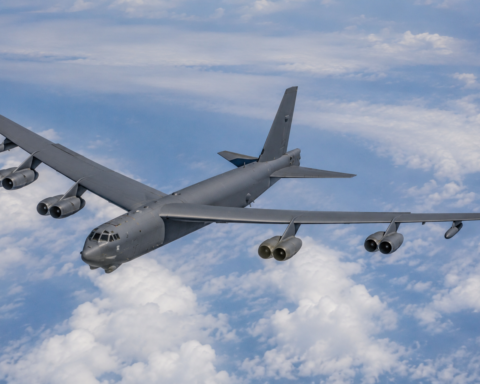
- Additional aircraft carrier deployments
- Thousands of troops positioned in the Gulf
- Naval blockades targeting Iranian shipping
At the same time, Iran is leveraging the Strait of Hormuz. This tactic disrupts global trade while avoiding direct large-scale confrontation.
Prolonged vs Protracted: A Critical Turning Point
Analysts now draw a clear distinction.
- Prolonged conflict happens due to miscalculation
- Protracted conflict is sustained by strategy
The US Iran frozen war may be shifting into the second category.
If that happens:
- Short-term pauses will continue
- Periodic strikes may increase
- A final deal could remain out of reach
Regional Fallout Expands Beyond Iran
The conflict is already affecting the wider region.
Consequences include:
- Strained ties with Gulf allies
- Increased risk to energy infrastructure
- Disruption of food and supply chains
- Rising insecurity for global shipping
Additionally, economic instability inside Iran is worsening due to trade restrictions and supply delays.
Drone Warfare and “Low-Intensity” Strategy Emerging
Military planners are shifting tactics.
The US Department of Defense is increasing investment in drones and autonomous systems. This signals a move toward:
- Lower-cost operations
- Continuous pressure tactics
- Reduced troop exposure
However, this approach may extend the conflict rather than end it.
What Comes Next in the US Iran Frozen War
The situation remains fluid. Still, several scenarios are likely:
- Continued ceasefire with periodic flare-ups
- Limited US strikes on strategic targets
- Ongoing economic pressure on Iran
- Delayed or collapsed negotiations
Ultimately, neither side has secured a decisive advantage. Therefore, the conflict may persist in a controlled but unstable state.