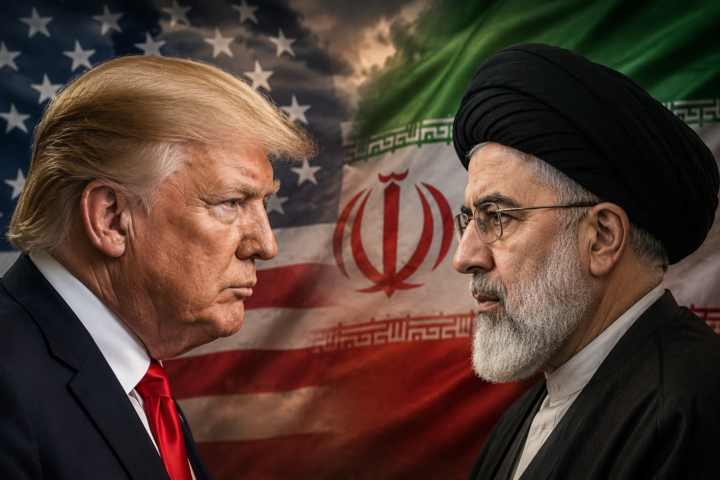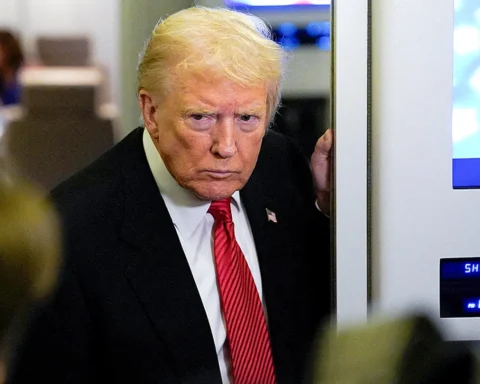
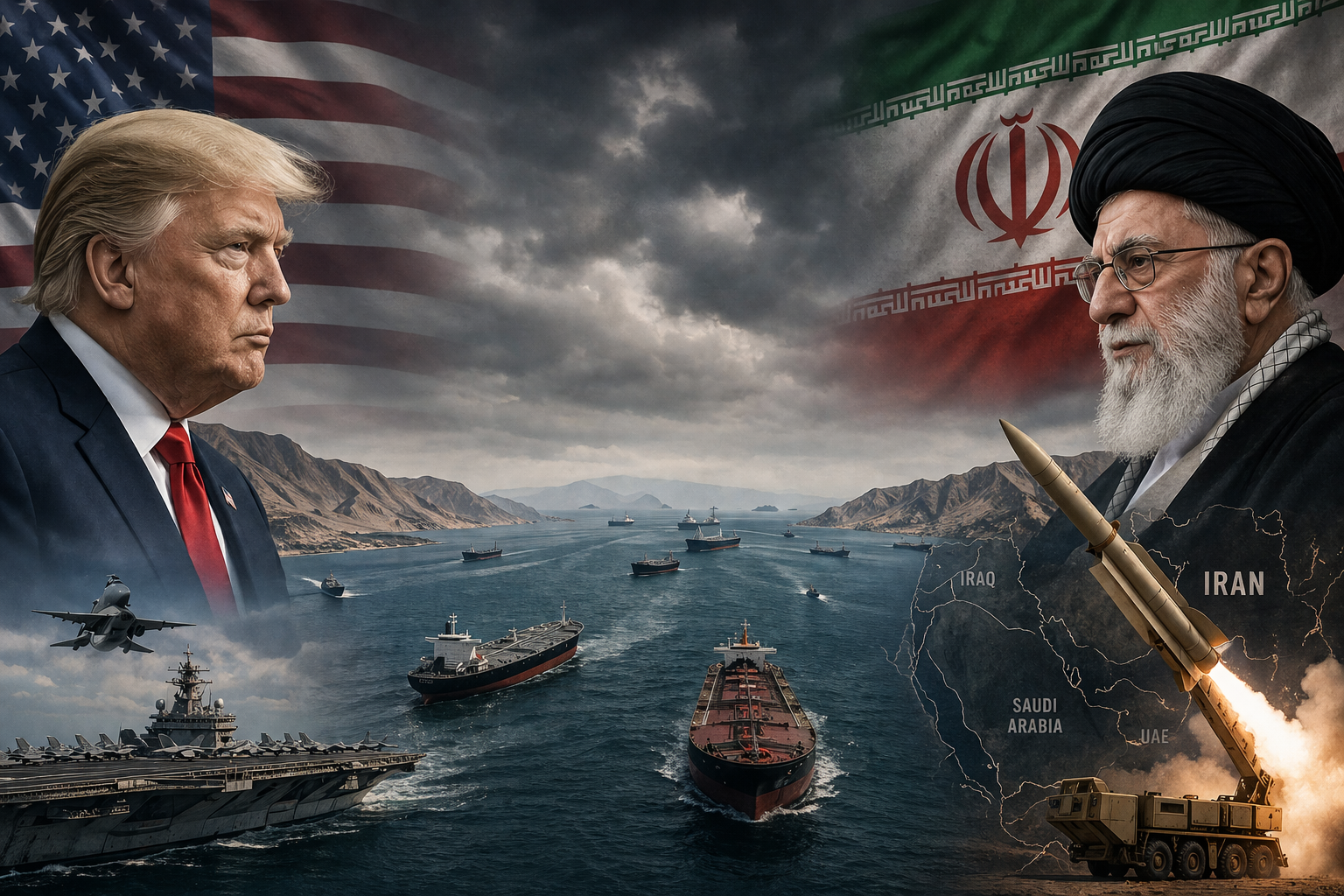
The Trump Iran ceasefire has reached a critical moment as the White House waits for Tehran to respond to a revised proposal.
The Trump Iran ceasefire now faces growing uncertainty, with both sides hardening positions while a key diplomatic deadline approaches.
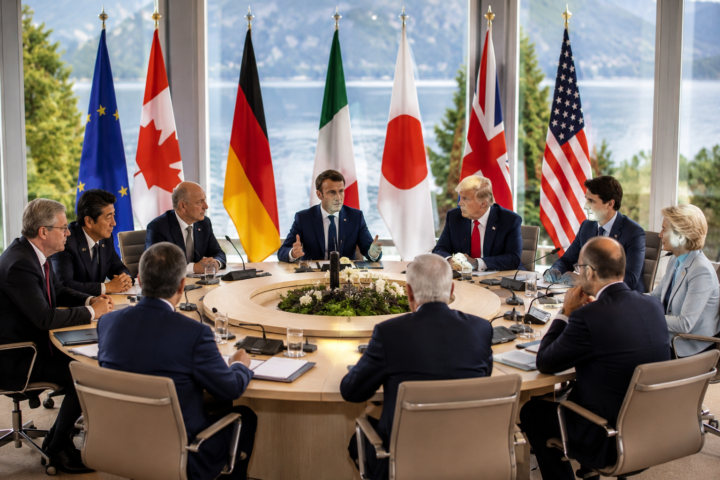
In Islamabad, where Pakistan is mediating between Washington and Tehran, officials continue to push for a breakthrough.
However, delays from Iran have deepened concerns that the fragile pause in hostilities may collapse. As a result, global attention has shifted from cautious optimism to rising anxiety.
Trump Iran ceasefire negotiations enter high-stakes phase
Diplomatic efforts surrounding the Trump Iran ceasefire have intensified in recent days. Mediators in Islamabad believe a workable agreement remains possible. Yet progress depends entirely on Iran’s next move.
- Iran has not submitted a revised proposal
- The United States rejected an earlier draft as insufficient
- Negotiators report narrowing space for compromise
At the same time, backchannel communications continue. Officials familiar with the talks indicate that technical discussions have advanced. However, political decisions in both capitals remain unresolved.
This gap between technical and political progress has slowed momentum.
White House escalates pressure as Trump demands clarity
The WHITE HOUSE has increased pressure on Tehran as the deadline nears. President Donald Trump has made clear that any agreement tied to the Trump Iran ceasefire must include strict limits on Iran’s nuclear program.
- The US demands zero pathway to nuclear weapons
- Officials emphasize verifiable restrictions
- Military options remain under review
Trump has also signaled impatience. Public messaging has become sharper, reflecting frustration with delays.
At the same time, administration officials continue to frame the current strategy as controlled pressure rather than immediate escalation.
This dual approach—public pressure and private negotiation—aims to force a decision from Tehran without triggering immediate conflict.
Iran maintains firm stance on sovereignty and nuclear rights
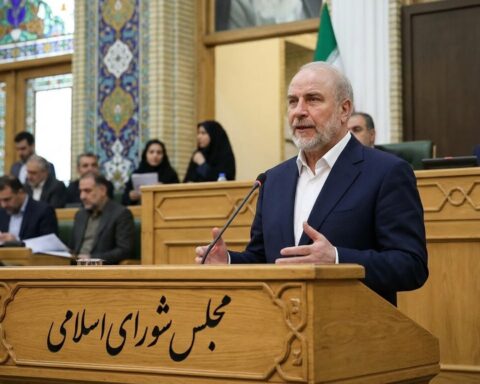
Tehran has responded cautiously but firmly. Iranian leadership continues to reject core US demands tied to the Trump Iran ceasefire, particularly regarding nuclear limitations.
- Iran insists on its right to enrich uranium
- Officials reject foreign oversight of defense capabilities
- Messaging emphasizes national sovereignty
This position reflects both domestic political realities and strategic calculations. Iranian leaders must balance negotiation flexibility with internal expectations of resistance.
As a result, even minor concessions carry significant political costs inside Iran.
Economic pressure shapes Trump Iran ceasefire strategy
Economic pressure has become central to the Trump Iran ceasefire strategy. The United States has intensified measures targeting Iran’s ability to export oil and maintain trade flows.
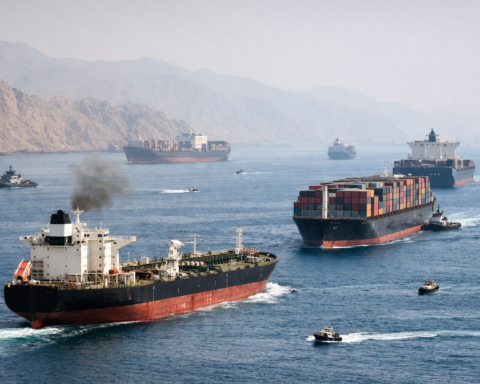
- Naval operations have intercepted multiple vessels
- Access to key ports faces restrictions
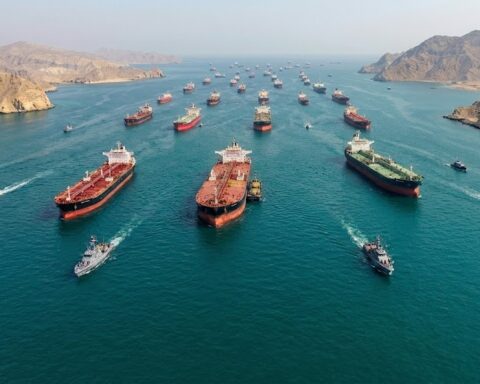
- The Strait of Hormuz remains partially disrupted
These actions have produced immediate global effects.
- Oil prices have surged to multi-year highs
- Energy markets show increased volatility
- Shipping costs continue to rise
While the strategy aims to force Iran back to the negotiating table, it also risks broader economic fallout. Allies have begun weighing the costs of prolonged disruption in global energy supply.
Strategic delay or diplomatic tactic?
Analysts remain divided over Iran’s approach to the Trump Iran ceasefire negotiations.
Some believe Tehran is deliberately slowing the process.
- Delays may increase leverage over the US
- Extended talks could shift global political pressure
- Economic strain on the US may influence decision-making
Others argue the delays reflect genuine complexity in reaching agreement.
- Technical issues remain unresolved
- Internal divisions may slow decision-making
- Regional security concerns complicate negotiations
Regardless of intent, the outcome remains the same: uncertainty continues to grow.
Congress and global powers monitor Trump Iran ceasefire
Developments around the Trump Iran ceasefire have drawn close attention from CONGRESS and international allies.
- US lawmakers monitor potential escalation risks
- European allies continue diplomatic engagement
- Regional powers prepare for multiple outcomes
At the same time, global institutions are assessing the broader implications. A breakdown in talks could reshape security dynamics across the Middle East and beyond.
Military option remains in the background
Although diplomacy remains the primary focus, military planning continues in parallel.
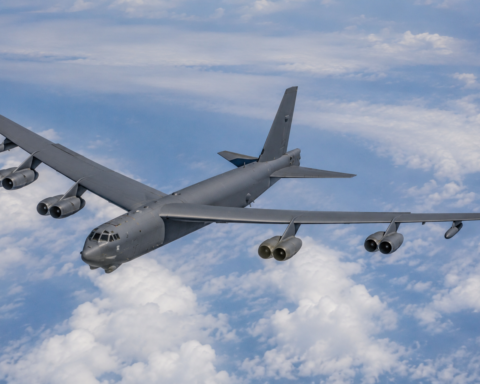
- US defense officials have reviewed strike scenarios
- Regional deployments remain on alert
- Iran has issued warnings against further escalation
This background presence of military options adds urgency to negotiations. It also increases the risks if talks fail.
What happens next in Trump Iran ceasefire talks
The next phase of the Trump Iran ceasefire depends on Iran’s response.
If Tehran submits a revised proposal:
- Talks could accelerate quickly
- A framework agreement may emerge
- Immediate tensions could ease
If Iran delays further or rejects terms:
- Economic pressure may intensify
- Military risks could increase
- Diplomatic channels may narrow
Either outcome carries significant consequences.
Global impact of the Trump Iran ceasefire uncertainty
The uncertainty surrounding the ceasefire extends beyond Washington and Tehran.
- Energy markets remain unstable
- Shipping routes face disruption
- Investors react to geopolitical risk
For many countries, the outcome of these talks will directly affect economic stability and security planning.
A fragile pause under pressure
The ceasefire stands at a crossroads. Diplomatic efforts continue, yet trust remains limited and demands remain firm.
As the deadline approaches, both sides face a defining choice: move toward compromise or risk a return to confrontation.
For now, the world waits.