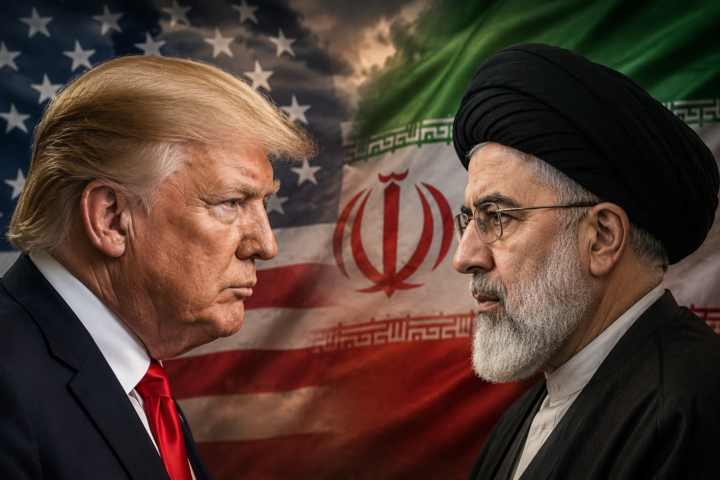
TEHRAN, IRAN — Iran Hormuz tensions are escalating as Tehran accelerates military preparations and the United States increases pressure in the region.
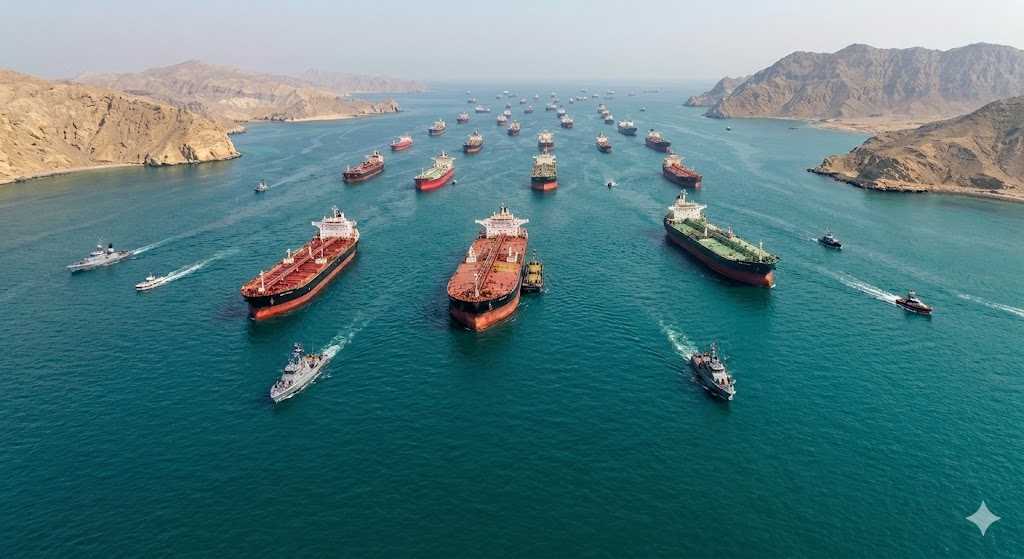
Iran Hormuz tensions now dominate global security concerns, with the Strait of Hormuz emerging as the central flashpoint.
At the same time, signals from the WHITEHOUSE, CONGRESS, and Iran’s leadership show a widening divide. While diplomacy remains on the table, both sides are preparing for the possibility of renewed conflict.
Iran Hormuz tensions escalate near Strait shipping routes
Tensions surged after Iranian media reported a confrontation involving a US warship near the Strait of Hormuz. State-linked outlets claimed Iranian forces launched missiles after issuing warnings.
However, US officials denied that any vessel was struck.
Even so, the incident highlights the growing risk of miscalculation in one of the world’s most sensitive waterways.
Key developments:
- Iranian naval forces increased patrols near the Strait
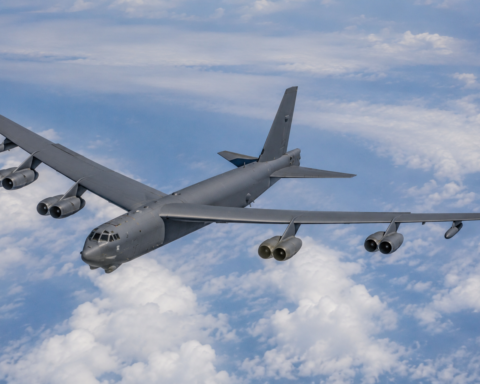
- US warships continue operations in surrounding waters
- Military warnings from both sides have intensified
- Risk of direct confrontation remains high
As a result, the situation continues to shift rapidly, with little room for error.
Iran Hormuz tensions drive Tehran’s military buildup
Tehran has moved quickly to strengthen its military readiness. Authorities are rebuilding damaged infrastructure and restoring critical capabilities after earlier strikes.
In addition, Iran is reinforcing its strategic positions along the coast.
Current military actions:
- Reopening underground missile and weapons facilities
- Expanding drone and missile stockpiles
- Strengthening coastal defense systems
- Coordinating operations across military units
These steps indicate that Iran is preparing not only for deterrence but also for a prolonged conflict if talks collapse.
Diplomatic efforts stall amid nuclear dispute
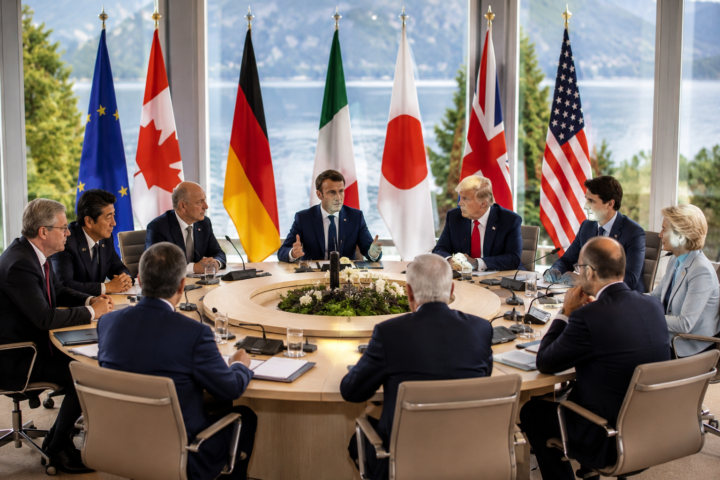
Despite ongoing mediation efforts, negotiations between Washington and Tehran remain deadlocked.
The dispute over Iran’s nuclear program continues to block progress.
- The United States demands strict limits on uranium enrichment
- Iran insists on its sovereign right to nuclear development
- Neither side has shifted its core position
Officials connected to DCI and national security agencies continue to assess the situation. However, no breakthrough appears imminent.
Consequently, Iran Hormuz tensions continue to rise without a clear diplomatic path forward.
Domestic mobilization expands under Iran Hormuz tensions
Alongside military preparations, Iranian authorities have launched a nationwide mobilization campaign.
The initiative, known as “Jan Fadaa,” promotes sacrifice and national unity as tensions grow.
The campaign includes:
- Large-scale volunteer registration efforts
- State-backed rallies in major cities
- Armed motorcades patrolling urban areas
- Broadcast messaging reinforcing wartime readiness
Authorities claim millions have joined. However, critics question the accuracy of those figures.
Even so, the campaign reflects an effort to prepare the population for a sustained crisis.
Global markets react to Iran Hormuz tensions
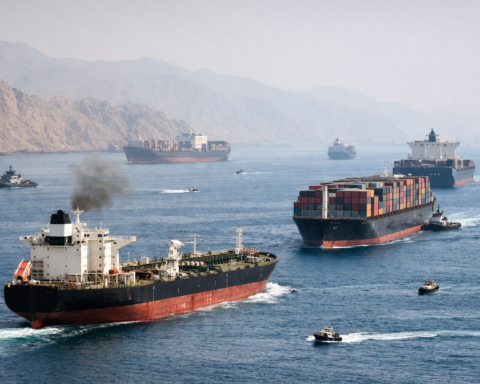
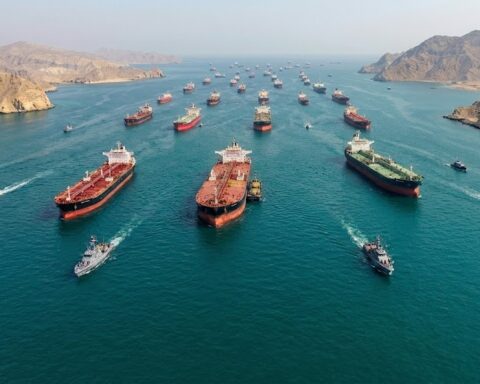
The Strait of Hormuz remains a vital route for global energy supplies. Therefore, rising tensions have immediate worldwide impact.
Economic consequences:
- Oil prices have surged to multi-year highs
- Shipping routes face increasing risk
- Insurance costs for vessels have risen sharply
- Energy markets show growing instability
As uncertainty spreads, governments and investors are watching closely.
What comes next as Iran Hormuz tensions deepen
Several possible outcomes now emerge:
- Limited escalation: Small-scale clashes without full war
- Renewed diplomacy: Talks resume under pressure
- Prolonged standoff: Ongoing tension with no resolution
- Full-scale conflict: Breakdown leading to direct military engagement
For now, both sides appear to be preparing for every scenario.
A fragile moment with global consequences
Iran Hormuz tensions have entered a dangerous phase. While diplomacy remains possible, military preparations on both sides suggest a readiness for escalation.
The Strait of Hormuz stands at the center of the crisis. Any disruption there would affect not only the region but the entire global economy.
As the situation evolves, the world faces a critical question: whether this standoff will lead to compromise or confrontation.