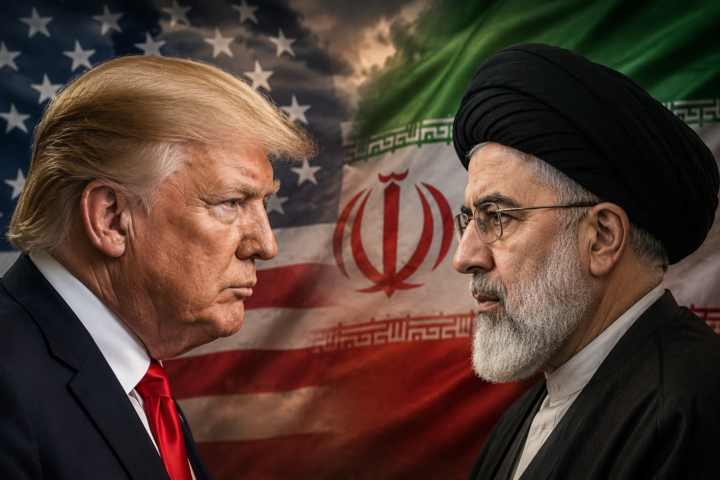
Iran Gulf Missiles intensified regional tensions after Tehran launched ballistic missiles toward Kuwait and Bahrain following US strikes on Iranian radar sites. The missile launches came hours after the United States military targeted Iranian surveillance positions near the Gulf.
According to the US Central Command (CENTCOM), Iran launched seven ballistic missiles late Friday toward Gulf targets. US forces intercepted six missiles, while the seventh failed to reach its destination.
The developments placed a fragile truce between Washington and Tehran under fresh pressure as indirect negotiations continue.
US Says Iran Fired Missiles Toward Kuwait and Bahrain
CENTCOM reported that Iranian missiles moved toward Kuwait and Bahrain, while separate Iranian drones headed toward the Strait of Hormuz.
US forces earlier intercepted four Iranian attack drones near the strategic waterway.
The Pentagon explained that the military acted to prevent further attacks and protect regional stability.
Key Developments
- Seven ballistic missiles launched toward Kuwait and Bahrain
- Six intercepted by US defense systems
- Four Iranian drones shot down near the Strait of Hormuz
- US strikes targeted Iranian radar sites in Goruk and Qeshm Island
- Regional governments condemned the attacks
Iran Blames US Radar Strikes for Escalation
Iran’s Islamic Revolutionary Guard Corps (IRGC) claimed responsibility for retaliatory strikes targeting US-linked positions in the Gulf.
Iranian officials argued that the conflict escalated after US military strikes hit coastal surveillance radar systems.
The US military stated that it struck radar facilities in Goruk and Qeshm Island to defend against further threats after Iranian drone launches.
Tehran strongly criticized the US operation. Iran’s Foreign Ministry described the attacks as a serious breach of the ceasefire in place since April.
Iranian authorities also warned that Washington would bear responsibility for any future escalation.
Strait of Hormuz Tensions Threaten Global Oil Markets
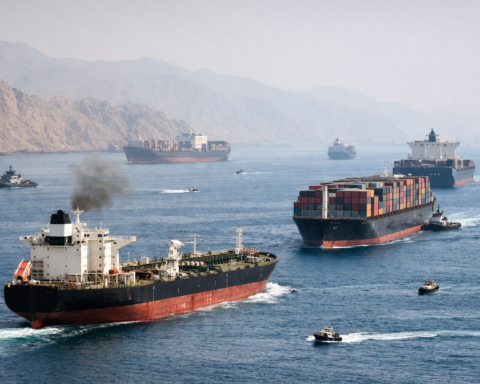
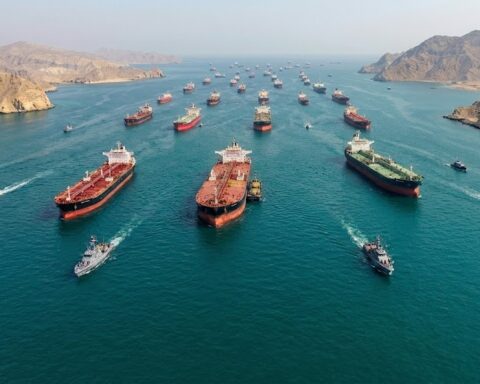
The latest confrontation again placed the Strait of Hormuz at the center of global attention.
The narrow shipping route handles a major share of global oil exports. Therefore, any military activity in the corridor quickly raises fears over energy supplies and shipping disruptions.
Iran claimed the clash began after US-backed oil tankers attempted to move through the waterway without coordination.
Meanwhile, Washington maintained that military actions aimed to secure shipping lanes and regional stability.
Gulf Nations Condemn Missile Attacks
Regional governments reacted quickly.
Kuwait and Bahrain condemned the missile launches, describing them as violations of sovereignty and threats to regional peace.
Meanwhile, Egypt, Jordan, and Qatar also criticized the escalation.
Diplomatic pressure continues to grow as Gulf states seek to prevent broader instability.
US-Iran Talks Face New Pressure
The latest violence comes as the United States and Iran continue indirect negotiations aimed at reducing tensions.
Major disagreements remain.
Iran seeks:
- Relief from economic sanctions
- Access to frozen financial assets
- An end to restrictions on Iranian ports
The United States continues to push for:
- Reopening of the Strait of Hormuz
- Reduced regional military threats
- Nuclear concessions from Tehran
Each new exchange of fire makes diplomacy harder.
As a result, mediators fear the latest military activity could weaken hopes for a negotiated breakthrough.
Why Iran Gulf Missiles Matter
The latest exchange highlights how quickly tensions can rise in the Gulf.
Even limited strikes risk broader consequences because the region remains critical to global oil trade and military security.
If attacks continue, pressure could grow on the WHITE HOUSE, Gulf allies, and regional mediators to prevent a wider conflict.