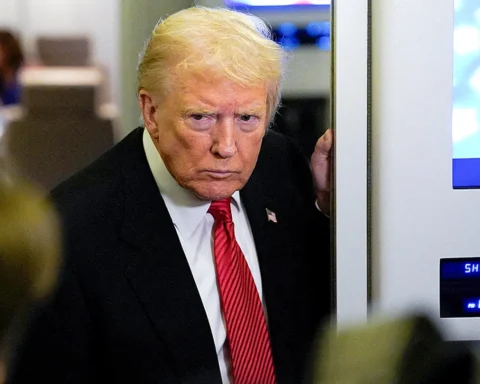
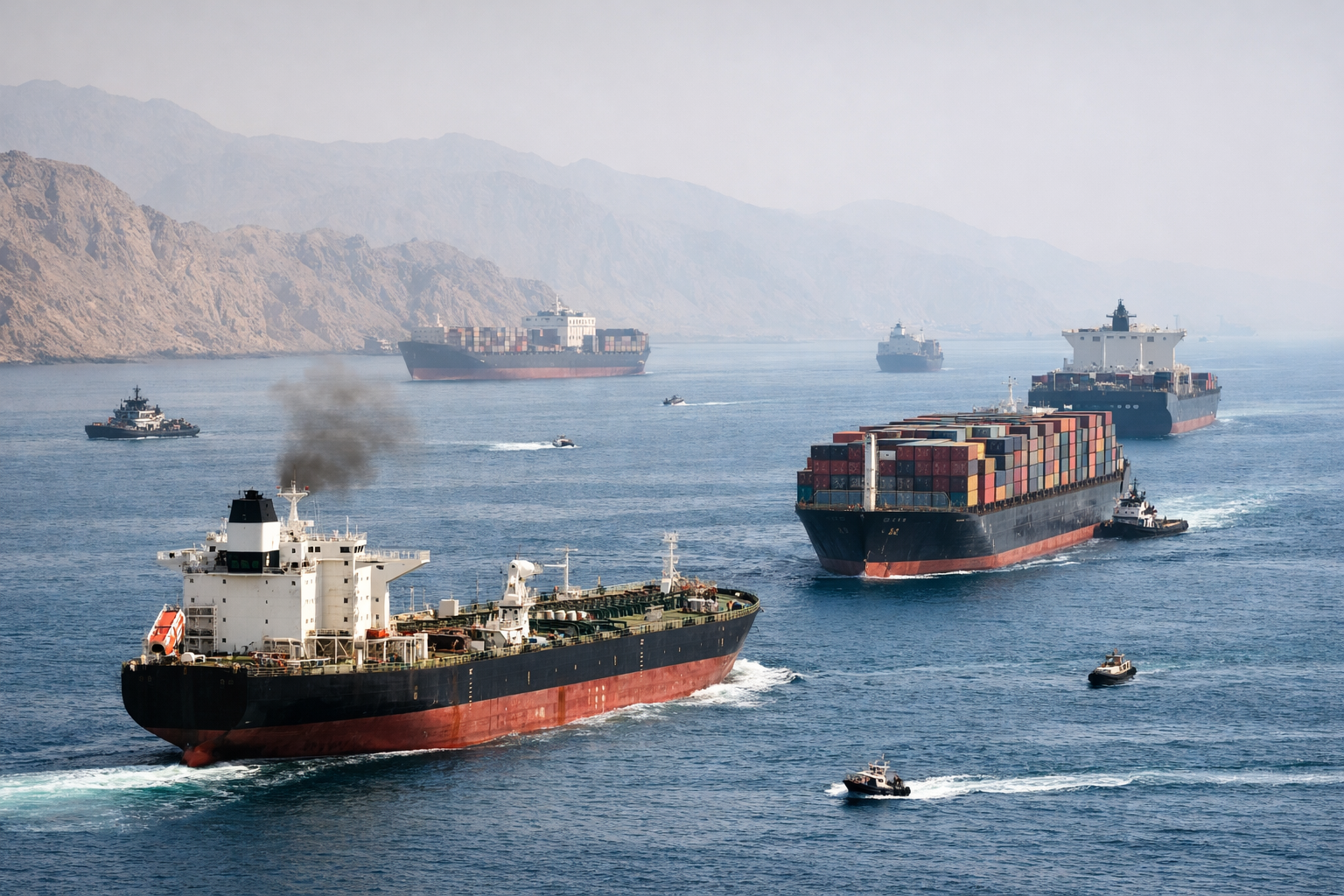
Hormuz oil claim is gaining attention after President Donald Trump stated that the United States secretly helped move millions of barrels of oil through the Strait of Hormuz despite Iranian restrictions.
Trump made the remarks at the White House on Wednesday. He argued that the US military quietly supported commercial ships moving through the strategic waterway.
He also linked the effort to lower oil prices, claiming the operation helped prevent prices from rising above $100 per barrel.
However, shipping data and comments from US officials raise questions about the scale of the operation.
What Is the Hormuz Oil Claim?
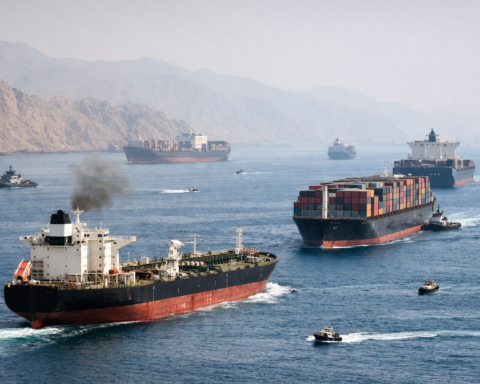
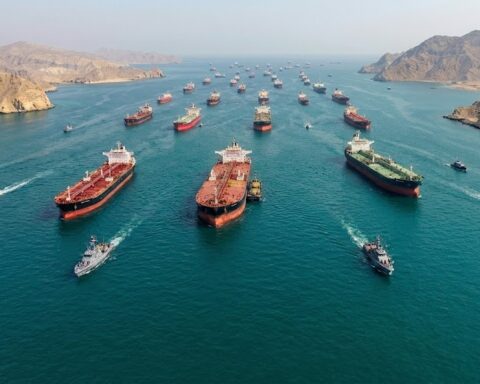
The Hormuz oil claim centers on Trump’s statement that the US military helped oil tankers pass through one of the world’s most critical shipping routes.
Speaking from the Oval Office, Trump claimed the military quietly escorted vessels through the Strait of Hormuz during the night.
Trump claimed:
- The US helped move 100 million barrels of oil
- More than 200 commercial ships crossed safely
- Iran did not immediately detect the operation
- The US now controls transit through the Strait of Hormuz
Trump later repeated the claim online, describing the effort as a successful mission that protected global energy shipments.
He also argued that recent US strikes weakened Iran’s ability to monitor activity in the Gulf.
Why the Strait of Hormuz Matters
The Strait of Hormuz remains one of the world’s most important oil routes.
Before conflict disrupted shipping lanes, the narrow waterway handled roughly 20 percent of global oil supplies. About 20 million barrels moved through the passage every day.
Several Gulf nations depend on the route to export energy supplies, including:
- Saudi Arabia
- United Arab Emirates
- Qatar
- Kuwait
- Iraq
As a result, disruptions in Hormuz often trigger global concerns over oil prices and supply chains.
Does Data Support the Hormuz Oil Claim?
Available shipping data does not fully support the Hormuz oil claim involving 100 million barrels.
Tracking companies reported far fewer vessel movements than would normally be required to transport that volume of oil.
Industry estimates show:
- Windward tracked nearly 80 commercial ships
- Lloyd’s List estimated around 142 vessels
- Kpler recorded up to 264 ship transits
Even the highest estimate remains below normal pre-conflict traffic.
Before tensions escalated, about five days of normal shipping activity would have moved roughly 100 million barrels of oil.
However, that volume would likely involve hundreds of tankers.
Because of this gap, shipping analysts argue there is limited public evidence confirming traffic large enough to match Trump’s statement.
US Energy Secretary Adds Uncertainty
Questions around the Hormuz oil claim increased after US Energy Secretary Chris Wright addressed Congress on Wednesday.
Wright indicated he was unaware of any operation involving millions of barrels moving secretly through the strait.
Still, he acknowledged that the US military helped some commercial ships travel safely through the region.
He also clarified that the vessels were not Iranian ships.
His comments appeared to differ from Trump’s description of the operation.
Who Controls the Strait of Hormuz?
Control of the Strait of Hormuz remains contested.
Iran continues to maintain strong influence through the Islamic Revolutionary Guard Corps (IRGC), even after increased pressure from the United States.
After fighting escalated in March, Iran restricted maritime traffic before allowing selected countries to negotiate passage.
Countries reportedly granted limited transit include:
- India
- Pakistan
- Russia
Some ships reportedly paid fees to secure passage.
At the same time, CENTCOM confirmed US forces communicate and coordinate with commercial vessels in the region but offered limited details on operations.
Why Tankers Continue Crossing Hormuz
Despite security risks, shipping companies still attempt to move oil through Hormuz because delays carry major financial costs.
Experts estimate a large crude tanker can cost nearly $100,000 daily when delayed.
Long delays may also increase:
- Insurance costs
- Crew expenses
- Fuel spending
- Contract penalties
- Security risks
Because of those pressures, some operators continue weighing financial losses against political and legal risks.
What the Hormuz Oil Claim Means
The Hormuz oil claim has renewed attention on US military activity in the Gulf and the future of global energy shipments.
Trump maintains that the United States helped move oil through the strategic waterway. However, available shipping data does not clearly confirm the movement of 100 million barrels under a secret US operation.
At the same time, US officials acknowledge some level of military coordination with commercial vessels.
As tensions continue, the full picture of oil movement through Hormuz may remain difficult to verify.