B-52 crash investigators are working to determine what caused a United States Air Force bomber to go down in California, killing all eight people on board.
The B-52 crash happened Monday at Edwards Air Force Base in Southern California’s Mojave Desert.
Military officials confirmed the aircraft crashed shortly after takeoff during a routine test mission.
The deadly incident involved military personnel and government contractors, while investigators continue examining the cause of the crash.
What Happened in the B-52 Crash?
The B-52 bomber crashed at about 11:20 a.m. local time shortly after leaving Edwards Air Force Base.
Military officials reported that the aircraft burst into flames upon impact.
At a news conference, Colonel James Hayes, deputy commander of the 412th Test Wing, confirmed all eight people aboard died.
Officials reviewed footage of the incident and determined there were no survivors.
Video from the crash scene showed:
- Thick black smoke rising over the desert
- Burned debris scattered near the runway
- Firefighters battling flames at the crash site
- Emergency crews responding across the airfield
Following the incident, Edwards Air Force Base temporarily closed its airfield and diverted incoming aircraft.
Who Were the Victims
Military officials confirmed the victims included:
- US military personnel
- Government contractors
- Two Boeing employees
Officials have not yet released the identities of those killed as authorities notify families.
The crew was reportedly conducting a routine test mission connected to a modernization program when the aircraft went down.
Meanwhile, California Governor Gavin Newsom offered condolences and praised emergency crews responding to the scene.
What Caused the Crash?
The cause of the B-52 crash remains unclear.
Military officials launched an investigation immediately after the incident. According to Colonel Hayes, investigators may take up to six months to determine what happened.
Officials confirmed the aircraft supported a radar modernization program, though investigators have not linked the upgrades directly to the crash.
Authorities are expected to review:
- Flight data
- Aircraft maintenance records
- Weather conditions
- Test mission procedures
- Mechanical systems
For now, officials have not ruled out any possible cause.
What Is the B-52 Bomber?
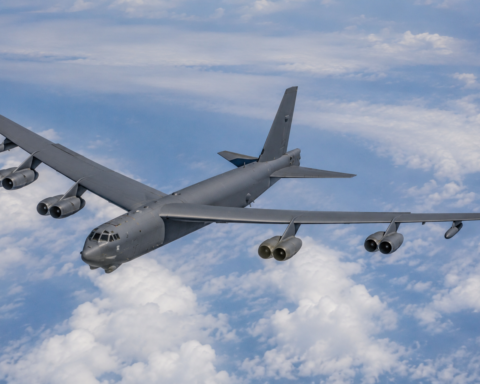
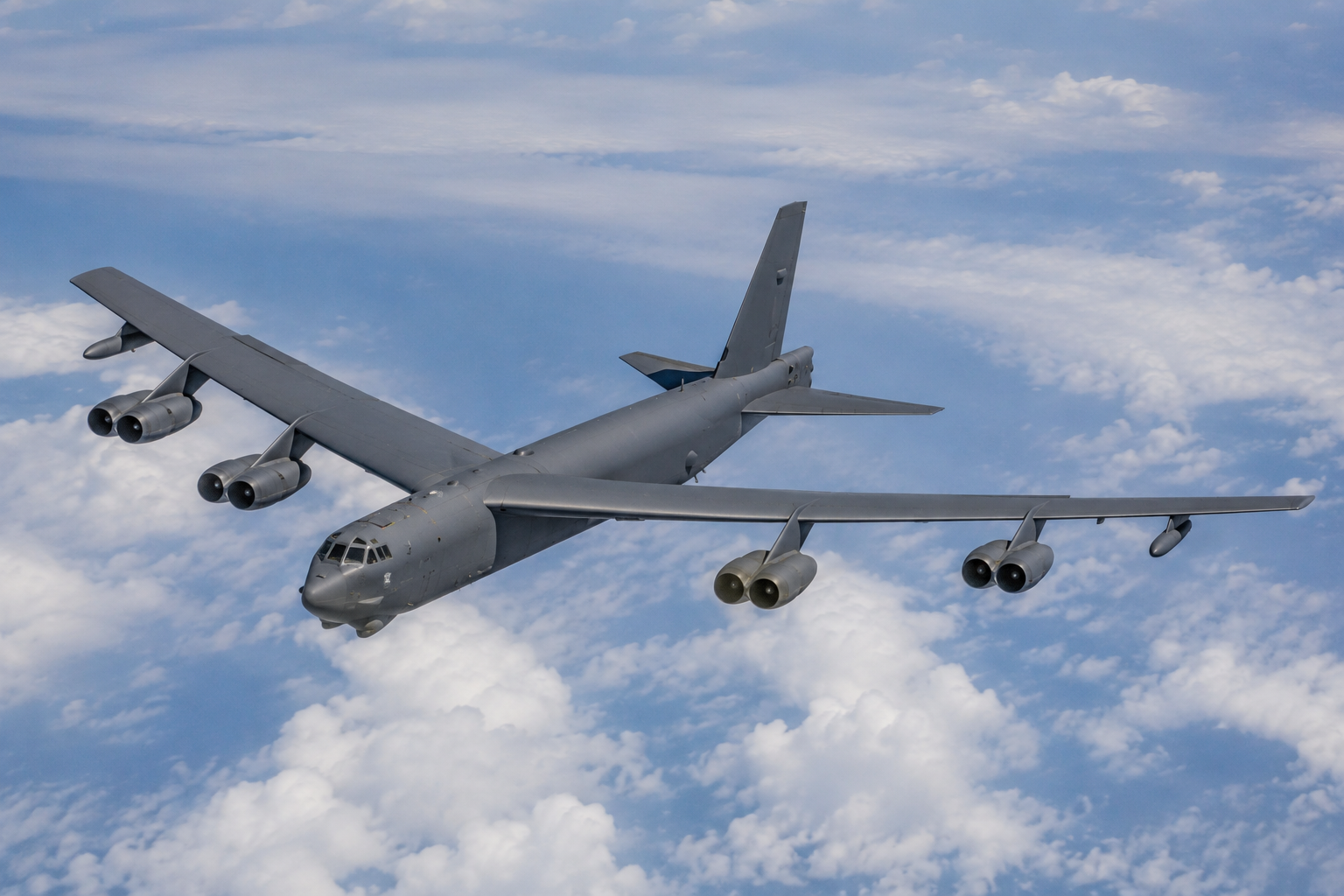
The B-52 Stratofortress is one of the longest-serving aircraft in the US Air Force fleet.
Nicknamed the BUFF — short for “Big Ugly Fat Fellow” — the bomber entered service in 1955.
The aircraft remains central to US military operations because of its long-range capabilities and heavy payload capacity.
Key facts about the B-52 include:
- Operates without refueling for nearly 14,000 kilometers (8,700 miles)
- Carries up to 32,000 kilograms of weapons
- Supports nuclear deterrence missions
- Uses precision-guided and air-to-ground missiles
- Has served in conflicts from the Vietnam War to recent Middle East operations
By 2024, about 76 B-52 bombers remained in service.
Why the B-52 Is Receiving Radar Upgrades
The US Air Force continues upgrading the B-52 fleet to extend its service life.
The newest modernization effort, known as the B-52J program, includes:
- Rolls-Royce F130 engines
- New electronically scanned radar systems
- Updated navigation and targeting systems
Raytheon Technologies is building the radar system, which replaces older mechanical radar dating back to the 1960s.
Military officials have not confirmed whether the modernization program played any role in Monday’s crash.
What Happens Next After Crash?
Federal investigators and military officials are expected to examine the wreckage over the coming months.
The findings could shape future testing procedures and maintenance reviews for one of America’s oldest active bomber fleets.
For now, the B-52 crash has raised fresh concerns about aircraft safety during military modernization programs.