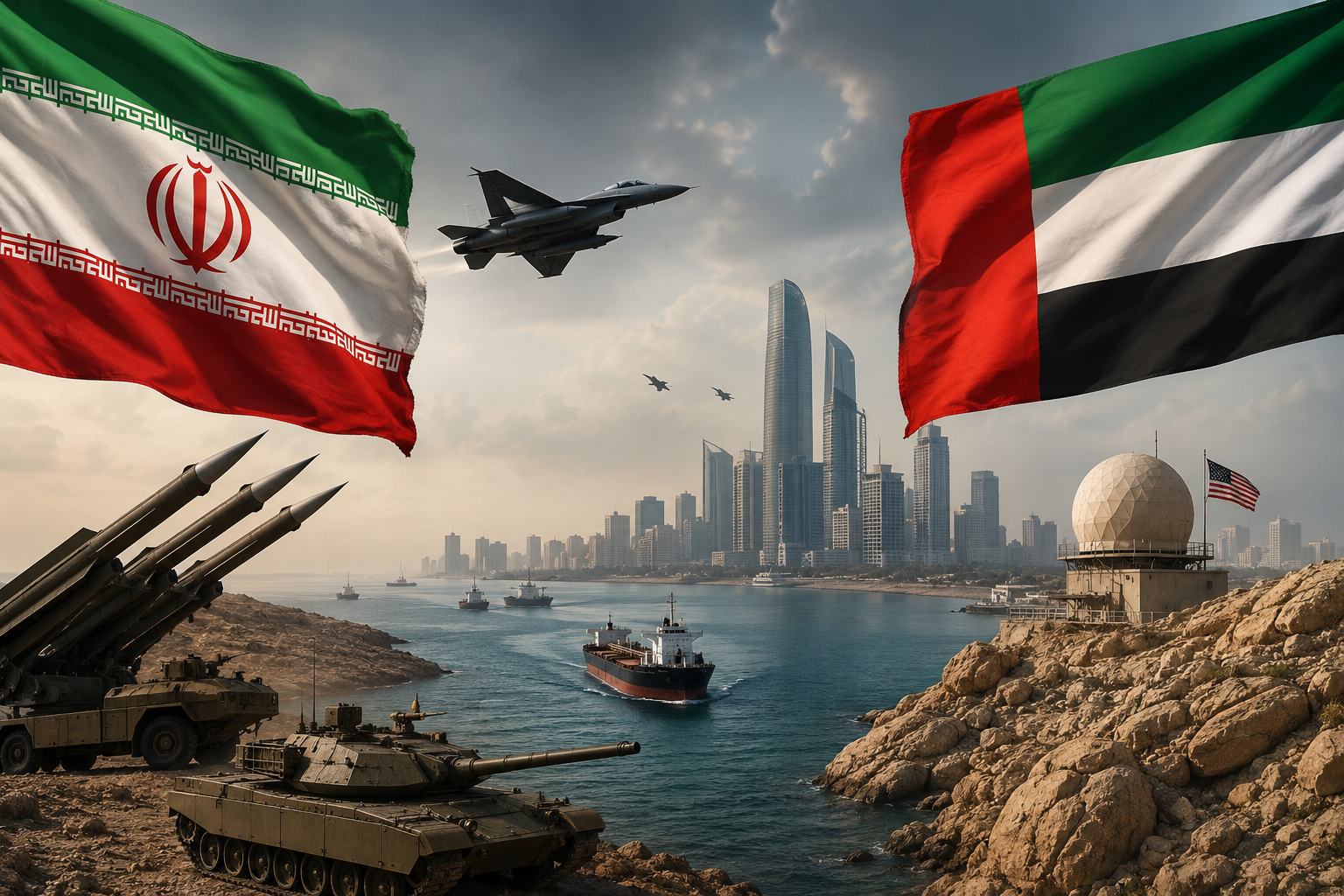
Tehran is increasingly placing the United Arab Emirates at the center of its war messaging. Iranian military leaders and lawmakers now accuse Abu Dhabi of helping the United States and Israel during the recent Gulf conflict.
The growing Iran UAE tensions reflect a wider power struggle across the Middle East. Iranian officials believe the UAE’s close military and intelligence ties with Washington and Tel Aviv threaten Iran’s security and influence in the Gulf.
At the same time, the UAE has rejected claims that it directly joined attacks against Iran. However, the sharp exchange of warnings has pushed relations between the two countries to one of their lowest points in years.
Why Iran Is Focusing on the UAE
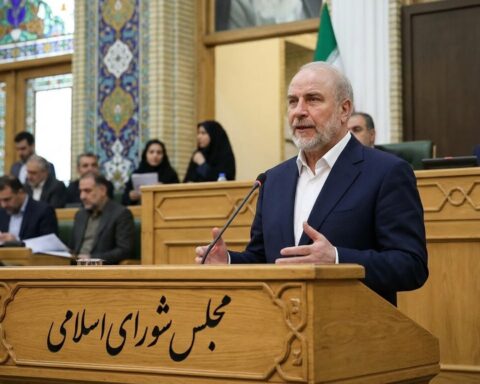
Iranian leaders have recently intensified public warnings against the UAE. Officials linked to the Islamic Revolutionary Guard Corps, or IRGC, described the Gulf nation as a “hostile base” because of its partnerships with the US and Israel.
Iran’s military command also warned Emirati leaders against allowing foreign forces to use the country for operations against Iran.
Several factors explain why Tehran is now focusing heavily on Abu Dhabi:
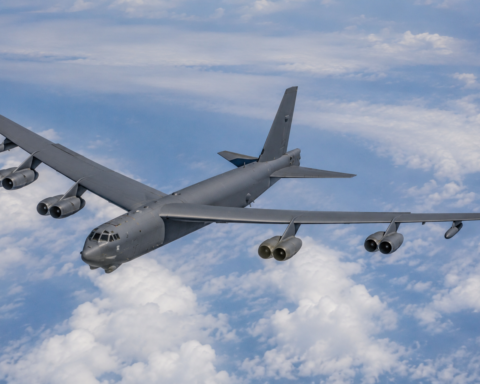
- The UAE hosts US military forces at al-Dhafra Air Base
- The UAE normalized relations with Israel through the Abraham Accords
- Military cooperation between Israel and the UAE has expanded quickly
- The UAE sits near critical Gulf shipping lanes
- Iran believes foreign intelligence networks operate from Emirati territory
As a result, Tehran increasingly views the UAE as a strategic threat rather than just a neighboring state.
UAE Ties With Israel Raise Iranian Concerns
The Abraham Accords changed relations across the Middle East. Since signing the agreement in 2020, the UAE and Israel have expanded cooperation in defense, intelligence and technology.
Israeli defense companies now operate inside the UAE. Reports during the recent conflict also indicated that Israeli missile defense systems reached Emirati territory.
Iranian officials argue that these developments strengthen Israel’s regional reach. Consequently, Tehran believes the UAE has moved closer into the orbit of both Washington and Tel Aviv.
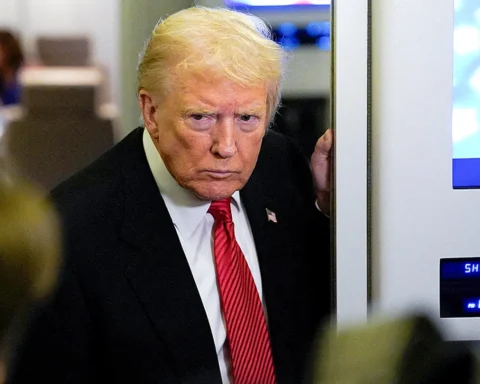
US President Donald Trump has repeatedly praised UAE leadership and previously pushed to expand the Abraham Accords across the region.
Meanwhile, Emirati officials insist their foreign policy decisions remain sovereign matters. Abu Dhabi also argues that its defense partnerships help maintain regional security.
Strait of Hormuz Increases the Stakes on Iran UAE Tensions
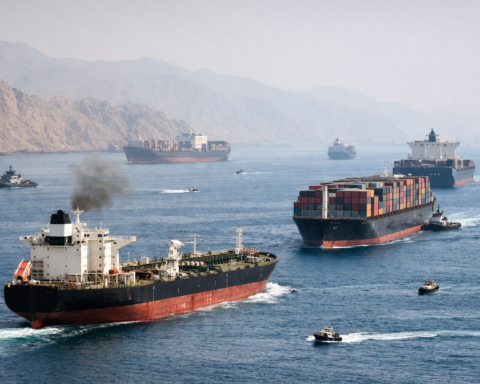
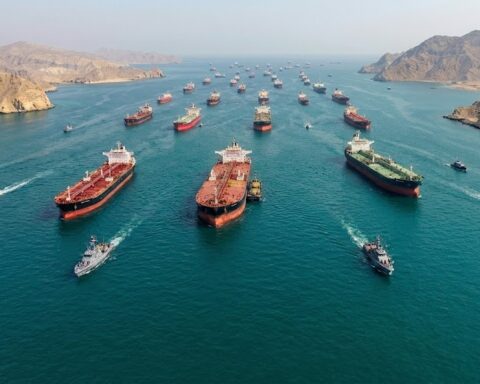
The Strait of Hormuz remains one of the world’s most sensitive waterways. A large share of global oil shipments passes through the narrow route every day.
Iran has repeatedly warned that any hostile activity near the strait could trigger retaliation.
The UAE’s Fujairah port has become especially important because it serves as a major oil and shipping hub outside the Gulf chokepoint. Iranian commanders recently claimed that vessels heading toward Fujairah fall within waters monitored by Iran.
That warning alarmed Gulf markets and shipping companies already concerned about regional instability.
Economic Fallout Is Hurting Iran
The worsening dispute also carries major economic consequences.
For years, Iranian businesses depended heavily on Emirati ports and financial networks to access international trade. However, recent restrictions disrupted many of those routes.
Iranian businesses now face:
- Higher import costs
- Slower trade routes
- Currency exchange problems
- Food inflation pressures
- Reduced shipping access
As a result, Tehran has started searching for alternative land trade routes through:
- Pakistan
- Iraq
- Türkiye
- Central Asian neighbors
Still, replacing UAE trade channels remains difficult because Dubai long served as a major commercial gateway for Iranian merchants.
Did the UAE Directly Attack Iran?
Reports during the conflict fueled speculation that Emirati aircraft may have participated in operations against Iranian targets. Some Iranian media outlets circulated claims involving UAE-operated fighter jets and drones.
However, Emirati officials strongly denied those accusations.
Iranian authorities have also stopped short of officially confirming direct UAE involvement. Even so, state-linked analysts and television programs continue pointing toward possible Emirati participation.
At the same time, Iran launched missiles and drones toward several Gulf countries after attacks on its territory. The UAE faced some of the heaviest strikes outside Israel during the confrontation.
Iran UAE Tensions Could Reshape Gulf Politics
The growing hostility between Tehran and Abu Dhabi could reshape power balances across the Gulf.
The UAE continues strengthening defense ties with Western allies and Israel. Meanwhile, Iran increasingly frames those partnerships as direct security threats.
Several key risks now remain in focus:
- Wider military escalation in the Gulf
- Threats to oil shipping routes
- Economic disruption across the region
- Expanded US military involvement
- Rising tensions between Iran and Arab Gulf states
Despite the hostile rhetoric, both countries still understand the economic and strategic costs of a larger regional war.
However, continued accusations and military warnings could increase the risk of miscalculation in one of the world’s most sensitive energy corridors.