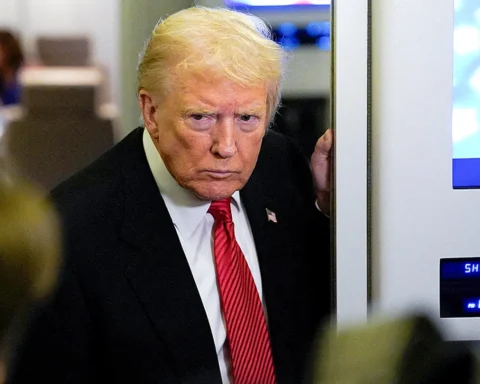
Hormuz talks dominated the United States President Donald Trump and Chinese President Xi Jinping discussion during high-level talks.
As tensions continue to disrupt one of the world’s most critical shipping lanes.
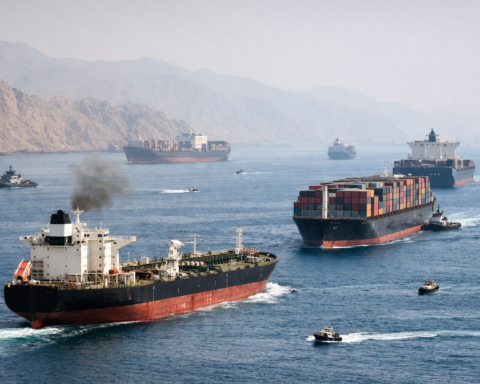
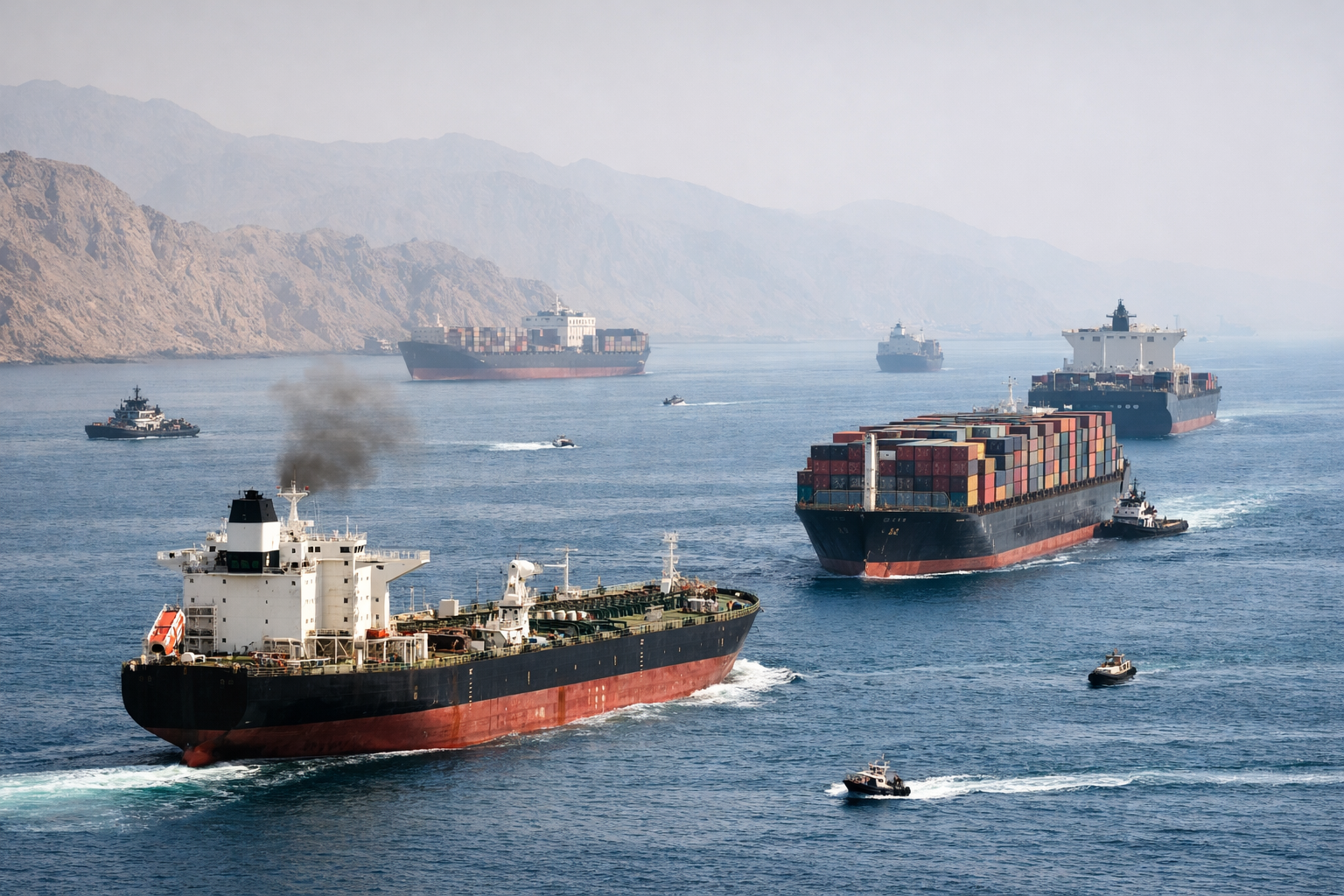
The Hormuz talks came as Chinese vessels moved through the strategic waterway under special arrangements with Tehran.
Meanwhile, Washington continued enforcing naval restrictions linked to the US-Israel conflict with Iran.
Trump and Xi Focus on Hormuz talk Stability
The White House described Thursday’s meeting between Trump and Xi as productive and focused heavily on maritime security and global energy stability.
Both leaders agreed that the Strait of Hormuz must remain open to international shipping. However, Beijing also warned against increasing military pressure in the Gulf.
China reportedly opposed:
- Militarisation of the Strait of Hormuz
- Additional transit tolls on commercial ships
- Actions that could disrupt global oil supplies
The discussions reflected growing international concern over rising instability in the Middle East.
Why the Strait of Hormuz Matters
The Strait of Hormuz remains one of the world’s most important energy corridors. Nearly one-fifth of global oil exports normally pass through the narrow waterway.
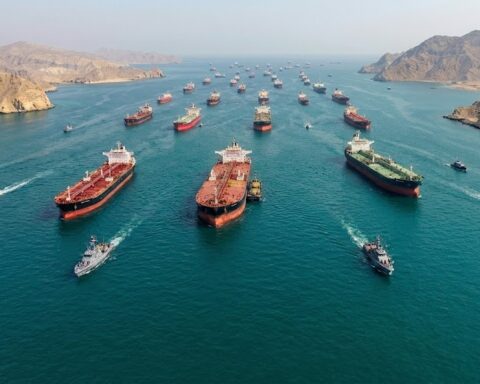
However, the ongoing US-Israel conflict with Iran has dramatically reduced commercial traffic.
Iran has tightened naval controls in the region while allowing limited passage for selected vessels. As a result, global fuel prices and shipping insurance costs have increased sharply.
Key facts about the waterway
- The Strait connects the Persian Gulf to global shipping routes
- Major oil exporters depend on the passage daily
- China imports large amounts of Gulf energy supplies
- The US Navy maintains a heavy military presence nearby
Consequently, any disruption immediately affects global markets.
Chinese Vessels Continue Transit amid Hormuz talks
Shipping data showed a Chinese tanker crossing the Strait of Hormuz earlier this week despite heightened tensions.
Iranian state-linked media also reported that Tehran reached understandings allowing some Chinese vessels to transit safely.
Meanwhile, Iran’s state broadcaster IRIB reported that roughly 30 vessels crossed the waterway within a single day.
US Treasury Secretary Scott Bessent indicated Beijing could play a larger diplomatic role in keeping shipping lanes operational.
According to US officials, China has strong economic reasons to avoid a prolonged closure of the strait.
US Expands Naval Enforcement Operations
At the same time, US Central Command expanded maritime enforcement operations across the Gulf.
CENTCOM announced that American forces had:
- Redirected 70 vessels
- Disabled four ships linked to sanctions violations
- Increased monitoring near Iranian-controlled waters
Washington argues the operations are necessary to enforce sanctions and protect commercial shipping.
However, Tehran views the naval presence as an act of economic warfare.
Attacks on Ships Raise Alarm
Fresh maritime incidents further increased fears of escalation.
Authorities reported that armed personnel seized a vessel anchored near Fujairah in the United Arab Emirates before forcing it toward Iranian waters.
Separately, an Indian cargo vessel sank near Oman after a suspected drone or missile attack triggered a fire onboard.
All crew members survived after rescue teams intervened.
Although no group claimed responsibility, the incidents deepened concerns about security across Gulf shipping lanes.
Iran Introduces New Shipping Rules
Iranian officials are now creating stricter transit procedures for ships seeking passage through the Strait of Hormuz.
According to Iranian media reports, vessels may now need to provide:
- Cargo information
- Ownership records
- Route details
- Transit schedules
Iranian authorities also warned that ships considered hostile could lose access to the waterway.
The measures signal Tehran’s effort to tighten control over one of the world’s most strategic maritime choke-points.
Peace Negotiations Still Stalled
Despite the Hormuz talks between Trump and Xi, negotiations between Washington and Tehran remain deadlocked.
The United States continues demanding restrictions on Iran’s nuclear program and the transfer of enriched uranium stockpiles.
Iran, meanwhile, wants:
- An end to sanctions
- Recognition of its regional security role
- Acceptance of its authority around the Strait of Hormuz
Neither side has shown willingness to compromise publicly.
As tensions rise, global powers continue watching the Gulf closely, fearing that another military confrontation could severely disrupt world energy supplies and deepen economic instability worldwide.