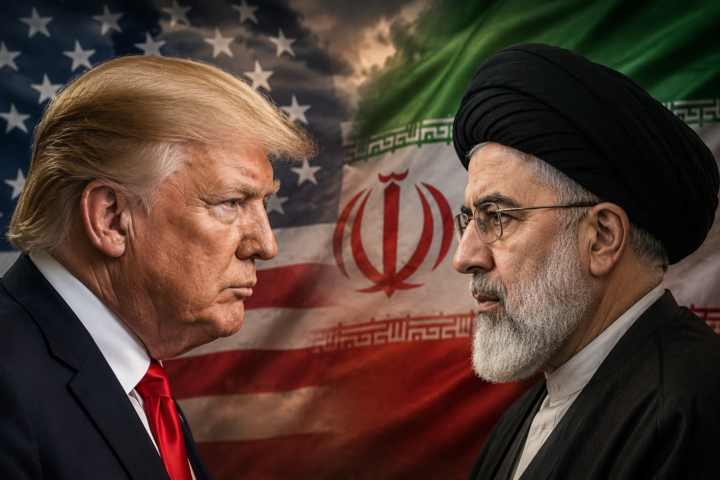
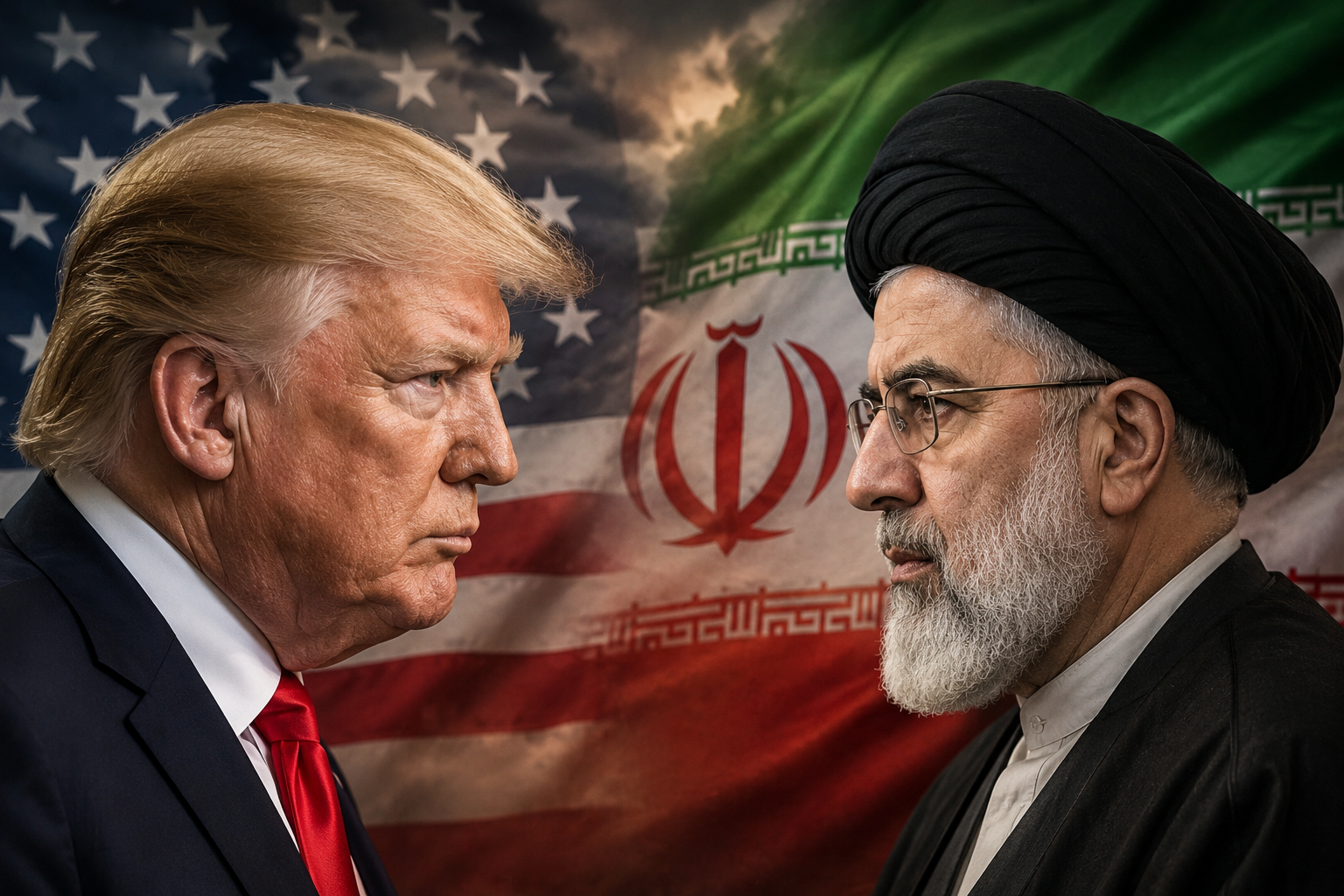
Iran talks delayed after Tehran postponed planned negotiations with the United States in Switzerland amid escalating Israeli military operations in Lebanon.
The talks were expected to address technical details of a recently signed ceasefire framework between Washington and Tehran.
The postponement marks an early setback for diplomatic efforts launched after the United States and Iran agreed to a 14-point memorandum of understanding earlier this week.
Meanwhile, growing violence in southern Lebanon has added fresh uncertainty to the negotiation process.
Iran Talks Delayed Amid Growing Regional Tensions
Swiss officials confirmed on Friday that the scheduled meeting at the Burgenstock Resort near Lucerne would not proceed as planned.
Reports indicate that Iran delayed sending its delegation because of Israel’s ongoing military campaign in Lebanon.
The development came as fighting intensified along the Lebanese border.
The Swiss Foreign Ministry announced that preparations for future negotiations would continue despite the postponement.
Key Developments
- Switzerland postponed the planned US-Iran meeting.
- Iran reportedly delayed participation because of developments in Lebanon.
- Qatar continues to support diplomatic mediation efforts.
- Officials have not announced a new date.
- Preparatory work for future talks remains underway.
Lebanon Fighting Complicates Diplomatic Efforts
The decision came after another round of Israeli military operations in southern Lebanon.
Reports indicated that at least 16 people were killed during overnight attacks. In addition, Hezbollah reported intense clashes in several locations.
As a result, regional tensions increased just as Washington and Tehran prepared to begin detailed discussions on implementing parts of their ceasefire framework.
Iran has repeatedly linked regional stability to Israel’s military presence in southern Lebanon.
At the same time, Israeli Prime Minister Benjamin Netanyahu maintained that Israeli forces would remain in a security zone for as long as security requirements demand.
White House Negotiation Plans Hit Unexpected Obstacle
The postponement interrupted a major diplomatic initiative led by the White House.
Vice President JD Vance had prepared to travel to Switzerland for direct discussions with Iranian officials.
White House staff, diplomatic teams and media crews had already arrived in the country ahead of the expected meeting.
However, plans changed abruptly on Thursday evening.
The White House later confirmed that officials could not finalize arrangements in time for the scheduled negotiations.
Administration officials noted that the logistics surrounding the talks remain complex and subject to rapid changes.
Qatar and Switzerland Continue Mediation Role
Qatar remains a key participant in efforts to facilitate dialogue between Washington and Tehran.
The negotiations were scheduled to take place at the Burgenstock Resort, which is owned by Katara Hospitality, part of Qatar’s sovereign wealth fund.
Swiss authorities reiterated their readiness to host the talks once all parties agree on a revised timetable.
Meanwhile, Pakistan Prime Minister Shehbaz Sharif also canceled his planned trip to Switzerland following the postponement.
What Comes Next After Iran Talks Delayed?
Despite the setback, neither Washington nor Tehran has indicated that negotiations have collapsed.
Instead, diplomatic teams are expected to continue discussions behind the scenes while monitoring developments in Lebanon.
The next phase of negotiations will likely depend on regional security conditions and whether both sides can agree on a new meeting date.
For now, the postponement highlights how quickly events on the ground can affect broader diplomatic efforts across the Middle East.
Key Takeaways
- Iran postponed planned negotiations with the United States in Switzerland.
- Israeli military operations in Lebanon contributed to the delay.
- Vice President JD Vance was expected to lead the US delegation.
- Switzerland and Qatar remain engaged in mediation efforts.
- Officials have not announced a replacement date.
- Regional tensions continue to influence diplomatic progress.