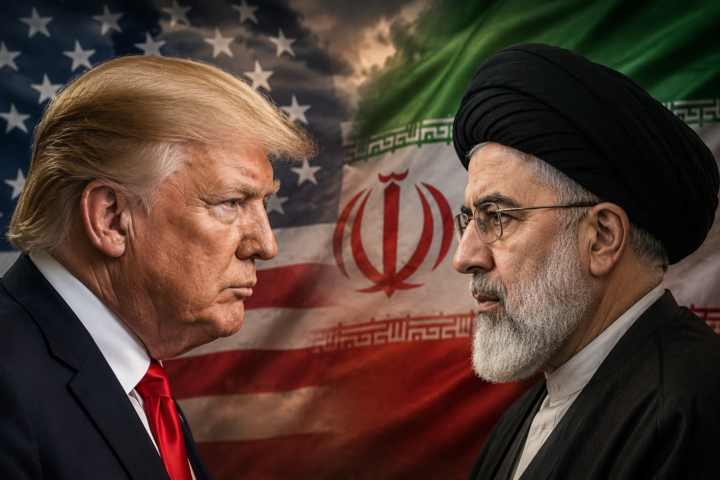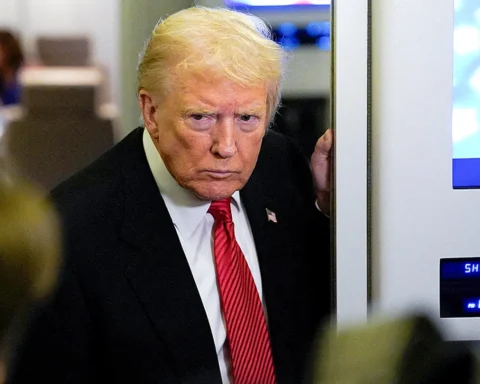
Iran US talks are under global focus after United States President Donald Trump claimed Washington is in contact with a senior Iranian official.
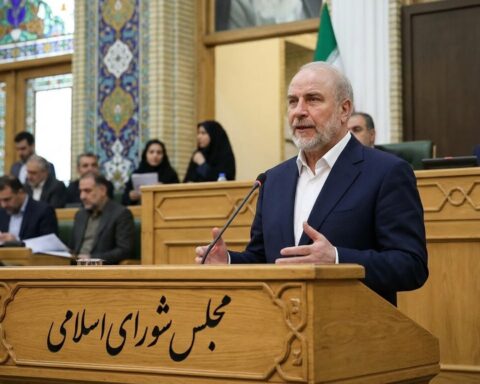
Reports point to Mohammad Bagher Ghalibaf, but Tehran has strongly denied any negotiations.
As Iran US talks dominate headlines, pressure is rising on the WHITE HOUSE, CONGRESS, and Iran’s leadership to clarify whether diplomacy is underway during the ongoing conflict.
Iran US talks: What Trump claims
Donald Trump announced a five-day pause in planned strikes on Iran’s power infrastructure. He also pointed to “productive conversations” aimed at ending hostilities.
Key points from Washington:
- US envoys reportedly contacted a senior Iranian official
- Trump declined to publicly name the official
- Reports linked talks to Mohammad Bagher Ghalibaf
- The pause in strikes appears tied to possible diplomatic efforts
However, the WHITE HOUSE has not confirmed full details of these contacts.
Iran US talks: Tehran rejects negotiations
Iranian officials quickly dismissed claims of any direct engagement.
- Iran’s Foreign Ministry rejected reports of talks
- Mohammad Bagher Ghalibaf denied contact with US officials
- Iranian leaders accused Washington of trying to calm oil markets
In Iran’s political system, any negotiation must pass through:
- The Supreme Leader
- The Supreme National Security Council
Without that approval, talks carry no official weight.
Who is Mohammad Bagher Ghalibaf?
Mohammad Bagher Ghalibaf plays a key role in Iran’s leadership structure.
Background and career
- Current Speaker of Iran’s Parliament (since 2020)
- Former commander in the IRGC air force
- Former national police chief
- Mayor of Tehran from 2005 to 2017
Political profile
- Ran for president multiple times
- Known for a hardline stance on US and Israel
- Holds strong influence in Iran’s political and security circles
His position makes him important, but not the final authority on foreign policy.
Iran US talks: Ghalibaf’s stance during the war
Mohammad Bagher Ghalibaf has taken a tough position throughout the conflict.
- He criticized US military actions
- He warned against foreign economic pressure
- He signaled support for retaliation against adversaries
Most recently, he rejected reports of talks and emphasized unity behind Iran’s leadership.
Iran US talks: Why negotiations may still happen
Despite denials, analysts point to rising pressure on both sides.
Pressure on Washington
- Concerns over rising oil prices
- Pressure from allies in Europe and Asia
- Political risks ahead of US elections
Pressure on Tehran
- Ongoing military strikes
- Risk to energy and infrastructure
- Economic strain from prolonged conflict
Mediation efforts
Several countries are quietly engaging:
- Saudi Arabia
- Egypt
- Pakistan
- Turkiye
- China
These channels could open the door to future dialogue.
Iran US talks: What comes next
The situation remains uncertain, but several outcomes are possible:
- Short-term de-escalation through informal contacts
- Limited confidence-building steps
- Continued conflict if talks fail
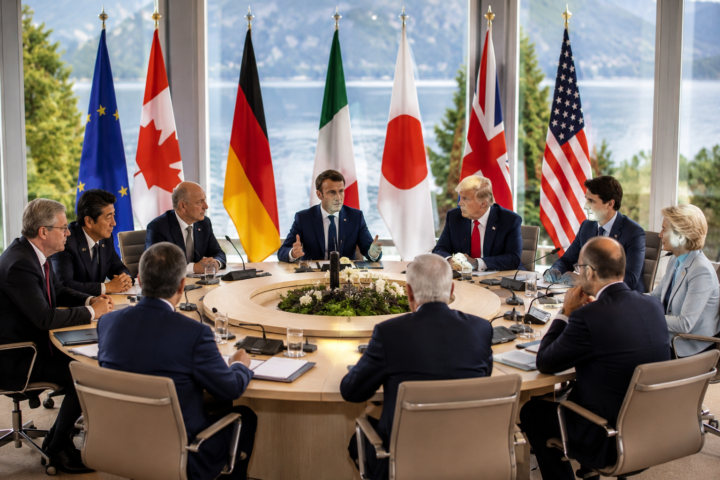
Differences between the WHITE HOUSE, CONGRESS, and regional allies could also shape the outcome.