RIYADH — Saudi Arabia condemns Israeli West Bank land measures after Israel’s cabinet approved new steps to tighten control over territory in the occupied West Bank.
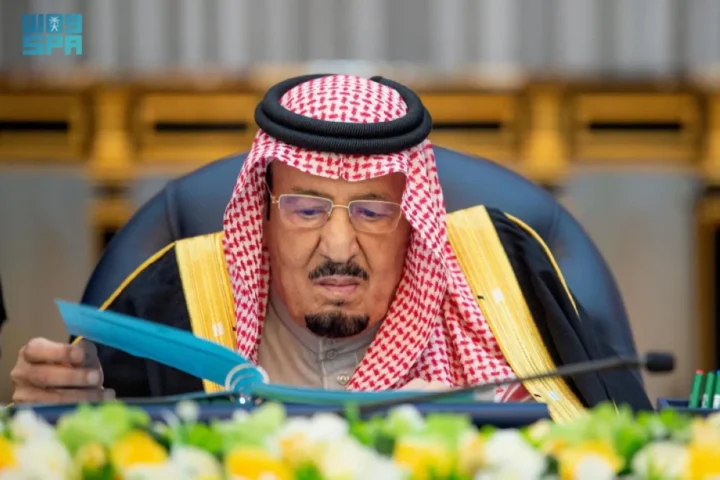
Saudi Arabia’s Foreign Ministry criticized Israel’s decision to reclassify land as “state lands” under Israeli control.
The ministry stated that the measures aim to impose a new legal and administrative reality in the occupied Palestinian territory.
The Kingdom warned that the decision threatens regional stability and undermines international efforts toward peace.
What Israel Approved
Israel’s cabinet voted to:
- Begin a land registration process in the West Bank for the first time since 1967
- Reclassify certain lands under Israeli state control
- Make it easier for Israeli settlers to purchase land
Israeli officials describe the move as a security and administrative step.
However, Palestinian leaders and international groups view it as a de-facto annexation.
Far-right Finance Minister Bezalel Smotrich described the policy as strengthening Israel’s hold across the territory. Defense Minister Israel Katz framed it as necessary for security.
Saudi Arabia’s Position on the West Bank
Saudi Arabia reaffirmed:
- Israel holds no sovereignty over occupied Palestinian territory
- The measures violate international law
- The actions undermine the two-state solution
- Palestinians retain the right to establish an independent state
The Kingdom reiterated support for a Palestinian state based on June 4, 1967 borders, with East Jerusalem as its capital.
Officials stressed that unilateral measures complicate diplomatic efforts and increase tensions across the region.
Palestinian and International Reaction
The Palestinian presidency labeled the move a step toward formal annexation. It warned that the decision could entrench settlement expansion.
Israeli settlement watchdog Peace Now cautioned that the policy could lead to Palestinian dispossession across large portions of the West Bank.
Meanwhile:
- The United Nations’ highest court issued a 2024 advisory opinion stating Israel’s occupation and settlements are illegal under international law.
- Israel disputes that assessment.
- The United States ruled out formal annexation but has not actively blocked settlement growth.
Political Context in Israel
Prime Minister Benjamin Netanyahu faces elections later this year. His coalition includes parties that support expanded settlement activity.
The West Bank remains central to the Israeli-Palestinian conflict. Israel captured the territory in the 1967 war.
Today, Israel maintains military control over much of the area, while the Palestinian Authority governs limited zones.
Regional Stability at Stake
Saudi Arabia linked the Israeli land measures to broader regional security concerns.
The Kingdom emphasized that long-term peace requires adherence to international law and a negotiated political solution.
The latest development adds strain to diplomatic efforts across the Middle East, where tensions remain high over Gaza, settlements, and final-status negotiations.