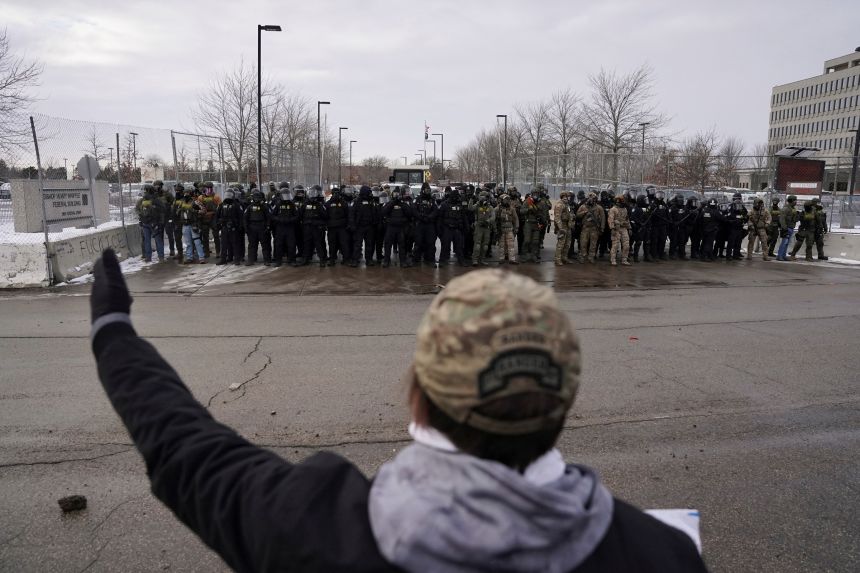
MINNEAPOLIS — The fatal shooting of 37-year-old ICU nurse Alex Pretti by U.S. Border Patrol agents during a protest against a federal immigration crackdown ignited nationwide outrage.
This shooting also brought an unlikely rift within the gun rights movement. The division is exposing deep fractures over the Second Amendment defense when federal law enforcement confronts armed civilians.
Pretti, a lawful concealed-carry permit holder and longtime Minneapolis resident, was killed Jan. 24 amid tensions. Tensions surrounding the Trump administration’s aggressive deployment of ICE and Border Patrol agents under “Operation Metro Surge.”
Federal authorities quickly justified the shooting by asserting Pretti “approached U.S. Border Patrol officers with a handgun,” while local videos reviewed by news outlets appear to show him holding only a cell phone and being pinned to the ground when another agent fired.
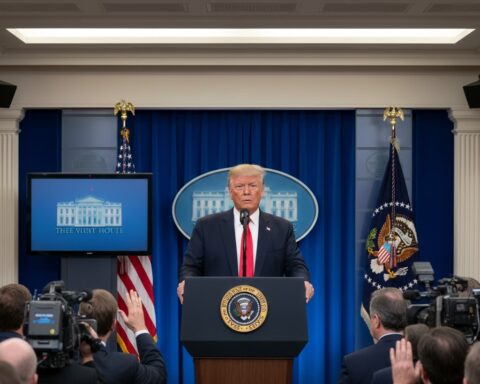
President Trump, speaking in a recent interview, criticized Pretti for bringing a firearm to a volatile protest.
He said, “I don’t like it when somebody goes into a protest and he’s got a very powerful, fully loaded gun with two magazines… that doesn’t play well either.”
That stance has struck many Second Amendment advocates as deeply contradictory.
Especially coming from an administration that has previously celebrated armed self-defense in other protest contexts, including support for individuals like Kyle Rittenhouse.
Rittenhouse was acquitted after fatally shooting two men during a 2020 racial justice protest in Kenosha, Wisconsin.
Gun Rights Groups Lash Out at Administration Rhetoric
Some of the nation’s most prominent gun rights organizations have condemned the way federal officials framed the Pretti shooting.
The National Rifle Association slammed Department of Homeland Security officials’ emphasis on Pretti’s handgun as “dangerous and wrong.”
Arguing that merely carrying a firearm even in a tense protest does not justify lethal force without clear evidence of a violent attack.
The Gun Owners of America echoed that view, stressing that the Second Amendment protects Americans’ right to bear arms while protesting. A right the federal government must not infringe upon.
The Gun Owners Caucus of Minnesota also objected to comments from DHS Secretary Kristi Noem implying Pretti was to blame for his own death simply for having a gun.
The GOCM president described that position as “fundamentally wrong,” insisting lawful gun owners should not be viewed as presumptive aggressors.
These groups argue that federal agents’ characterization of a lawful permit holder at a protest sets a dangerous precedent. One that undermines decades of pro-gun rhetoric from conservative politicians and public officials.
Some Conservatives Push Back
Yet not all voices on the right are uniform in their critique.
A smaller segment of gun rights activists and Republican lawmakers stopped short of outright opposing the administration’s broader immigration strategy.
Instead, they call for more measured language and due process before assigning blame.
Reports suggest that, “carrying a firearm is a Constitutionally protected right, and those rights don’t disappear when you exercise your other rights,” urging a full, transparent investigation into Pretti’s death.
A Moment of Reckoning
Analysts say the Pretti case has become a litmus test for the conservative movement at large.
Whether unwavering support for Second Amendment rights can endure when federal forces and permit holders come into conflict on politically charged terrain.
“This is a prove-it moment for gun rights activists,” one commentator wrote in The Washington Post.
Noting that the incident forces gun advocates to confront uncomfortable questions about when self-defense ends and when perceived threats to public order begin.
As protests continue in Minneapolis and across the country, and as investigations into the shooting proceed, the debate within gun rights circles is likely to intensify.
Forcing politicians and activists alike to clarify what they truly mean when they invoke America’s foundational right to bear arms.