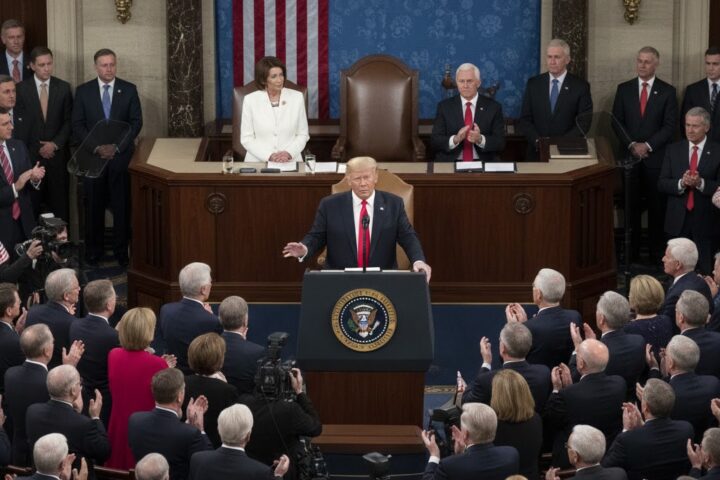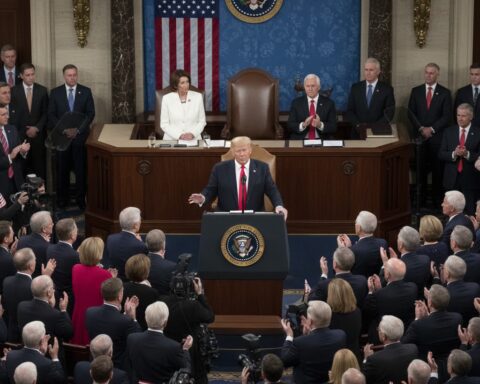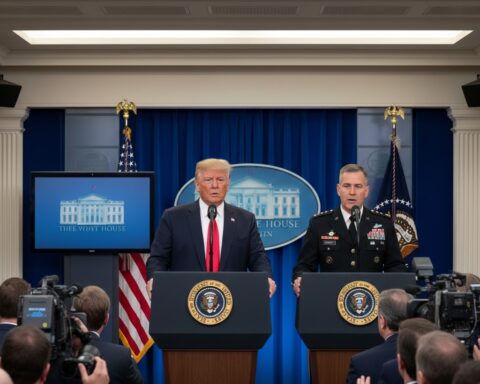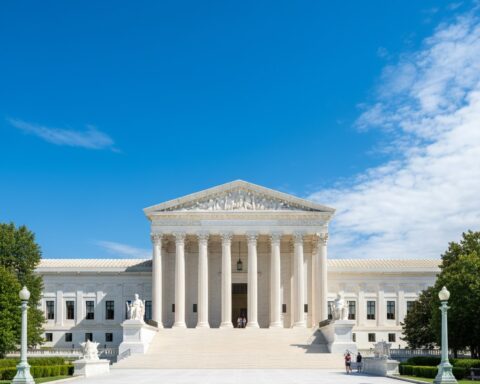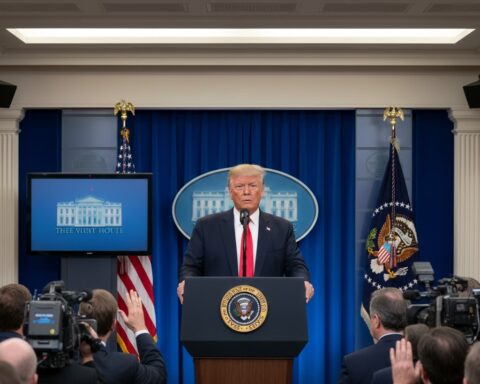

The Supreme Court strikes down Trump IEEPA tariffs 2026 in a 6-3 ruling.
The court said President Donald Trump does not have the power to impose global tariffs under the International Emergency Economic Powers Act (IEEPA).
Chief Justice John Roberts wrote that Congress and not the White House controls tariff authority.
Within hours, Trump announced a new 15% global tariff under Section 122 of the Trade Act of 1974.
The new tariff takes effect February 24.
Why the Supreme Court Blocked the Tariffs
The case is called Learning Resources v. Trump. Small businesses and several states filed the lawsuit.
The court ruled that IEEPA allows a president to “regulate” trade during an emergency. However, it does not allow the president to impose tariffs.
The court made three key points:
- IEEPA does not mention tariffs anywhere in the law.
- No president before Trump used IEEPA to impose tariffs.
- Major economic actions require clear approval from Congress.
Six justices agreed. Three justices dissented.
Which Trump Tariffs Were Struck Down
The ruling only blocks tariffs imposed under IEEPA.
Struck Down:
- “Liberation Day” tariffs on most countries
- Special tariffs on Canada, Mexico, and China
Still in Effect:
- Steel and aluminum tariffs
- Section 232 national security tariffs
- Section 301 tariffs on unfair trade practices
According to Yale Budget Lab, the average U.S. tariff rate drops sharply after the ruling.
Trump Responds With New 15% Tariff
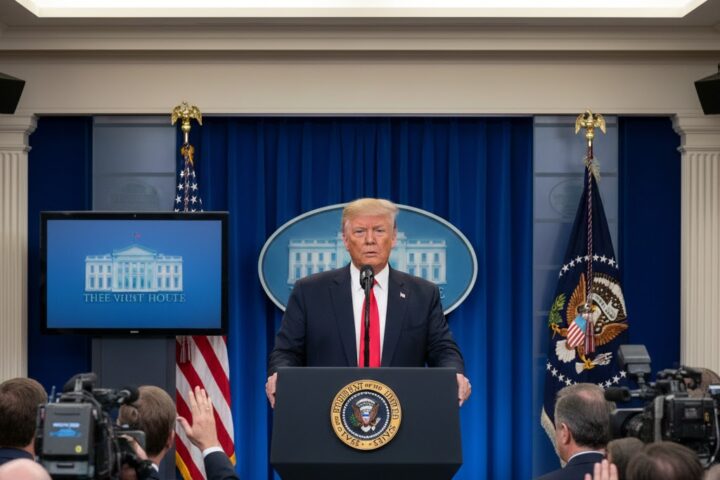
Trump called the ruling disappointing. He quickly announced a new global tariff under Section 122.
He first set it at 10%. By Saturday, he raised it to 15%.
Section 122 allows temporary tariffs for 150 days. Congress must extend them after that.
What Section 122 Means
Section 122 is different from IEEPA.
It has limits:
- Tariffs expire after 150 days unless Congress extends them.
- It is meant for balance-of-payments issues.
- Legal experts expect new lawsuits soon.
Businesses now face more uncertainty.
$175 Billion in Refunds at Stake
The government collected billions under the IEEPA tariffs.
Experts estimate more than $175 billion may now require refunds.
However, refunds will take time. Importers paid the tariffs at the border. Many already passed costs to customers.
Courts will decide how refunds move forward.
Markets and Businesses React
Stock markets rose after the ruling. Investors welcomed the court’s limits on tariff power.
Business groups praised the decision. Some called it a win for stability and fairness.
However, Trump’s new 15% tariff caused fresh concern.
In conclusion, several key dates matter:
- February 24: New 15% tariff takes effect.
- Lower courts begin refund cases.
- Congress must decide whether to extend Section 122 tariffs.
- New lawsuits are expected.
The Supreme Court strikes down Trump IEEPA tariffs 2026 ruling reshapes U.S. trade policy. However, the tariff fight is far from over.