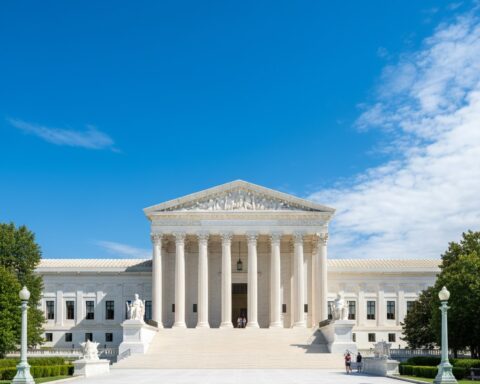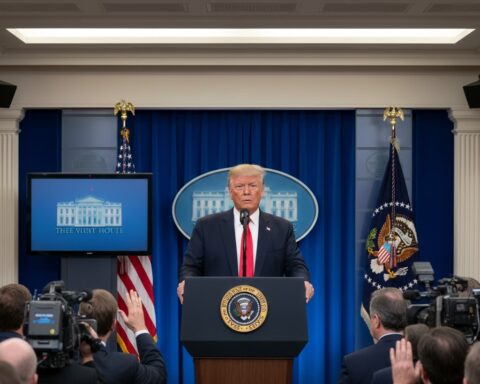
WASHINGTON, D.C. — The Supreme Court strikes down Trump tariffs under IEEPA, ruling that President Donald Trump exceeded his authority when he imposed sweeping import taxes using the International Emergency Economic Powers Act (IEEPA).
The decision limits the White House’s use of emergency powers to levy tariffs on nearly every trading partner.
As a result, the ruling reshapes trade policy, federal revenue projections, and the administration’s economic strategy ahead of the midterm elections.
Here are seven key things to know.
1. Tariffs Raised Billions — But Less Than Claimed
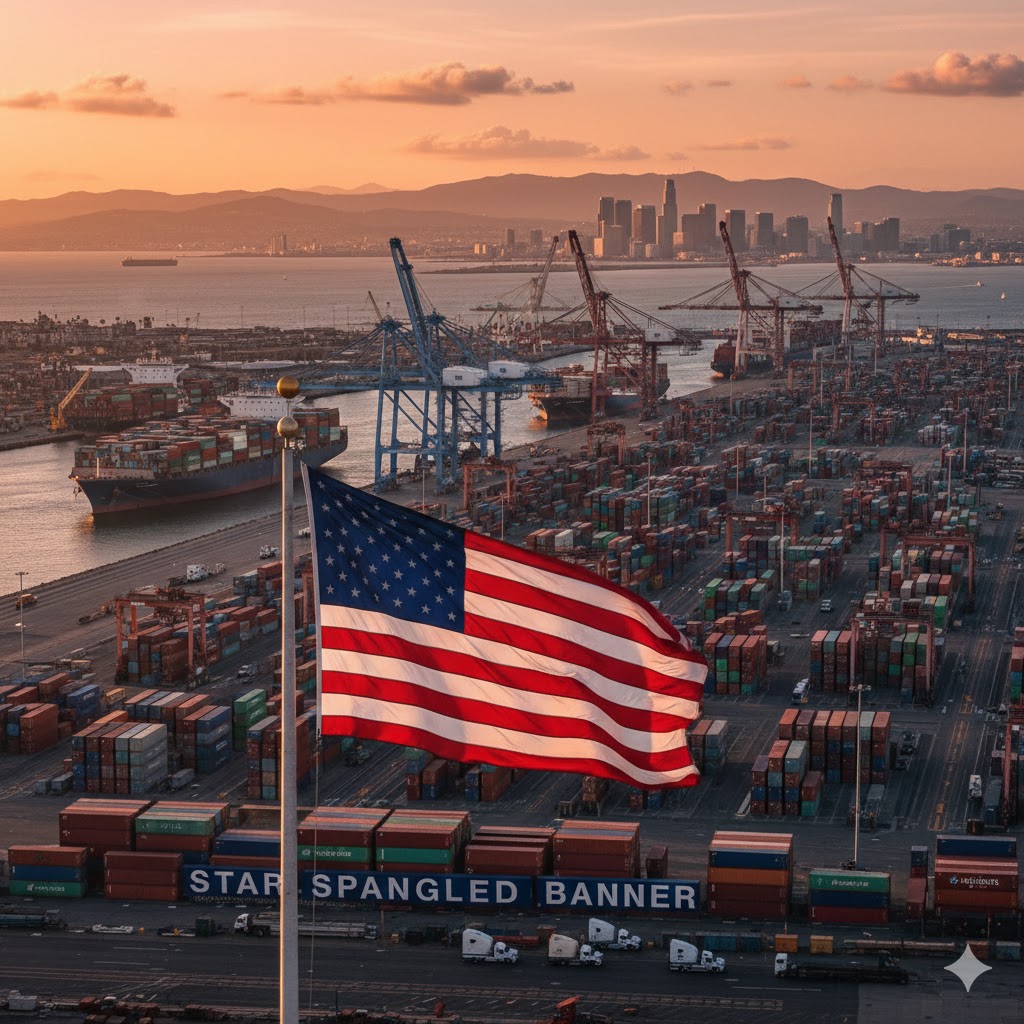
Before the ruling, the federal government collected roughly $30 billion per month in tariffs — about four times pre-2025 levels.
However:
- Tariffs accounted for just over 5% of total federal revenue.
- Exemptions reduced collections on products like coffee and bananas.
- Importers shifted sourcing away from higher-tariff countries such as China.
Although tariff revenue increased significantly, it remained a small share of overall government funding.
2. U.S. Businesses Bore Most of the Cost
Economic research indicates U.S. importers paid most of the tariff burden.
A working paper by economists Gita Gopinath and Brent Neiman found that:
- U.S. businesses absorbed much of the cost.
- Some firms passed higher costs to consumers.
- Foreign suppliers did not shoulder the majority of the burden.
As a result, tariffs functioned largely as a domestic tax on imports.
3. The Court Targeted Tariffs Imposed Under IEEPA
The Supreme Court strikes down Trump tariffs under IEEPA specifically — a 1970s statute designed for national emergencies.
IEEPA does not explicitly authorize tariff imposition.
The justices determined that using the law to levy broad import taxes exceeded presidential authority.
These IEEPA tariffs represented roughly half of total tariff collections. Other tariffs issued under different statutes remain unaffected.
4. Refunds Could Be Complicated but Possible
If lower courts finalize the ruling, importers may seek refunds for unlawfully collected tariffs.
Key considerations include:
- Customs records track payments digitally.
- The government may waive filing deadlines.
- The refund process would require administrative coordination.
Although the process could prove cumbersome, trade attorneys indicate it remains manageable.
5. Alternative Tariff Tools Exist But With Limits
The White House retains other legal pathways to impose tariffs. However, those options come with constraints.
For example:
- Section 122 of the Trade Act of 1974 permits tariffs up to 15% for 150 days.
- Section 301 of the Trade Act requires investigation by the U.S. Trade Representative.
- Section 232 of the Trade Expansion Act of 1962 requires national security findings from the Commerce Department.
Unlike IEEPA, these laws demand formal investigations and procedural steps.
6. Political Pressure May Shape the Next Move
Economic approval ratings remain fragile. Meanwhile, voters continue to cite affordability concerns.
The White House has already rolled back certain import taxes to reduce pressure on consumer prices.
However, President Trump has consistently defended tariffs as a negotiation tool. Therefore, additional trade actions remain possible though likely narrower in scope.
7. Manufacturing Revival Has Not Materialized
The administration argued that higher tariffs would revive U.S. manufacturing.
Yet recent data shows:
- U.S. factories shed 108,000 jobs in 2025.
- Manufacturing output remained sluggish.
- Many factories rely on imported components affected by tariffs.
Industry surveys indicate that higher input costs have strained operations rather than stimulated expansion.
Broader Impact of the Supreme Court Decision
The Supreme Court strikes down Trump tariffs under IEEPA in a decision that reinforces constitutional limits on executive authority.
The ruling:
- Restricts emergency-based trade powers.
- Shifts tariff strategy back to Congress and statutory processes.
- Raises uncertainty over future trade negotiations.
Ultimately, the decision forces the administration to recalibrate its trade policy approach.