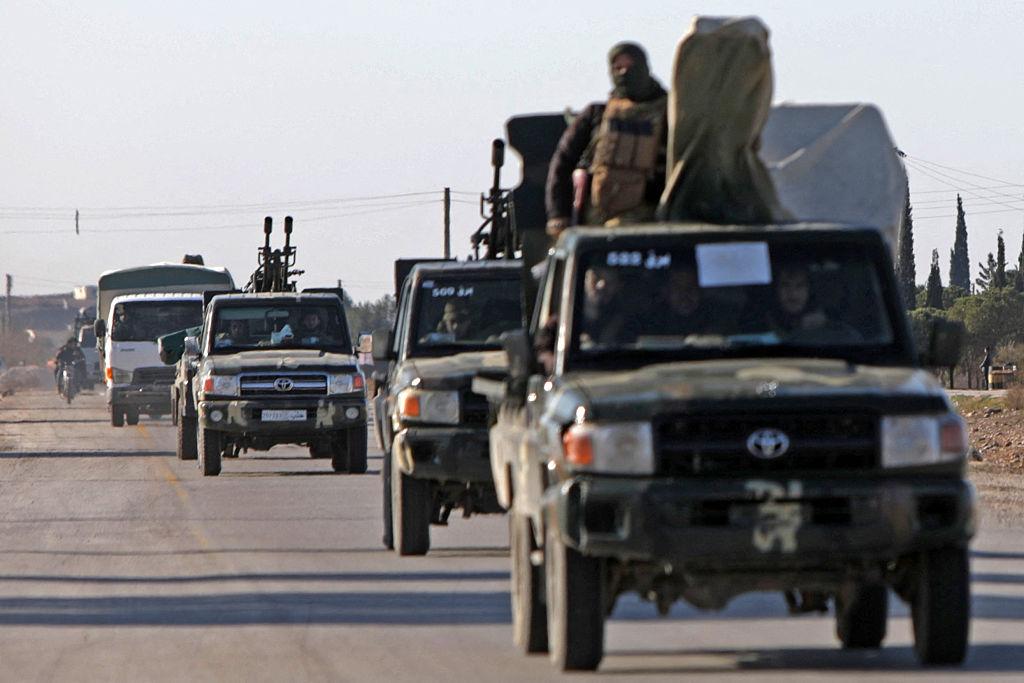
Syrian government forces took control of large areas in northern Syria after a fast military operation that lasted two days.
The advance ended more than ten years of Kurdish control in key regions and shifted power back to Damascus.
The operation gave the Syrian state control of major cities, oil fields, and key infrastructure.
- Areas captured include Raqqa, once held by the Islamic State group,
- Parts of Deir Ezzor
- Aleppo provinces.
Fast Advance Changes Control on the Ground
The offensive began early Saturday. Syrian troops moved quickly, supported by local Arab tribal fighters.
Kurdish-led forces, known as the Syrian Democratic Forces, pulled back as government units entered towns and cities.
By Sunday, videos showed armed groups celebrating in central Raqqa. Syrian forces set up checkpoints and secured public buildings.
The SDF reported its fighters withdrew to avoid wider fighting.
The push spread across several provinces, including areas near the Iraqi border.
In some places, Kurdish forces left positions without resistance as Syrian troops advanced beyond earlier withdrawal lines.
Oil, Power, and Water Facilities Seized
The takeover gave Damascus control of important economic assets.
Syrian forces now hold:
- Major oil and gas fields in eastern Syria
- Two hydroelectric dams on the Euphrates River
- Water systems that serve large parts of the country
The al-Omar oil field, Syria’s largest, is now under government control. Officials say these resources are vital for rebuilding the economy after years of war.
The Energy Ministry said power stations can produce large amounts of electricity once repairs are complete.
Deal Ends Fighting but Ends Kurdish Autonomy
On Sunday, Syrian leaders said they reached an agreement with the SDF to stop the fighting.
Under the deal:
- The government takes control of Raqqa and Deir Ezzor
- All oil and gas fields return to state control
- Borders and detention sites move under Damascus authority
The SDF confirmed it would withdraw forces to Hasakah province. Talks are expected to continue in Damascus.
The agreement also ends the Kurdish-run local administration. Civil offices in Kurdish areas will now report to the central government.
Local Arab Groups Back Government Move
In several towns, Arab residents welcomed Syrian forces. Some locals said they felt pushed aside under Kurdish rule.
Residents in al-Tabqa and Raqqa reported they wanted security and stability. Syrian state media reported that community leaders supported the return of government control.
Ethnic tensions between Arab and Kurdish communities have existed for years in the region.
Talks Failed Before Fighting Began
The offensive followed months of failed talks between Damascus and Kurdish leaders.
The Syrian government rejected demands for regional autonomy.
Officials said Syria must remain a single state with one army and one government.
Kurdish leaders wanted to keep their forces and local authority.
On Friday, the SDF agreed to leave parts of Aleppo province. When Syrian forces advanced further the next day, Kurdish defenses collapsed.
Concerns Over ISIS Prisoners
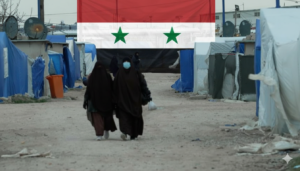
The changes raised concerns about camps and prisons holding Islamic State suspects and families.
The agreement says the Syrian state will take control of all detention sites. The status of al-Hol camp, which holds thousands of people, remains unclear.
U.S. officials said they continue to monitor extremist threats. U.S. Central Command reported airstrikes against militant targets over the weekend.
Kurds Feel Abandoned
Many Kurdish residents claim they feel left behind after years of cooperation with the United States against ISIS.
The SDF lost thousands of fighters during the war against the extremist group. Residents now question what role Kurdish forces will have in Syria’s future.
Experts say the deal weakens Kurdish political goals and forces them back under state control.
What Comes Next
The takeover strengthens Syria’s central government and restores control over valuable land and resources.
For Kurdish communities, the future remains uncertain. The coming weeks will show whether the agreement holds and whether stability returns to the region.
Security experts warn that disorder during transitions could allow extremist groups to regroup if control weakens.