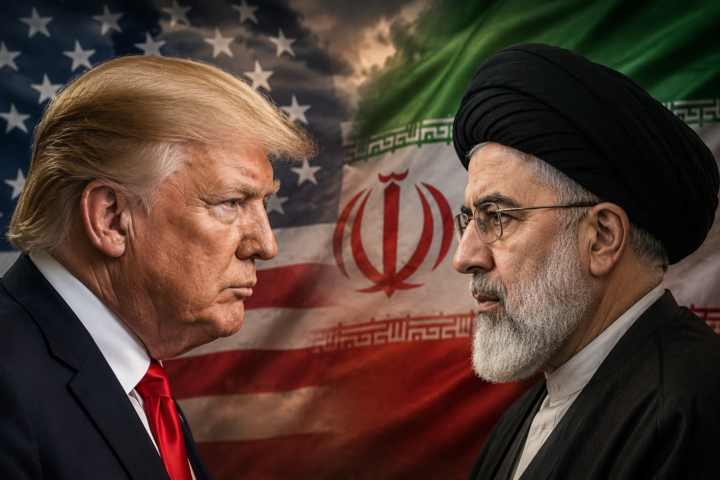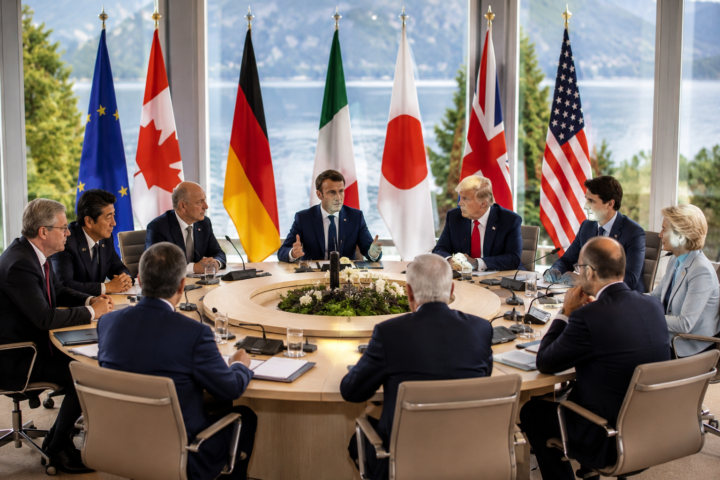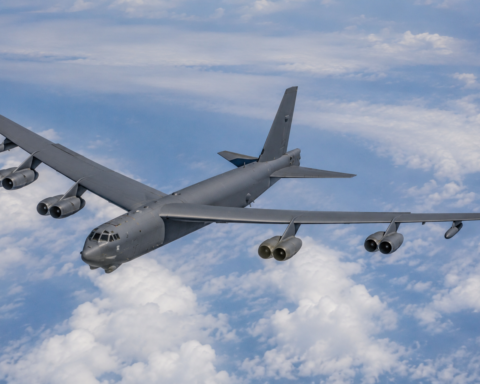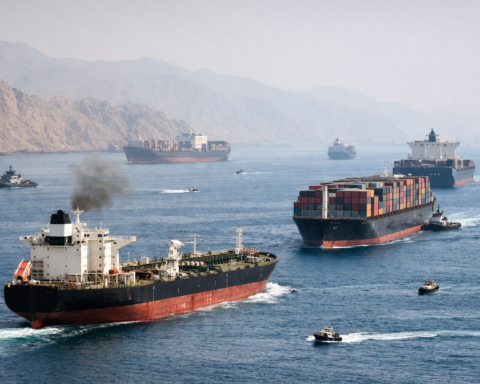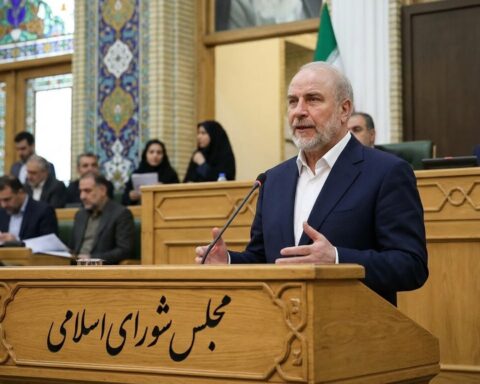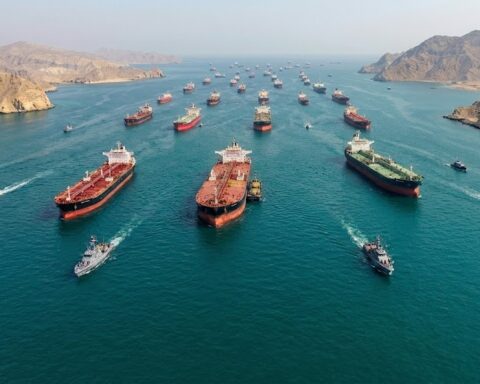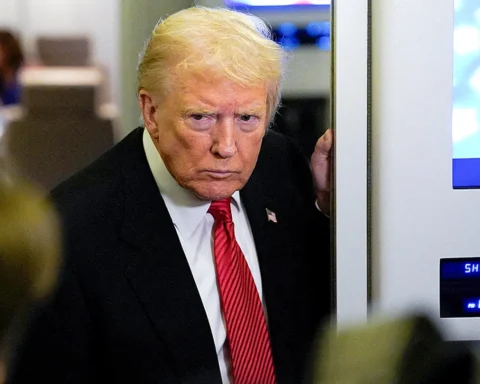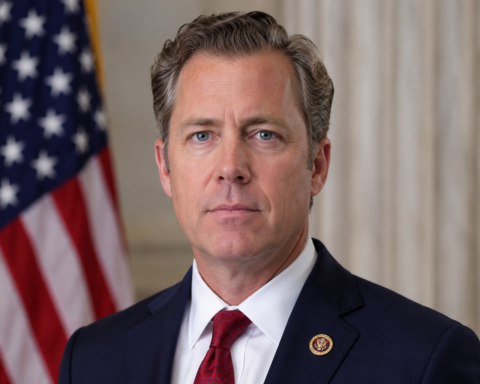
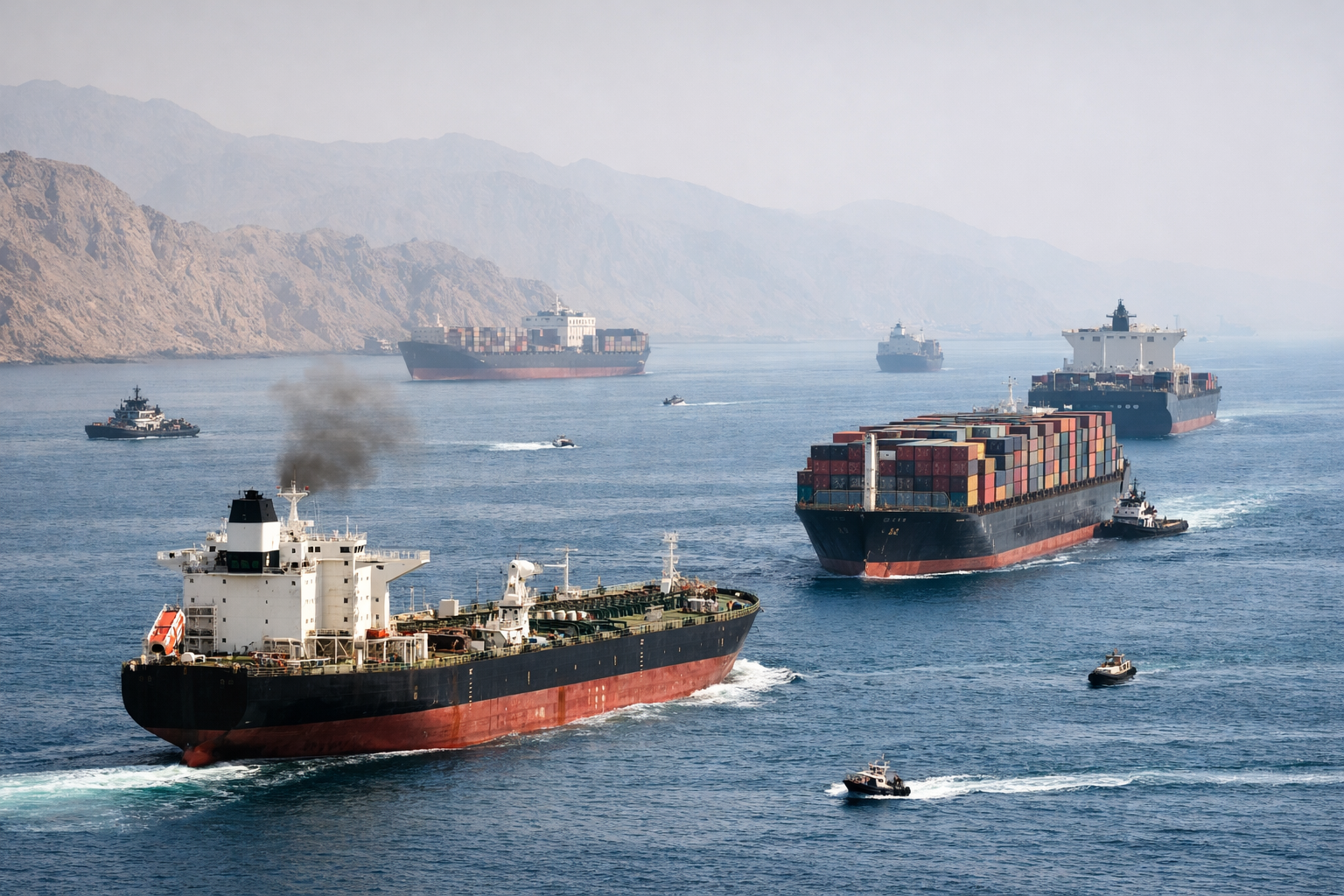
Trump Hormuz blockade has begun after US-Iran peace talks collapsed in Pakistan, escalating tensions across the Middle East.
In the first hours after the breakdown, Donald Trump ordered the US Navy to act immediately.
The decision follows failed negotiations involving officials from the White House, Iranian leadership, and regional mediators. As a result, fears of a wider conflict are rising fast.
US Moves to Control Strait of Hormuz
The blockade targets the Strait of Hormuz, one of the world’s most critical oil routes.
Key actions announced include:
- Intercepting vessels entering or leaving the strait
- Targeting ships accused of paying transit fees to Iran
- Deploying naval units to remove suspected sea mines
- Expanding operations with allied naval support
As tensions grow, officials within the US Congress and defense agencies warn of serious risks.
Iran Responds With Warnings
Iran reacted quickly. The Islamic Revolutionary Guard Corps warned that any foreign military presence near the strait would face consequences.
Meanwhile:
- Civilian vessels may pass under strict conditions
- Military ships risk direct confrontation
- Iran continues limited control of shipping lanes
This response raises fears of accidental clashes that could spiral into open conflict.
Oil Markets and Global Economy at Risk
The blockade is already shaking global markets. The Strait carries nearly 20% of global oil supply. Even small disruptions can cause sharp price spikes.
Immediate impacts include:
- Rising fuel prices worldwide
- Shipping delays and insurance costs surging
- Supply chain disruptions across Asia and Europe
Energy analysts warn this could become the worst crisis since the 1970s oil embargo.
Diplomacy Collapses Despite Pressure
The talks in Pakistan had raised hopes. Mediators worked to bridge gaps between Washington and Tehran. However, the nuclear issue remained unresolved.
Officials connected to the CIA and diplomatic channels noted:
- Disagreements over uranium enrichment persisted
- Trust between both sides remained low
- Military pressure replaced negotiation efforts
As talks ended, diplomacy gave way to confrontation.
Global Leaders Urge Calm
International voices are now calling for restraint.
Key concerns include:
- Risk of full-scale regional war
- Threat to global energy stability
- Impact on civilian shipping and safety
Allies in Europe and the Gulf are pushing for renewed dialogue before the situation worsens.
What Happens Next
The situation remains volatile. Military movement is increasing. Markets are reacting in real time.
What to watch:
- Whether Iran escalates naval activity
- If the US expands the blockade further
- Emergency talks led by global powers
- Oil price movements in the coming days
The coming days will shape whether this crisis cools or explodes.