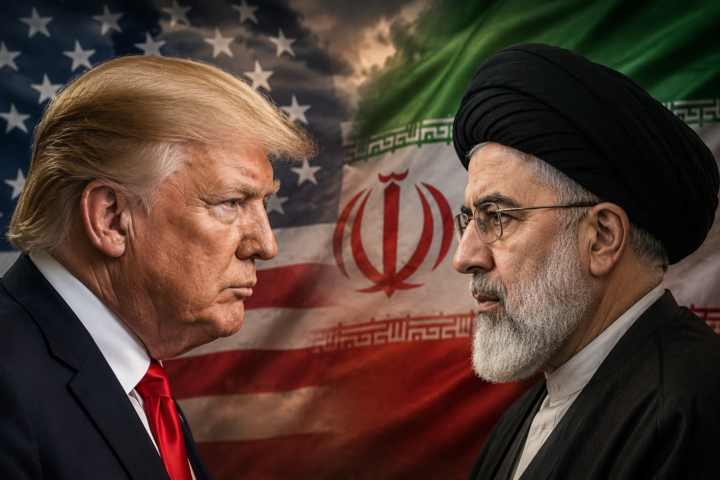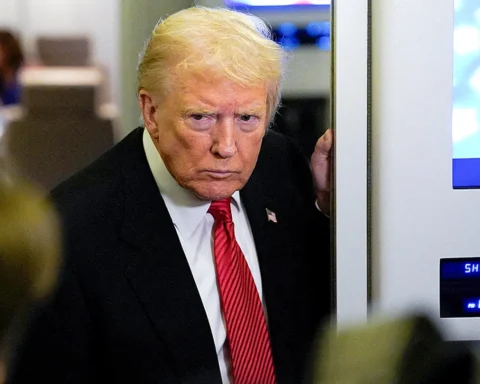
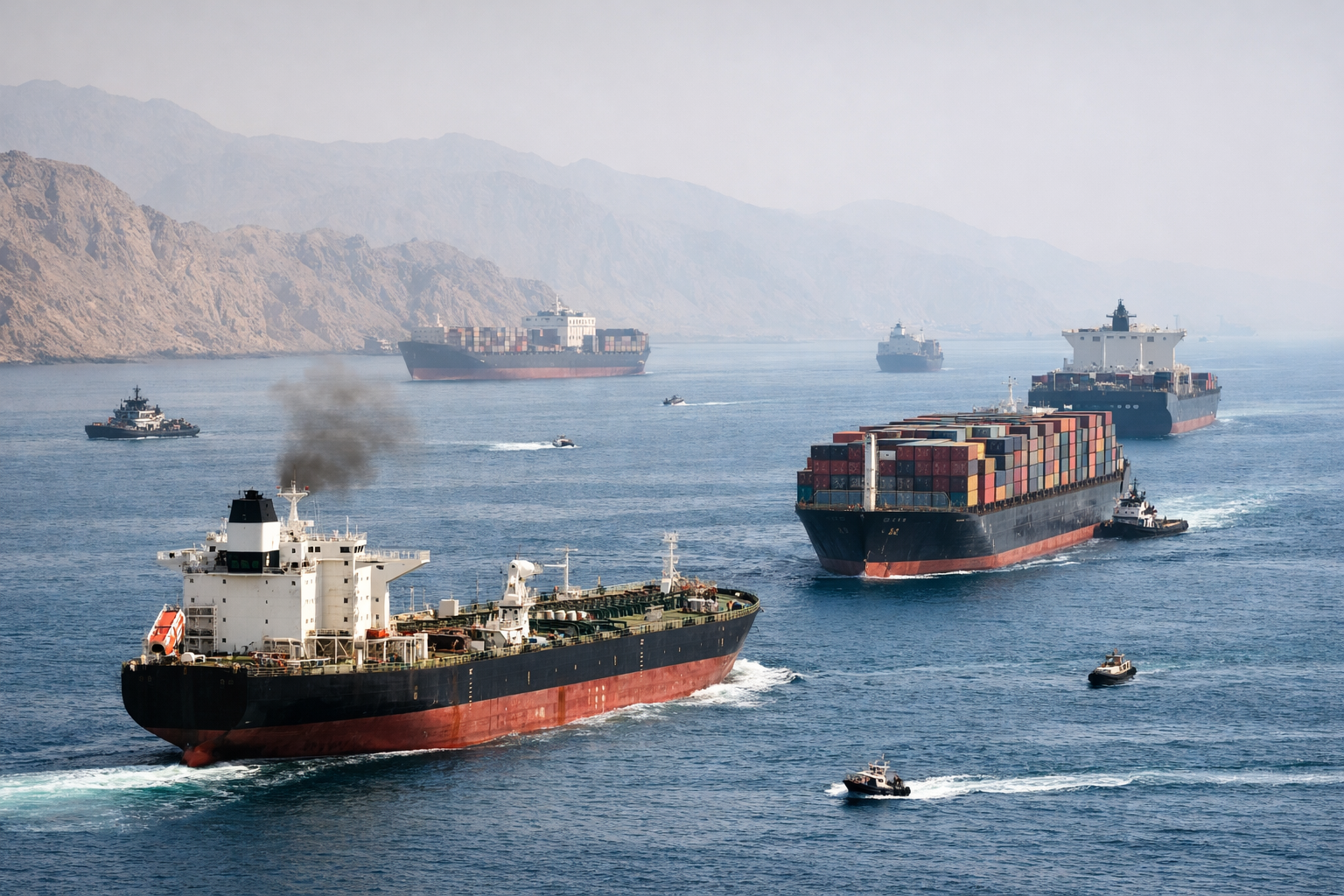
The Trump Hormuz threat intensified after Donald Trump ordered the US Navy to “shoot and kill” Iranian boats laying mines in the Strait of Hormuz.
The Trump Hormuz threat comes as tensions rise between Washington and Tehran, despite a fragile ceasefire. The move signals a sharper shift toward military enforcement in one of the world’s most critical energy corridors.
Trump Hormuz Threat: What Triggered the Escalation
The White House confirmed increased naval operations after reports of Iranian mining activity in the strait.
Key developments:
- US Navy ordered to engage any vessel placing mines
- Mine-clearing operations expanded at triple intensity
- Additional tanker interceptions reported in regional waters
Trump framed the move as a defensive step to secure global shipping lanes.
Why the Strait of Hormuz Matters
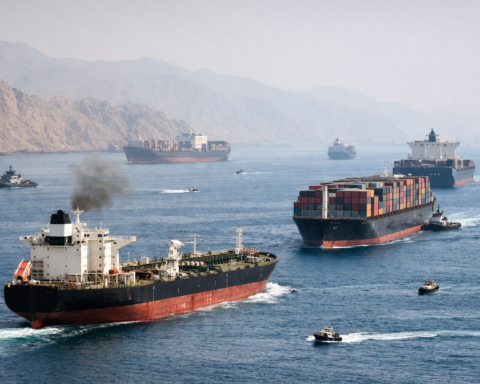
The Strait of Hormuz is a vital route for energy supplies.
- Roughly 20% of global oil and gas flows through it
- It connects the Persian Gulf to global markets
- Even minor disruptions can spike fuel prices worldwide
Since the conflict began, restricted access has already pushed US fuel prices above $4 per gallon, increasing political pressure in Washington.
Iran Responds to US Naval Pressure
Iran has taken parallel actions, raising the stakes further.
Recent moves by Tehran:
- Seized foreign commercial vessels in the strait
- Imposed tighter control over maritime traffic
- Demanded an end to the US blockade before talks resume
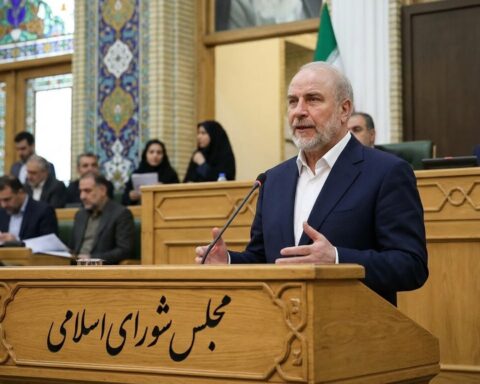
Masoud Pezeshkian rejected claims of internal divisions and emphasized unity within Iran’s leadership.
Meanwhile, officials tied to the Islamic Revolutionary Guard Corps continue to enforce restrictions in the waterway.
A Dangerous “Dueling Blockade”
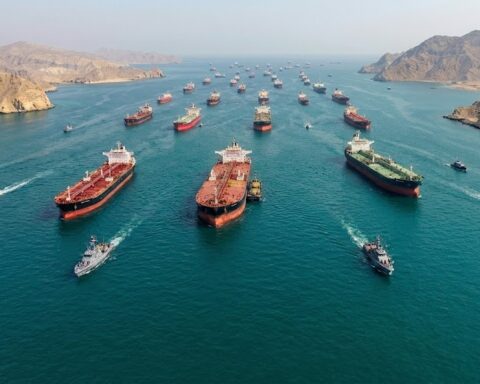
Both sides now control different parts of the maritime route.
- The US monitors entry points from the Arabian Sea
- Iran controls movement inside the strait
This creates a dual-control choke point, where ships may need approval from both forces.
Risks include:
- Accidental military clashes
- Wider disruption to global oil markets
- Collapse of the current ceasefire
Political Pressure Builds in Washington
The escalation adds pressure on the Pentagon and Congress.
At home, the impact is immediate:
- Rising fuel prices
- Concerns over a prolonged conflict
- Growing debate ahead of the 2026 elections
Trump also claimed Iran’s leadership is divided. However, no clear evidence supports that assertion.
What Comes Next
The Trump Hormuz threat could shape the next phase of the conflict.
Possible scenarios:
- Continued naval standoff with no direct war
- Renewed negotiations if economic pressure rises
- Sudden escalation if a military incident occurs
Analysts warn the situation now resembles a high-stakes standoff, where neither side appears willing to step back.
Key Takeaways
- The Trump Hormuz threat marks a major escalation in US-Iran tensions
- The Strait of Hormuz remains the world’s most critical energy chokepoint
- Both nations are enforcing competing maritime controls
- The risk of wider conflict continues to grow