From Street Protests to Federal Standby Orders
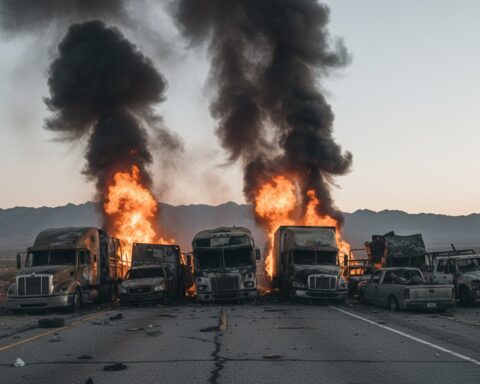
The federal government’s decision to place troops on standby during unrest in Minneapolis has renewed attention on a rare tool of U.S. power.
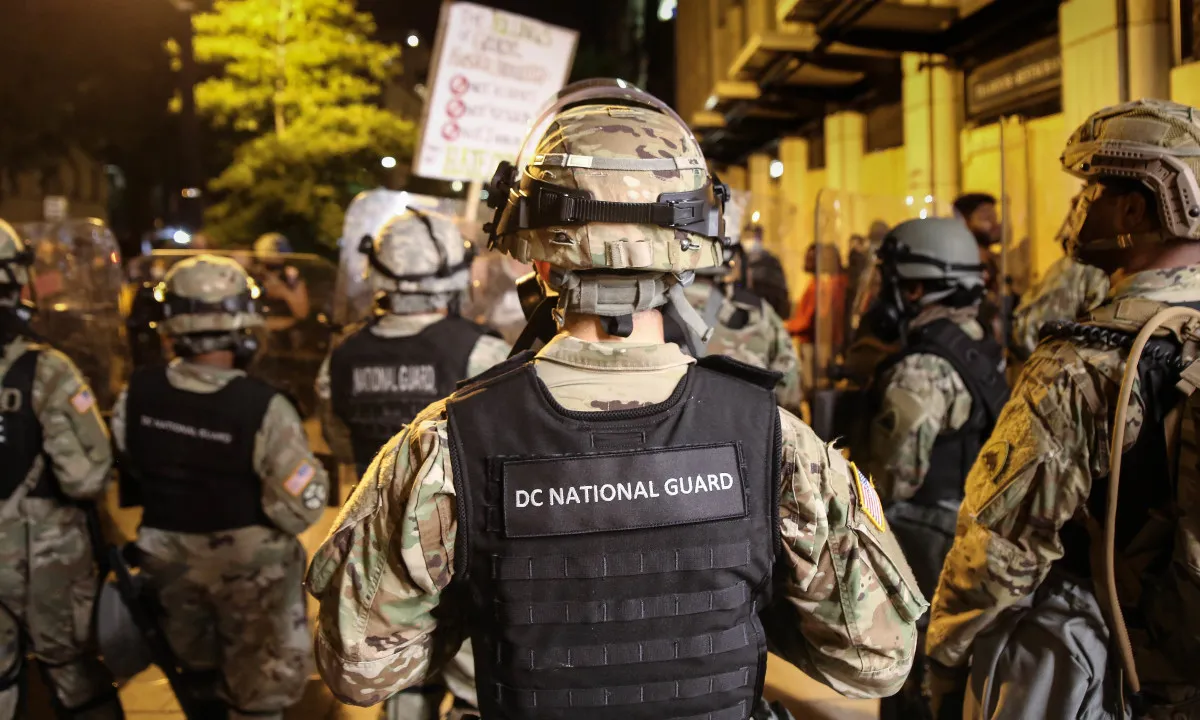
The Pentagon said 1,500 active-duty soldiers are prepared for possible deployment if violence increases. The move followed days of immigration-related protests and growing federal law enforcement presence in the city.
Active-duty troops are different from National Guard units. Guard forces usually answer to governors. Active-duty soldiers report directly to the president. That difference matters when protests turn tense.
The Legal Line That Limits Military Power at Home
U.S. law sharply limits when soldiers can act inside the country.
The Posse Comitatus Act generally bars federal troops from performing civilian law enforcement duties. Congress passed the law to protect civil liberties after the Civil War.
One major exception exists. It is called the Insurrection Act. That law allows a president to deploy active-duty forces if state authorities cannot or will not protect constitutional rights.
Presidents rarely use it. When they do, the decision often draws intense public scrutiny and legal debate.
Past Moments When Troops Entered U.S. Cities

The United States has turned to federal troops only a handful of times in modern history.
Presidents used them during school desegregation in the 1950s and 1960s. Troops were also deployed during the 1992 Los Angeles riots after a state request for help.
Each case followed widespread violence and breakdowns in local control. Even then, the deployments were temporary and closely watched.
The current situation in Minneapolis has not reached that point. For now, troops remain on standby.
Why This Matters Beyond Minnesota
The Minneapolis response shows how quickly protests tied to immigration enforcement can escalate to the federal level.
The Federal Bureau of Investigation has already asked agents nationwide to assist locally. The military alert adds another layer of federal authority.
For cities across the Midwest, including Ohio, the message is clear. Federal leaders are prepared to act fast if unrest spreads or local control weakens.
Civil rights groups warn that military involvement can intimidate peaceful protesters. Supporters argue it deters violence and protects federal personnel.
What These Signals for U.S. Cities
Military standby orders send a signal even without boots on the ground.
They show how immigration enforcement disputes can shift from policy debates to public order challenges. They also test where Americans draw the line between security and protest rights.
If active-duty troops move from standby to deployment, it would mark a major escalation and a rare moment in modern U.S. governance.