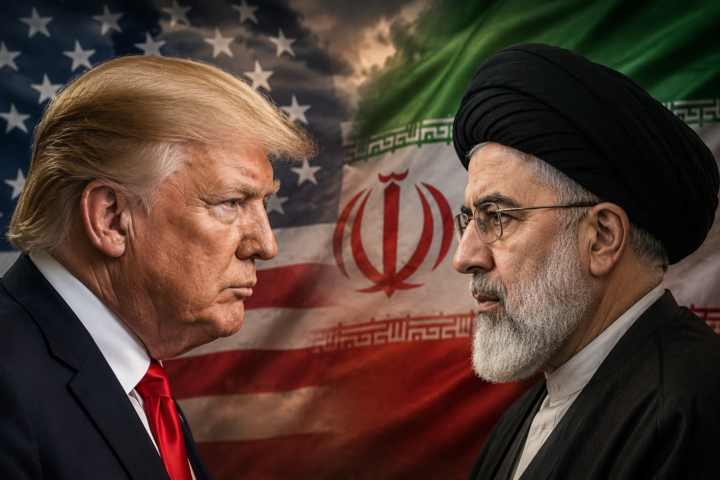
Iran security chief leadership has changed after a deadly United States-Israel strike killed a top official. Iran has now appointed a successor as tensions continue to rise across the region.
As developments unfold, pressure is mounting on the WHITE HOUSE, CONGRESS, and Iran’s leadership to manage a fast-escalating conflict.
Iran security chief: Who was killed in the strike
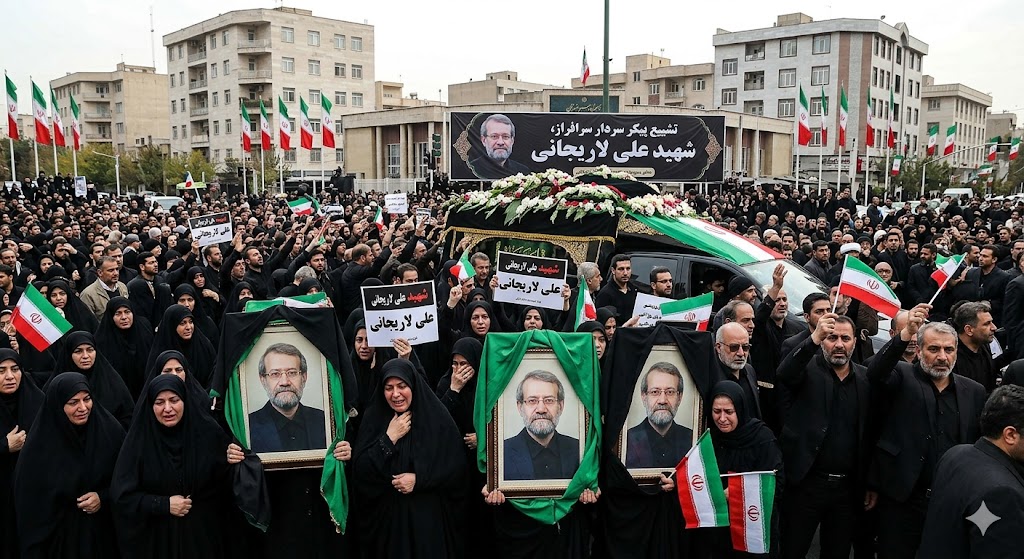
Ali Larijani, a senior figure in Iran’s security structure, died in a recent US-Israel air attack.
Key facts:
- He led Iran’s Supreme National Security Council (SNSC)
- He played a central role in national security and foreign policy
- He was one of Iran’s most influential non-clerical leaders
His death marks a major shift in Iran’s decision-making structure during wartime.
Who replaces Larijani
Iran has appointed Mohammad Bagher Zolghadr as the new security chief.
Background of Zolghadr
- Former senior commander in the IRGC
- Veteran of the Iran-Iraq war
- Former deputy interior minister for security
- Current member of the Expediency Council
His appointment strengthens the role of the IRGC in Iran’s leadership.
Iran security chief: Why this appointment matters
The leadership change signals a shift toward stronger military influence.
- The SNSC coordinates defense and foreign policy
- It includes top military and intelligence officials
- It works closely with Iran’s Supreme Leader
By appointing a former IRGC commander, Iran is consolidating power within its security establishment.
Iran security chief: Political uncertainty grows
Uncertainty remains at the top of Iran’s leadership.
Mojtaba Khamenei has stayed out of public view since taking power earlier this month.
At the same time:
- War decisions are becoming more centralized
- Military figures are gaining influence
- Civilian leadership appears less visible
This shift could shape how Iran responds to future attacks.
War continues with no pause
The conflict shows no signs of slowing down.
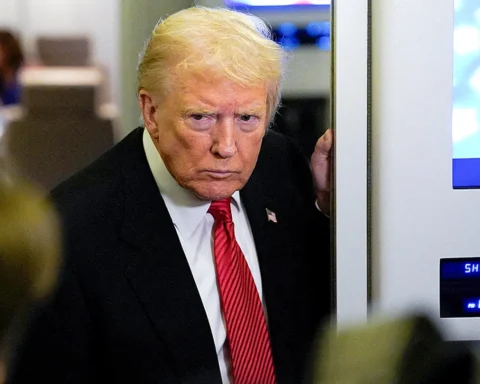
Donald Trump recently extended a deadline tied to possible strikes on Iran’s power infrastructure. Meanwhile, Iran continues to reject claims of negotiations.
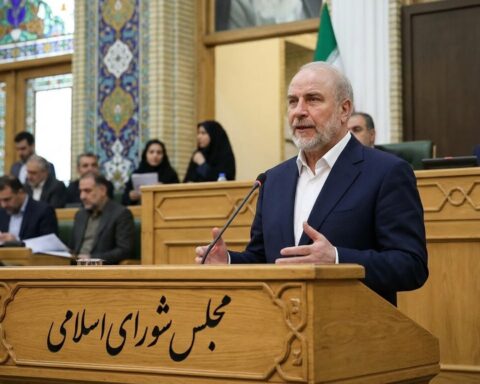
Mohammad Bagher Ghalibaf has insisted that no talks with Washington are taking place.
Iran security chief: What this means for the region
The leadership change could have immediate effects:
- Stronger military response from Iran
- Increased risk of escalation in the Gulf
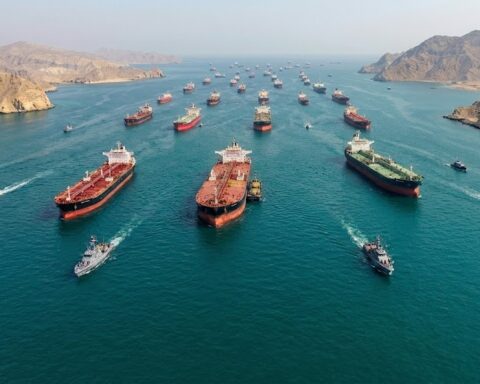
- Continued pressure on global energy markets
As a result, regional tensions remain high and unpredictable.