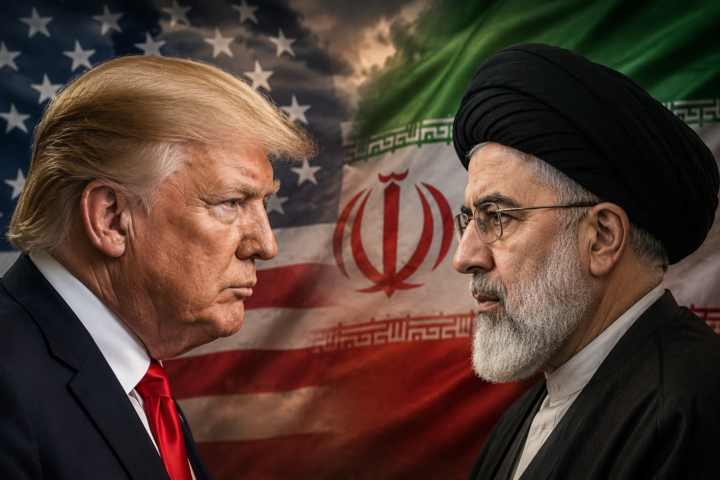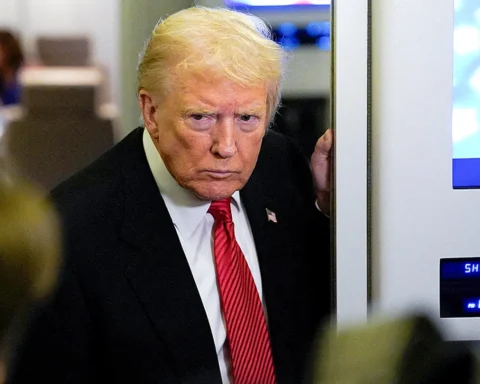
The US Iran mediation effort has gained urgency as the war between Washington and Tehran enters a critical phase.
The White House has pushed a proposal through regional mediators, while Iran continues to deny formal negotiations.
The US Iran mediation reflects growing pressure on both sides to end a conflict that has disrupted global energy markets and raised fears of wider instability.
US Iran mediation plan moves through Pakistan and regional allies
Officials confirmed that the United States sent a proposal via Pakistan, which has offered to host talks in Islamabad.
Other mediators include:
- Egypt
- Saudi Arabia
- Turkiye
These countries aim to reduce tensions and reopen communication channels.
What the US wants in US Iran mediation talks
The proposal outlines key US demands tied to security and nuclear concerns.
Key US conditions
- A 30-day ceasefire during negotiations
- Full dismantling of nuclear facilities in Natanz, Isfahan, and Fordow
- A permanent ban on nuclear weapons development
- Transfer of enriched uranium to the International Atomic Energy Agency
- Limits on missile programs
- End of support for regional armed groups
- Reopening of the Strait of Hormuz
In return, Washington has signaled possible sanctions relief and support for civilian energy projects.
How Iran is responding to US Iran mediation efforts
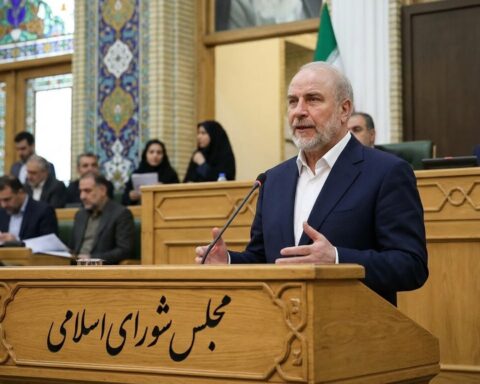
Iranian leaders have publicly rejected claims of direct talks. Officials argue that Washington is overstating progress.
However, Iran has outlined conditions for any deal.
Key Iran demands
- Recognition of its nuclear rights for peaceful use
- Full lifting of US and international sanctions
- Compensation for war damage
- Guarantees against future attacks
- Reduced US military presence in the region
Masoud Pezeshkian has emphasized that any agreement must protect Iran’s sovereignty.
War pressure shapes US Iran mediation talks
The conflict has taken a heavy toll across the region.
Key impacts
- Rising oil prices above $100 per barrel
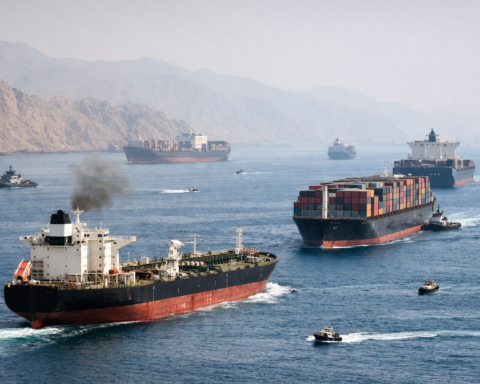
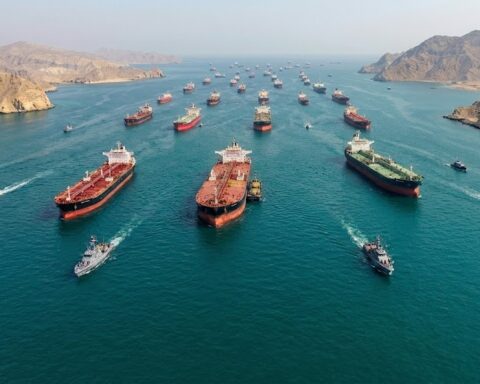
- Disruptions in global shipping routes
- Casualties and infrastructure damage
- Market instability in Asia and Europe
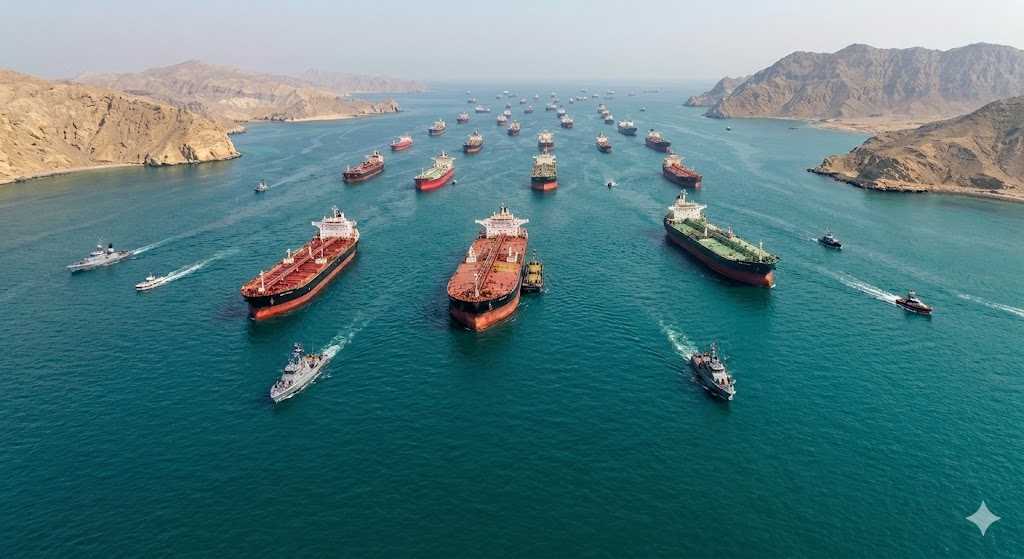
The partial closure of the Strait of Hormuz has intensified global concern over energy supplies.
Divisions inside Iran complicate mediation
Internal dynamics in Iran may affect negotiations.
- The Islamic Revolutionary Guard Corps favors a hardline stance
- Political leaders show limited openness to dialogue
- Leadership changes have added uncertainty
These divisions could slow or block progress.
Can US Iran mediation lead to a deal?
Analysts believe talks remain possible but difficult.
Factors supporting a deal
- Economic pressure on both sides
- International calls for de-escalation
- Mediation by regional powers
Key obstacles
- Deep mistrust between Washington and Tehran
- Conflicting demands on nuclear policy
- Ongoing military actions
Even if talks begin, experts expect slow progress with no guarantee of a final agreement.
What happens next
The next few days will shape whether talks move forward.
Possible scenarios include:
- Informal backchannel discussions
- Temporary ceasefire agreements
- Continued escalation if talks fail
For now, the US Iran mediation effort remains uncertain, with both sides holding firm positions.