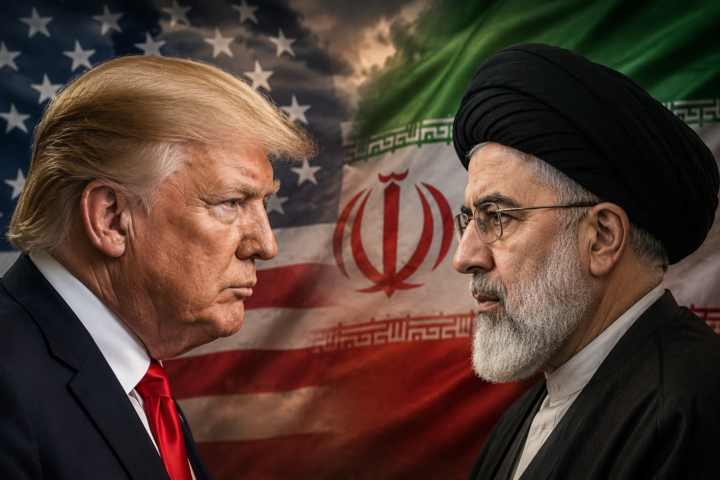
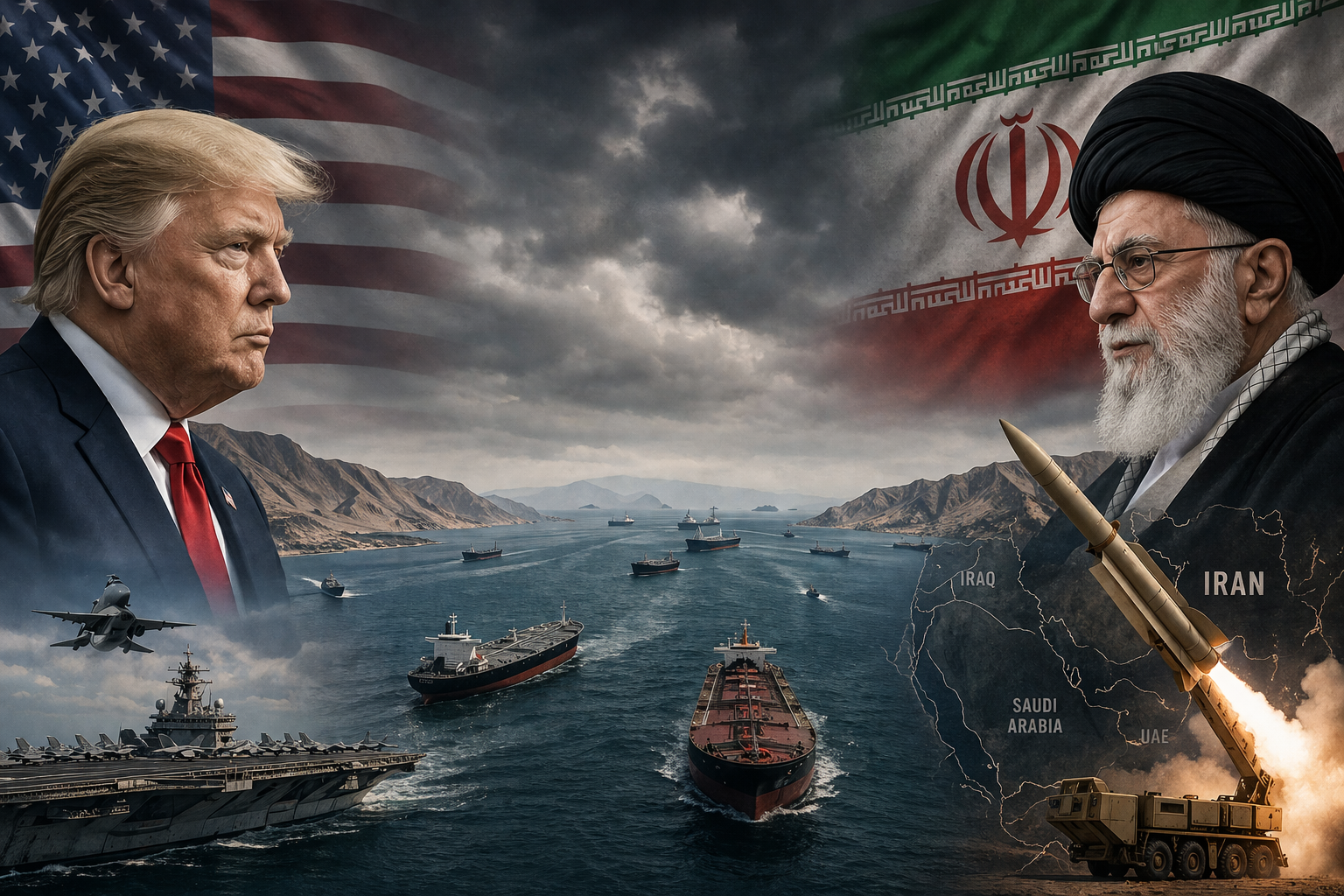
TEHRAN, Iran — The Hormuz clash between Iran and the United States escalated sharply Thursday after Tehran claimed its military attacked American Navy ships in response to an alleged strike on an Iranian oil tanker near the Strait of Hormuz.
Iranian military officials accused the United States of violating a fragile ceasefire and targeting civilian-linked infrastructure near Iranian waters. Meanwhile, the Pentagon denied claims that US warships suffered major damage and maintained that American forces acted in self-defense.
The latest confrontation has pushed the Middle East closer to another dangerous turning point as both countries exchange military threats while diplomatic negotiations continue behind closed doors.
Iran accuses US of violating ceasefire
Iran’s Khatam al-Anbiya Central Headquarters claimed American naval forces attacked an Iranian tanker operating inside the country’s territorial waters.
According to Iranian military statements, the alleged strike triggered an immediate retaliation from Iranian forces stationed along the Gulf coastline.
Iranian officials also accused the US military of carrying out air raids on civilian areas near Qeshm Island and southern coastal positions.
The accusations emerged only weeks after both countries agreed to pause large-scale fighting following months of deadly regional conflict.
Now, however, Iranian commanders argue that Washington has started increasing military pressure again through aggressive naval operations near Hormuz.
Iranian state media described the alleged tanker strike as a “direct act of aggression” against the country’s sovereignty.
Iranian missiles and drones target US warships
The Islamic Revolutionary Guard Corps Navy announced that Iranian forces launched a combination of:
- Ballistic missiles
- Anti-ship cruise missiles
- Armed drones
- High-explosive naval weapons
Iranian media claimed several US naval vessels changed course and retreated toward the Gulf of Oman after the attack.
Explosions were reportedly heard near:
- Bandar Abbas
- Qeshm Island
- Minab
- Coastal military facilities
However, independent verification remains difficult because journalists have limited access to the affected areas.
Iranian television stations later aired footage showing missile launches alongside speeches promising a “crushing response” to future American operations in Gulf waters.
CENTCOM rejects damage claims
The US Central Command denied that Iranian attacks caused significant damage to American vessels.
CENTCOM stated that US forces intercepted Iranian drones and missiles before carrying out defensive strikes against military threats.
American officials insisted no US assets were destroyed.
At the same time, Pentagon officials stressed that Washington does not want a broader war with Tehran.
Still, military analysts warn that even small naval confrontations inside the Strait of Hormuz carry enormous risks because of the narrow shipping lanes and heavy military presence in the area.
A single miscalculation could rapidly expand into a wider regional conflict involving multiple Gulf states.
Hormuz Clash becomes center of global anxiety
The Hormuz clash is already shaking global energy markets.
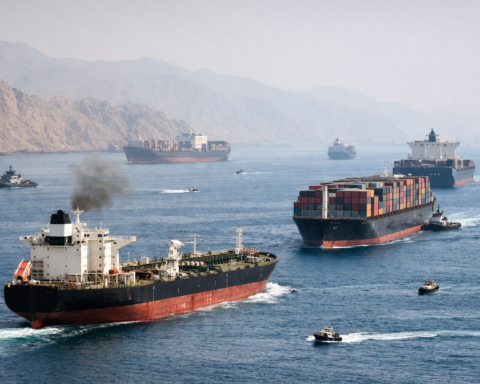
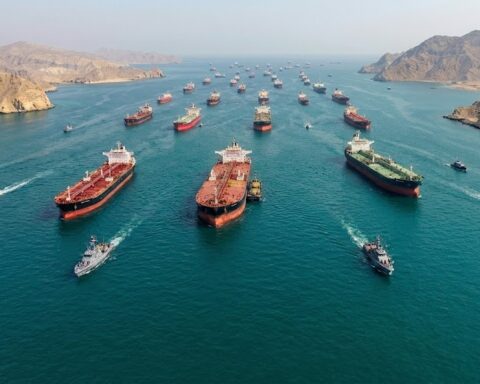
The Strait of Hormuz handles a major share of the world’s oil shipments. Therefore, every military incident inside the waterway immediately raises fears about global supply disruptions.
Energy traders are closely watching the crisis because prolonged fighting could lead to:
- Rising oil prices
- Higher fuel costs
- Shipping delays
- Insurance increases
- Global economic uncertainty
In recent weeks, the United States expanded naval patrols near Gulf shipping routes after Iran threatened tighter restrictions around Hormuz.
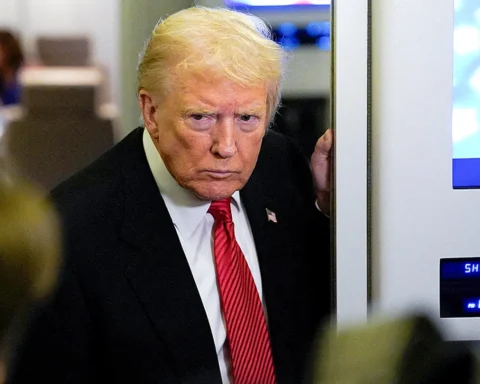
President Donald Trump defended the stronger military posture earlier this week and argued that the United States must protect international shipping lanes.
Iranian leaders, however, believe Washington is attempting to weaken Tehran economically through naval pressure and maritime restrictions.
Diplomacy struggles to keep pace with conflict
Despite the latest violence, diplomatic channels remain active.
Officials from Pakistan, Oman and Qatar continue trying to mediate negotiations between Tehran and Washington.
However, several major disagreements continue blocking a broader agreement.
The White House wants stronger restrictions on Iran’s missile and nuclear programs. Iran, meanwhile, insists it has the right to maintain its military capabilities and regional influence.
That standoff has left ceasefire talks hanging by a thread.
Iranian officials also suspect that growing US naval operations are designed to force Tehran into accepting tougher American demands during negotiations.
Meanwhile, Trump faces political pressure at home as Americans worry about rising fuel prices and the possibility of another prolonged Middle East war.
Civilians brace for more instability over Hormuz Clash
Across Iran and the wider Gulf region, civilians increasingly fear the crisis could spiral out of control.
Families near coastal cities have already faced weeks of uncertainty, internet disruptions and economic strain since fighting first erupted earlier this year.
Many residents now worry that another naval clash could trigger missile exchanges across the region.
In Tehran, state-backed demonstrations continued Thursday night as crowds waved flags and voiced support for the military response.
At the same time, shipping workers and oil crews across the Gulf remain on edge as heavily armed vessels patrol one of the world’s most sensitive waterways.
For millions across the region, the fear is no longer theoretical.
The possibility of a broader war now feels closer than ever.