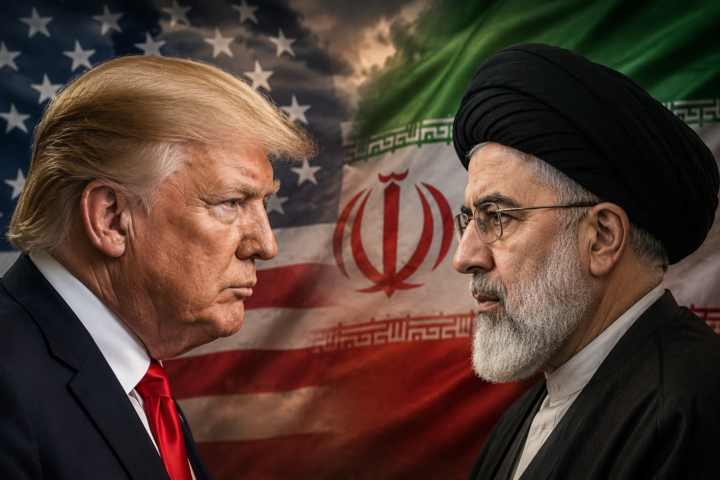
The Iran peace deal proposal backed by Tehran has run into fresh trouble after US President Donald Trump rejected Iran’s latest terms to end the conflict and reopen the Strait of Hormuz.
The White House dismissed the Iranian response as “totally unacceptable,” deepening uncertainty around the Iran peace deal negotiations that have dominated global diplomacy for weeks. Meanwhile, tensions continue to grow across the Gulf region as military pressure, sanctions and naval confrontations intensify.
Trump’s rejection came after Iran submitted a counterproposal through Pakistan, which has been acting as a mediator between Washington and Tehran.
Iran pushes for sanctions relief and end to blockade
Iranian officials want any future agreement to begin with an immediate end to military operations and economic restrictions.
According to Iranian media reports, Tehran’s proposal includes:
- Ending the naval blockade on Iranian ports
- Restoring safe shipping through the Strait of Hormuz
- Releasing frozen Iranian assets
- Reducing military activity across the Gulf region
- Discussing nuclear issues only after fighting ends
Iran also reportedly requested guarantees for maritime security before entering wider talks on its nuclear program and regional alliances.
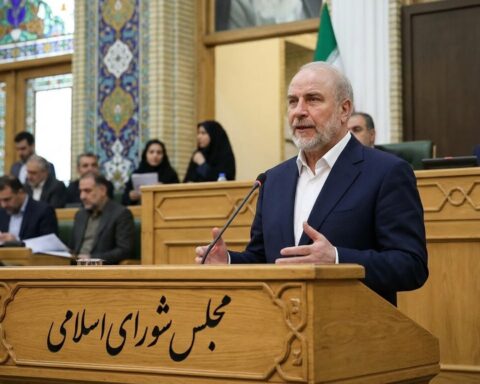
Iranian Foreign Ministry spokesman Esmaeil Baghaei described the proposal as “realistic” and “legitimate.” However, Washington maintained its tougher position on Iran’s uranium enrichment and regional influence.
Trump rejects Iran peace deal terms
Trump reacted strongly after reviewing Iran’s response.
In posts published on Truth Social, the US president accused Tehran of prolonging tensions and refusing to make meaningful concessions.
The White House continues to demand:
- A full halt to uranium enrichment
- Restrictions on Iran’s missile capabilities
- Limits on support for armed regional groups
- Full reopening of the Strait of Hormuz
- Long-term nuclear monitoring measures
US officials also want Iran to transfer its stockpile of highly enriched uranium out of the country as part of any permanent settlement.
However, Tehran rejected dismantling its nuclear facilities and opposed a total end to enrichment activities.
Strait of Hormuz remains central to Iran peace deal
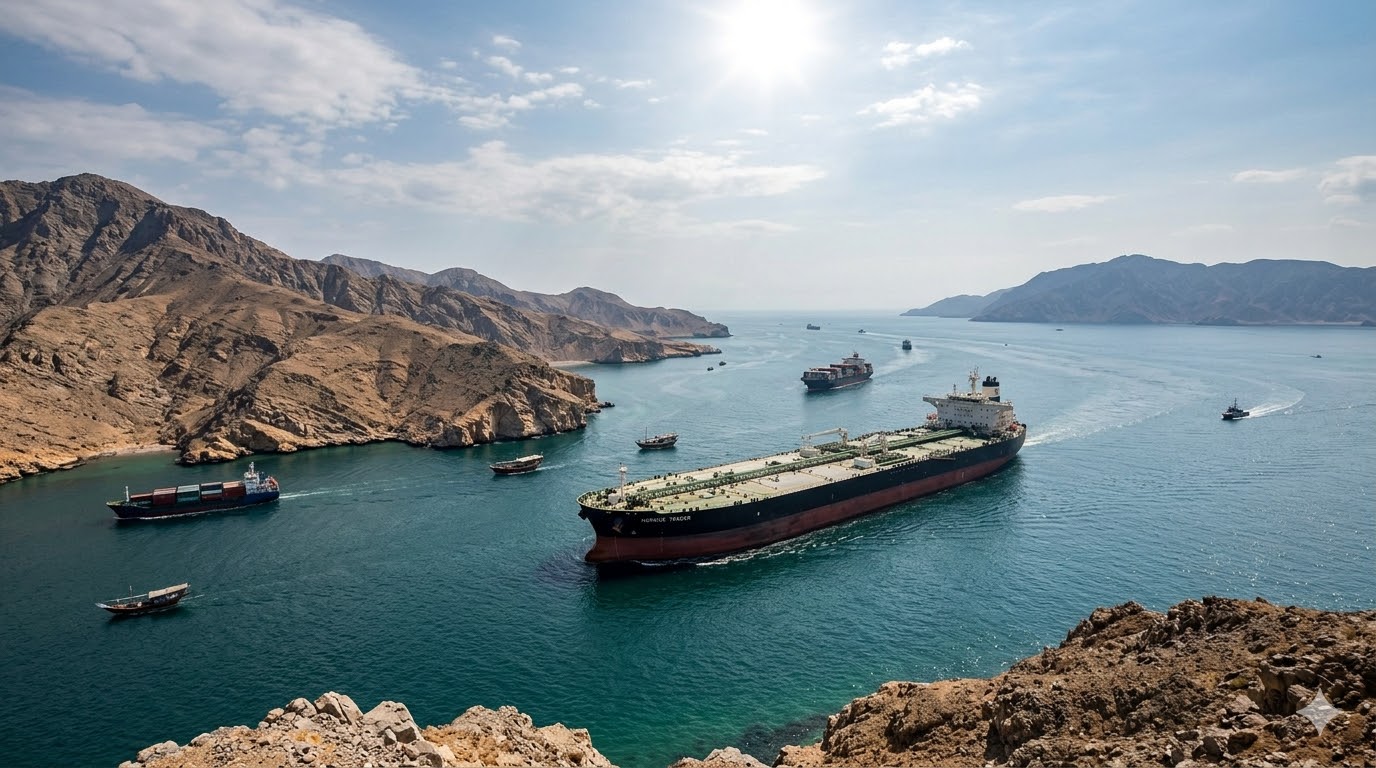
The Strait of Hormuz remains the most sensitive issue in the crisis.
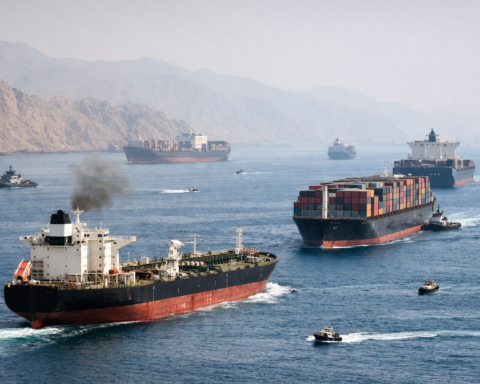
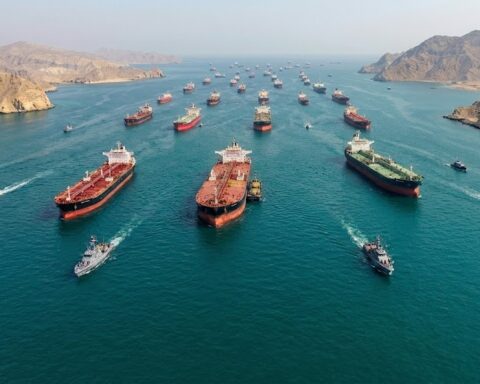
The narrow waterway handles nearly one-fifth of global oil shipments during normal trading periods. As a result, continued instability threatens energy markets worldwide.
Iran partially restricted shipping in the strait after the United States and Israel launched attacks earlier this year. Since then, naval confrontations have increased across Gulf waters.
In recent weeks:
- US forces intercepted Iranian vessels
- Iran increased drone patrols near Hormuz
- Several commercial ships changed routes
- Oil prices reacted sharply to military activity
Security analysts warn that a prolonged standoff could disrupt global trade and trigger wider instability in the Middle East.
Nuclear demands deepen divide
The collapse of momentum around the Iran peace deal also reflects deep disagreements over Tehran’s nuclear program
Under earlier US proposals, Iran would have:
- Halted uranium enrichment for at least 12 years
- Surrendered enriched uranium stockpiles
- Accepted expanded international inspections
In return, Washington would gradually ease sanctions and release frozen Iranian funds.
However, Iranian negotiators insisted that the country retains the right to peaceful nuclear development under international agreements.
Tehran also argues that the United States lost credibility after Trump withdrew from the 2015 nuclear agreement during his first term in office.
Regional tensions continue to rise
While diplomacy struggles, military pressure continues across the region.
Iranian officials warned that continued US naval activity near Hormuz could provoke further confrontations. Meanwhile, the Pentagon confirmed that American forces remain on high alert.
The ongoing crisis has also increased pressure on neighboring Gulf countries, many of which rely heavily on stable oil exports and secure shipping routes.
Diplomats from Europe, Pakistan and several Gulf states continue pushing both sides toward compromise. However, analysts warn that neither Washington nor Tehran currently appears willing to soften its core demands.
Experts warn Iran Peace Deal may stall further
Political analysts believe the negotiations have entered a dangerous phase.
Ali Vaez of the International Crisis Group argued that neither military force nor economic pressure is likely to force Tehran into accepting Washington’s maximum demands.
Meanwhile, other experts believe Trump faces growing political pressure at home to appear tough on Iran while avoiding another prolonged regional conflict.
Without concessions from either side, negotiators fear the current deadlock could continue for weeks.
What comes next?
The future of the Iran peace deal now depends on whether both governments can narrow major disagreements over nuclear policy, sanctions and maritime security.
For now, diplomatic channels remain open through mediators including Pakistan and Gulf states. However, continued naval incidents and military threats risk undermining any remaining trust between Washington and Tehran.
Global markets are also watching closely as uncertainty around the Strait of Hormuz continues to affect oil prices and shipping confidence.
Key Takeaways
- Trump rejected Iran’s latest peace proposal
- Tehran demanded sanctions relief and an end to the naval blockade
- The Strait of Hormuz remains central to negotiations
- Nuclear enrichment remains the biggest obstacle
- Regional tensions continue despite diplomatic efforts