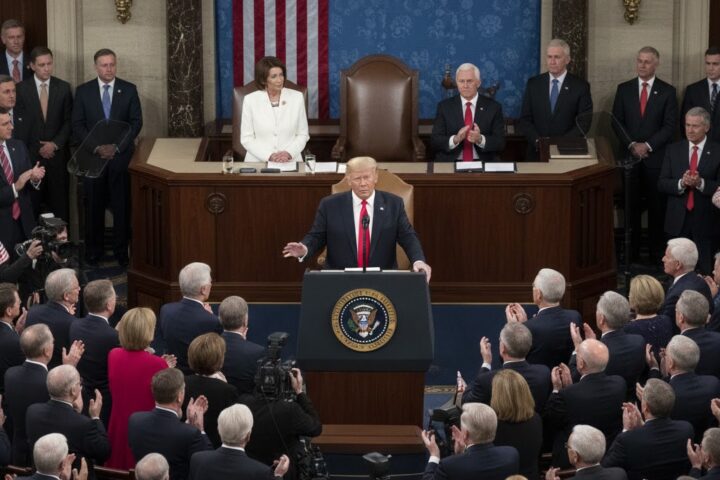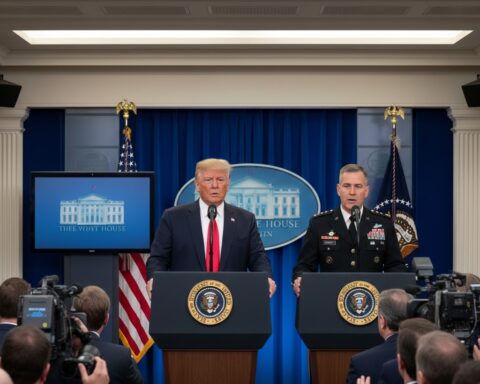
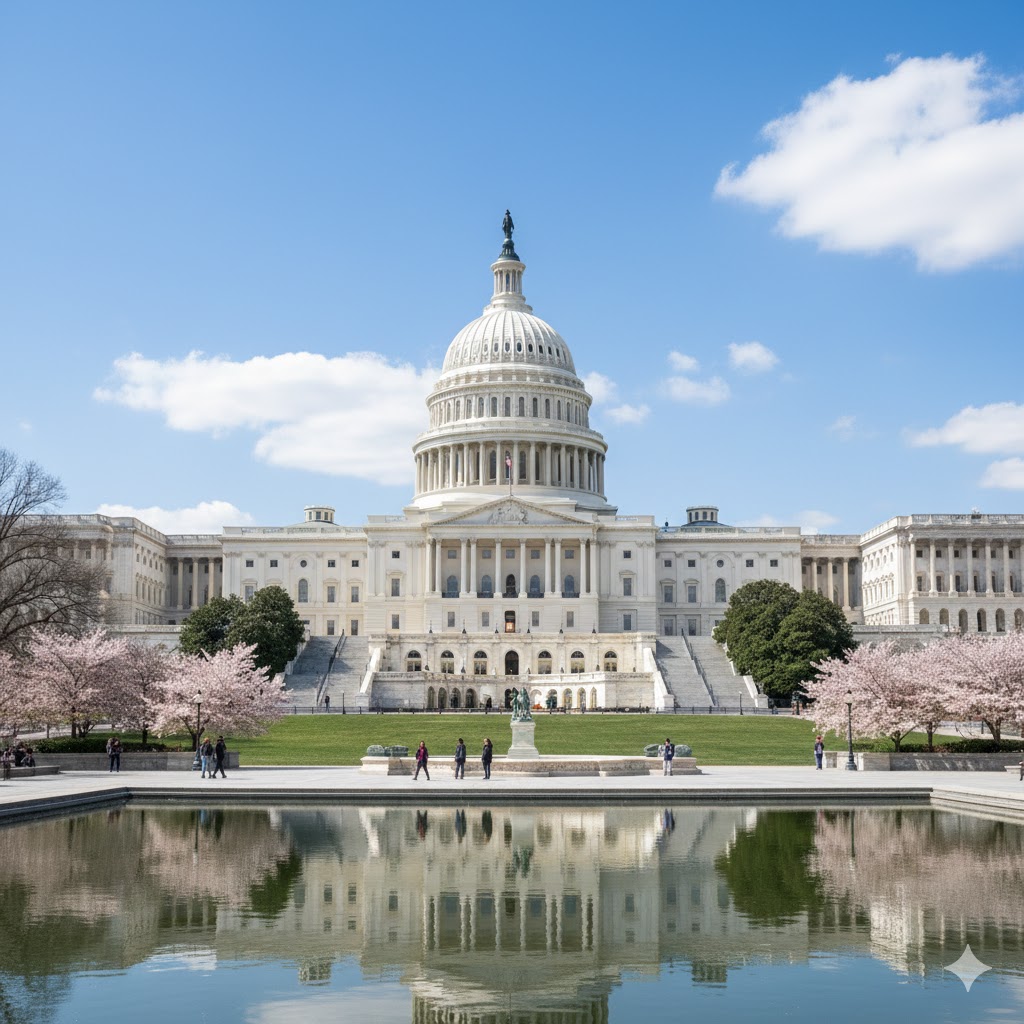
WASHINGTON, D.C. — House Republicans pass SAVE America Act photo voter ID requirement, advancing a sweeping election overhaul that mandates documentary proof of U.S. citizenship to register and a government-issued photo ID to vote.
The legislation cleared the House with support from all Republicans and one Democrat.
Opponents warn the SAVE America Act photo voter ID requirement could disenfranchise millions of eligible voters before the 2026 midterm elections.
The bill now heads to the Senate, where it faces a likely filibuster.
What the SAVE America Act Requires
The SAVE America Act significantly changes voter registration and ballot procedures nationwide. If enacted, voters must:
- Provide documentary proof of U.S. citizenship when registering, such as a passport or birth certificate paired with valid photo ID.
- Present a government-issued photo ID on Election Day, including a driver’s license, state ID, passport, military ID, or tribal ID.
- Submit a copy of valid photo ID when voting by mail or absentee.
- Cast a provisional ballot if lacking ID and return within three days with proper documentation, or file an affidavit claiming a religious objection to being photographed.
The bill would take effect immediately, a timeline critics describe as unrealistic given administrative demands.
Republicans Frame Bill as Election Integrity Reform
Rep. Bryan Steil (R-Wis.), chair of the House Administration Committee, led the measure in the House.
Supporters argue the current system which relies on sworn attestation of citizenship lacks sufficient safeguards.
Republicans cite polls showing broad public support for voter ID laws.
They maintain that documentary proof strengthens confidence in federal elections and protects against noncitizen voting, which is already illegal but rare.
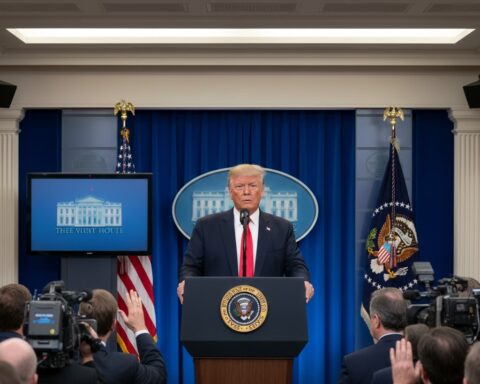
President Donald Trump has made the bill a priority. He recently signaled that he would pursue executive action if Congress fails to pass the legislation.
Critics Warn of Voter Disenfranchisement
Democrats and voting rights organizations argue the SAVE America Act photo voter ID requirement, would disproportionately affect certain populations.
Opponents highlight several concerns:
- Millions of eligible Americans do not possess passports or qualifying photo identification.
- Elderly, rural, and low-income voters may face barriers obtaining required documents.
- The bill provides no federal funding for states to implement new systems.
- Election officials could face criminal penalties for registration errors.
- The immediate effective date could strain local election infrastructure.
Voting advocates also stress that documented cases of noncitizen voting remain extremely rare.
Senate Filibuster Could Block the Bill
Although House Republicans passed the SAVE America Act photo voter ID requirement, the bill faces significant hurdles in the Senate.
Democrats have indicated firm opposition.
Because the legislation requires 60 votes to overcome a filibuster, Republicans lack sufficient support under current Senate rules.
Some conservatives have urged GOP leadership to consider procedural changes.
However, Senate leaders have not announced plans to modify filibuster rules.
Legal Context and Executive Action Questions
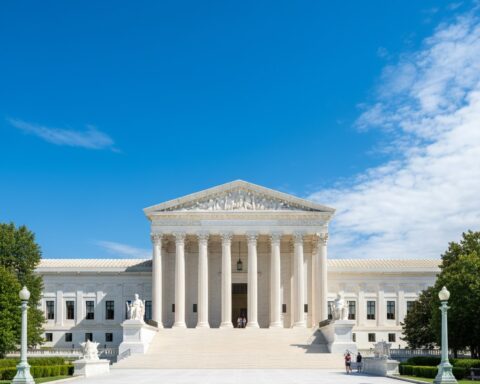
In 2025, federal courts blocked a previous executive order attempting to impose proof-of-citizenship rules, ruling that the president exceeded constitutional authority.
Election law scholars note that the Constitution grants election oversight powers primarily to states and Congress.
Therefore, any future executive action on voter ID would likely face immediate court challenges.
Next Steps in the Senate as Filibuster Battle Looms
The Senate now determines the bill’s fate. Key developments to watch include:
- Whether Senate Republicans attempt to bypass the filibuster.
- Whether executive action emerges before the 2026 midterms.
- How state election officials prepare for possible implementation.
- Whether bipartisan negotiations alter the bill’s scope.
With the midterm elections approaching, the SAVE America Act stands at the center of a broader national debate over election security and voting access.