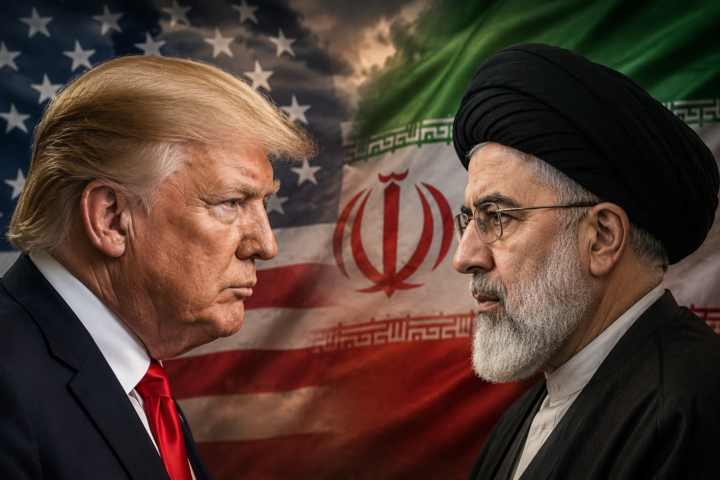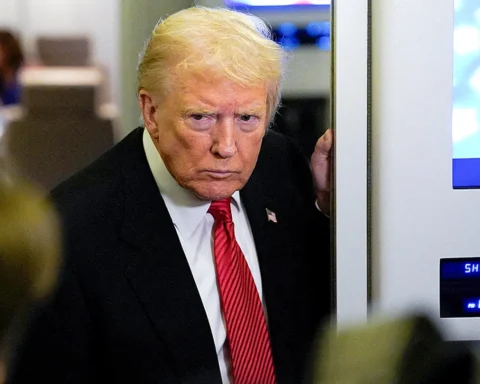

The Iran uranium seizure debate is intensifying as the United States considers a high-risk operation to secure Iran’s enriched uranium.
The issue has raised global concern over safety, escalation, and long-term consequences.
Officials linked to the White House and Pentagon are reviewing options. However, experts warn the plan could trigger serious military and environmental risks.
What Iran uranium seizure means
Iran holds a large stockpile of enriched uranium. According to the International Atomic Energy Agency, the material is enriched close to weapons-grade levels.
Key facts:
- Iran has about 440kg of 60% enriched uranium
- The material is stored in underground sites
- Main locations include Isfahan, Natanz, and Fordow
This level of enrichment shortens the path to nuclear weapons capability, even though Iran maintains its program is civilian.
Why the US is considering action
The administration of Donald Trump has placed nuclear restrictions at the center of its Iran strategy.
Officials argue:
- Preventing nuclear weapons remains a top priority
- Military pressure could force negotiations
- Control of uranium stockpiles reduces long-term threats
However, critics warn that force could backfire and escalate the war.
Military risks of Iran uranium seizure
Experts describe the operation as extremely complex and dangerous.
Challenges include:
- Deep underground facilities damaged by air strikes
- Long-distance deployment inside active conflict zones
- Constant threat from Iranian counterattacks
Military analysts warn that:
- Ground troops would need to secure large areas
- Excavation could take weeks under fire
- Withdrawal could be difficult
“This is not a quick mission,” one analyst noted. “It could turn into a prolonged conflict.”
Environmental and safety dangers
The uranium is likely stored as uranium hexafluoride gas, a highly toxic substance.
Risks include:
- Chemical leaks if containers are damaged
- Radiation exposure to troops and civilians
- Long-term environmental contamination
Even destroying the material on-site could:
- Release toxic chemicals into the air
- Contaminate surrounding areas for years
Could diplomacy avoid Iran uranium seizure?
Diplomatic options remain on the table.
Possible alternatives:
- International monitoring by the IAEA
- Reducing enrichment levels (“downblending”)
- Removing uranium through negotiated agreements
A similar operation took place in 1994, when the US removed nuclear material from Kazakhstan. However, that mission required cooperation and not conflict.
Global stakes continue to rise
The Iran uranium seizure debate reflects a deeper fear including escalation into a wider war.
Key concerns:
- Regional instability across the Middle East
- Rising tensions between global powers
- Risk of nuclear proliferation
As discussions continue, the world watches closely. A misstep could reshape global security for years.