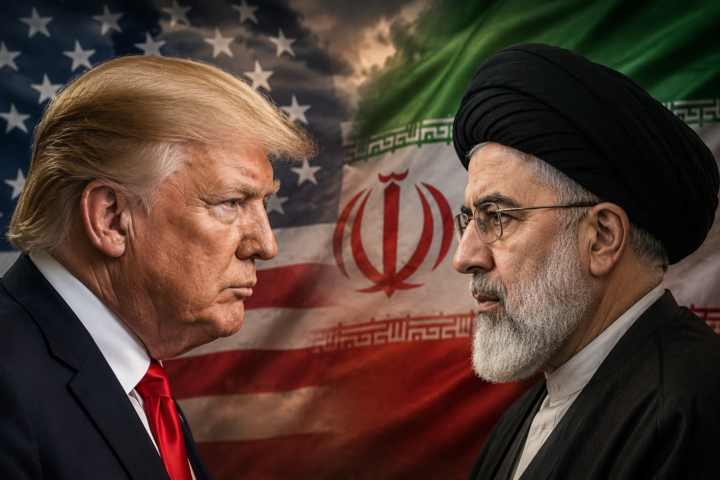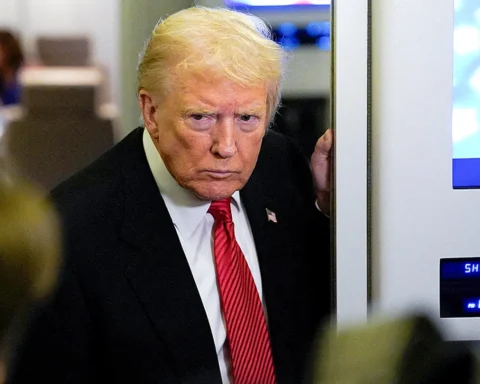

Pakistan Iran talks have taken center stage as Pakistan hosts urgent diplomatic efforts to ease tensions between the United States and Iran.
The meetings in Islamabad come as the US-Israel war on Iran drives a global energy crisis.
At the same time, regional leaders are pushing for de-escalation. However, Pakistan faces a difficult task balancing ties with Washington, Tehran, and Gulf allies.
Pakistan Iran talks draw regional powers to Islamabad
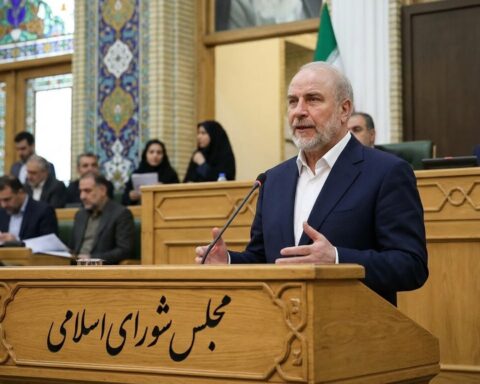
Senior officials from across the region arrived in Islamabad to support mediation efforts.
Key participants include:
- Egypt’s Foreign Minister
- Türkiye’s Foreign Minister
- Saudi Arabia’s Foreign Minister
- Pakistan’s Deputy Prime Minister and Foreign Minister
These talks aim to:
- Reduce military escalation
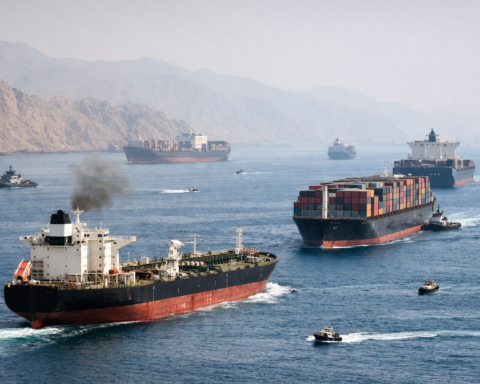
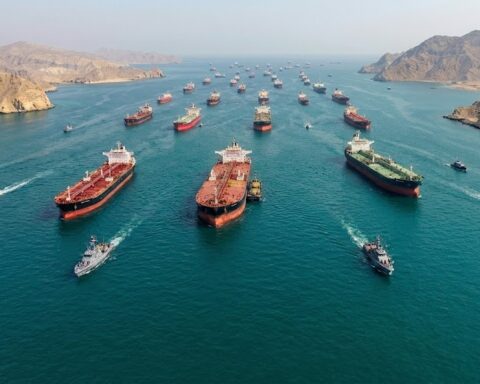
- Reopen the Strait of Hormuz
- Push the US and Iran back to negotiations
As a result, Islamabad has emerged as a critical diplomatic hub.
Why Pakistan Iran talks matter now
The timing of Pakistan Iran talks is critical due to rising global pressure.
Key factors driving urgency:
- The Strait of Hormuz disruption threatens global oil supply
- Energy prices continue to rise worldwide
- Civilian and infrastructure attacks increase across the region
- Economic risks grow for Gulf and Asian economies
Notably, Pakistan secured a small breakthrough. Iran agreed to allow limited passage of Pakistani-flagged ships through the Strait of Hormuz.
Pakistan’s delicate balancing act explained
Pakistan faces competing alliances while leading mediation.
Key relationships at play:
- Strong defense ties with Saudi Arabia
- Shared border and cultural ties with Iran
- Renewed diplomatic engagement with the WHITE HOUSE
This creates a high-stakes diplomatic position.
Analysts describe Pakistan’s role as:
- A messenger between Washington and Tehran
- A bridge for regional coordination
- A risk zone if talks fail
Therefore, Islamabad must act carefully to avoid political fallout.
US and Iran positions complicate Pakistan Iran talks
Despite mediation, both sides remain far apart.
United States position:
- Pushes for ceasefire framework
- Seeks limits on Iran’s military capabilities
- Pressures allies to support negotiations
Iran position:
- Rejects direct talks with the US
- Demands an end to attacks
- Calls for reparations and guarantees
As tensions persist, trust remains low between both sides.
Economic fears drive diplomatic push
Economic pressure is shaping the urgency of Pakistan Iran talks.
Major concerns include:
- Oil exports from Gulf states have dropped sharply
- Regional jobs face risk, especially for Pakistani workers
- Supply chains remain unstable
- Energy markets show extreme volatility
Consequently, countries fear long-term economic damage if the war continues.
Could Pakistan Iran talks lead to peace?
Experts remain cautious about the outcome.
Possible short-term outcomes:
- Limited ceasefire agreements
- Humanitarian access improvements
- Partial reopening of trade routes
Key risks:
- Continued military escalation
- Disagreement between US and allies
- Internal divisions within Iran
Still, Pakistan’s efforts could open a path to dialogue.
What happens next in Pakistan Iran talks
The coming days will determine whether diplomacy can slow the conflict.
If talks succeed:
- Regional tensions may ease
- Energy markets could stabilize
- Broader negotiations may begin
If talks fail:
- Conflict could expand
- Economic fallout may worsen
- Diplomatic trust could collapse