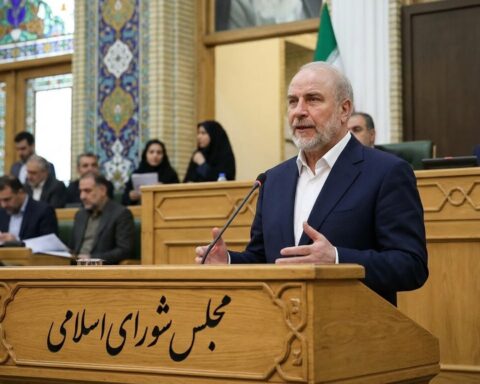
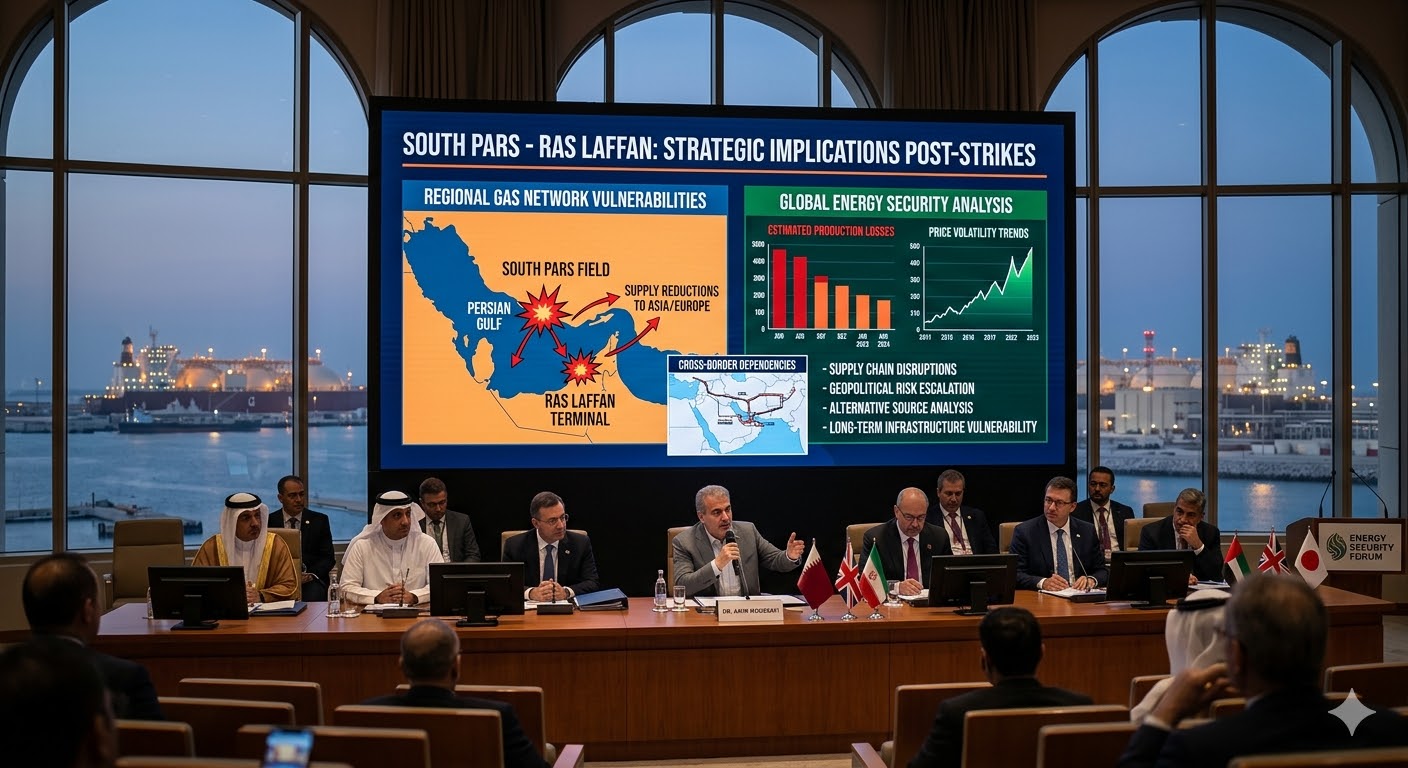
DOHA / TEHRAN — The South Pars Ras Laffan significance has come into focus after strikes hit major gas facilities in Iran and Qatar.
The attacks have raised concerns across the WHITE HOUSE, energy markets, and global policymakers.
The South Pars Ras Laffan significance lies in their role as critical pillars of global gas supply. Any disruption to these sites can quickly affect electricity, industry, and prices worldwide.
South Pars Ras Laffan significance explained: What happened
Recent strikes escalated tensions in the Gulf region:
- Israel hit gas-related facilities near South Pars gas field
- Iran responded by targeting LNG infrastructure at Ras Laffan Industrial City
- Fires broke out at Ras Laffan, though no casualties were reported
- Regional threats expanded to other Gulf energy sites
These events mark a shift toward direct attacks on energy infrastructure.
Why South Pars gas field matters to Iran
The significance starts with South Pars, one of the world’s largest natural gas reserves.
Key facts:
- South Pars forms part of a massive shared gas field with Qatar
- It supplies about 80% of Iran’s domestic gas needs
- It powers homes, electricity, and industry across Iran
- It supports exports, especially to neighboring Iraq
Because Iran depends heavily on this field, any damage could disrupt daily life and regional energy flows.
Why Ras Laffan LNG facility matters globally
The South Pars Ras Laffan significance becomes even clearer with Qatar’s Ras Laffan.
Key points:
- Ras Laffan is the world’s largest LNG production hub
- It produces around 20% of global LNG supply
- It supports energy demand in Europe, Asia, and beyond
- It stabilizes global gas markets during supply shocks
Damage to this facility can affect:
- Electricity prices worldwide
- Industrial production
- Energy security in importing nations
Strait of Hormuz adds to South Pars Ras Laffan significance
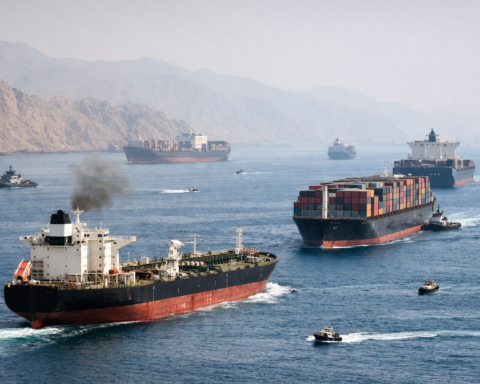
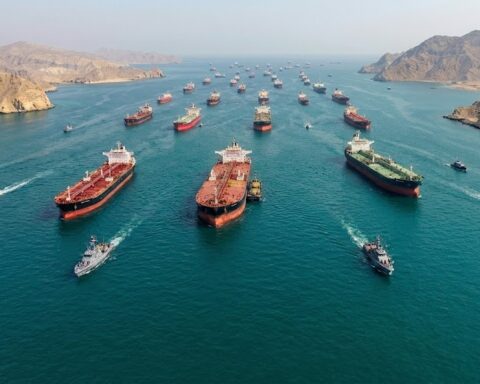
Both sites sit near the Strait of Hormuz, a key transit route for oil and gas.
This location increases risk because:
- About 20% of global energy supply passes through the strait
- Any conflict can disrupt shipping routes
- Markets react quickly to threats in the region
As tensions rise, energy traders closely monitor this chokepoint.
Global impact
The strikes have already affected markets and supply expectations.
Immediate effects:
- LNG prices in Europe surged to multi-year highs
- Oil prices climbed sharply above pre-war levels
- Supply uncertainty increased across global markets
Countries most affected:
- European nations relying on LNG imports
- Asian economies like Japan and India
- Developing countries facing higher energy costs
Regional reactions and security concerns
Gulf countries have increased security around energy infrastructure.
Key developments:
- Saudi Arabia intercepted missiles targeting energy sites
- Abu Dhabi reported incidents near gas facilities
- Qatar condemned attacks and moved to protect its assets
Officials warn that further escalation could expand the conflict across the region.
Outlook for global gas supply and prices
The South Pars Ras Laffan significance will remain central as the conflict evolves.
Key risks ahead:
- Prolonged disruption to LNG production
- Delays in restoring damaged facilities
- Continued volatility in oil and gas prices
Energy security now stands at the center of the crisis.
Governments, including the WHITE HOUSE and CONGRESS, continue to assess the economic and geopolitical fallout.