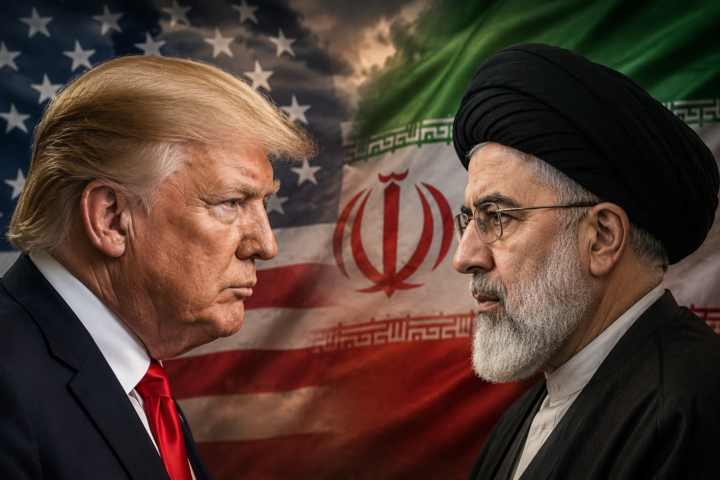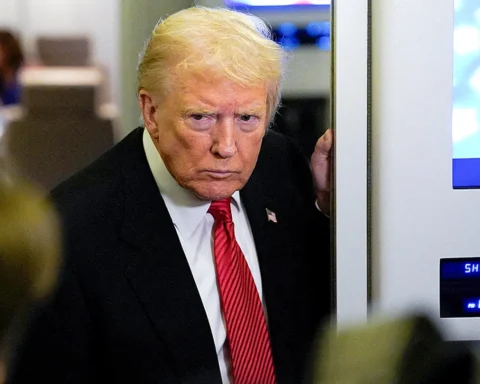
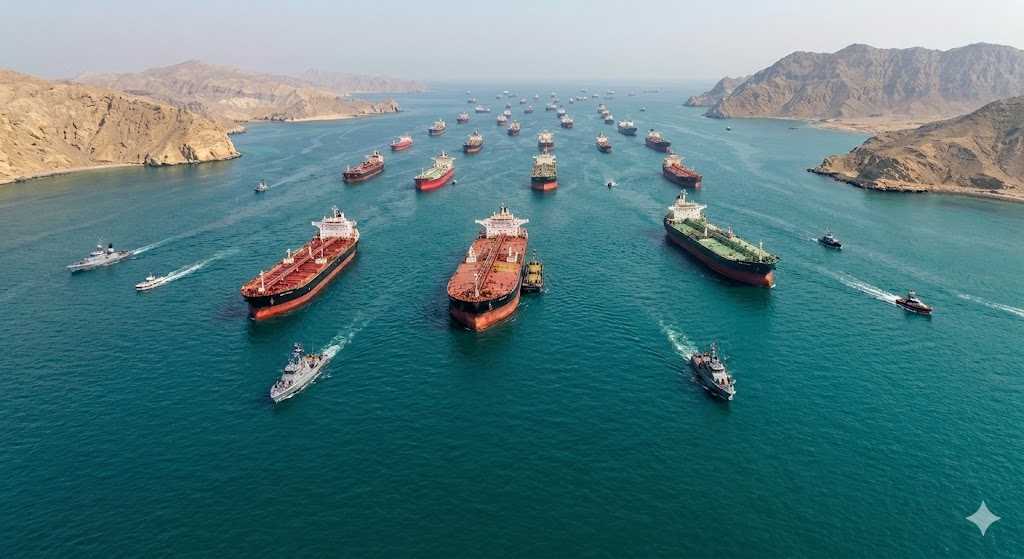
WASHINGTON, DC — The Trump Iran blockade could decide the direction of the war, as the White House shifts from airstrikes to economic pressure.
The strategy is simple but risky. Cut off Iran’s economy. Force leaders to make concessions. End the conflict without another wave of bombings.
However, history shows that such pressure can backfire.
What the Trump Iran Blockade Aims to Do
The blockade targets Iran’s lifeline trade and oil exports.
US officials believe:
- Blocking exports will drain Iran’s revenue
- Cutting imports will trigger shortages
- Economic pressure will force quick negotiations
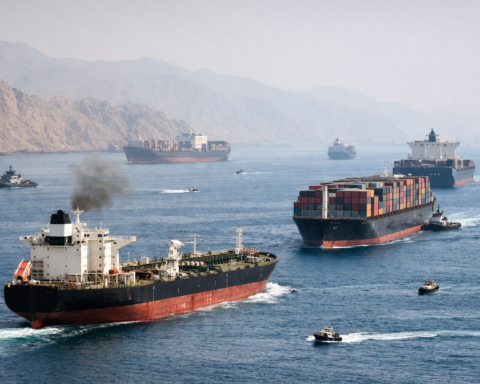
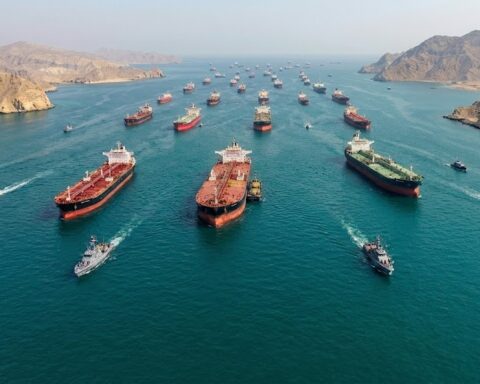
The plan focuses heavily on the Strait of Hormuz, a key global oil route.
More than 20% of the world’s oil flows through this narrow passage. Any disruption here affects the entire global economy.
Why the Strategy Is a High-Stakes Gamble
The Trump Iran blockade relies on one critical assumption that Iran will respond to pressure in a predictable way.
That assumption has failed before.
Past conflicts show that countries under pressure often:
- Resist longer than expected
- Accept economic pain instead of surrendering
- Escalate instead of backing down
Iran’s leadership has already shown a high tolerance for hardship. This raises doubts about whether the blockade will work as planned.
How the Blockade Could Hit Iran’s Economy Fast
Analysts believe the economic impact could be immediate.
Iran depends heavily on maritime trade:
- Over 90% of its trade passes through the Strait
- Oil exports drive much of its revenue
- Storage limits could force production shutdowns
If exports stop, the country could face:
- Rapid inflation
- Currency collapse
- Shortages of essential goods
For ordinary citizens, the pain would be immediate and severe.
Risks for the United States and Allies
The blockade does not only hurt Iran. It also creates risks for the US and its allies.
Key concerns include:
- Rising global oil prices
- Supply chain disruptions
- Potential military escalation
There is also a geopolitical risk.
If US forces stop ships from countries like China or India, tensions could rise quickly. This could pull more nations into the crisis.
Meanwhile, members of the Congress have raised concerns about the long-term consequences of the strategy.
Iran’s Possible Response
Iran still has options and some are dangerous.
Potential responses include:
- Escalating military activity in the Gulf
- Targeting US allies in the region
- Disrupting alternative oil routes
Iran could also rely on regional allies to increase pressure elsewhere, widening the conflict.
Will Pressure Lead to Peace?
The White House remains optimistic that the blockade will push Iran back to the negotiating table.
But recent talks suggest deep divisions remain:
- The US wants strict nuclear limits
- Iran demands compensation and sovereignty
- Both sides remain far apart on key issues
Diplomacy may take months, not days.
The Bigger Question
The Trump Iran blockade is more than a military strategy. It is a test of endurance.
Will economic pressure break Iran’s resistance?
Or will it harden positions and deepen the conflict?
For now, the world watches knowing the outcome could reshape the region and the global economy.