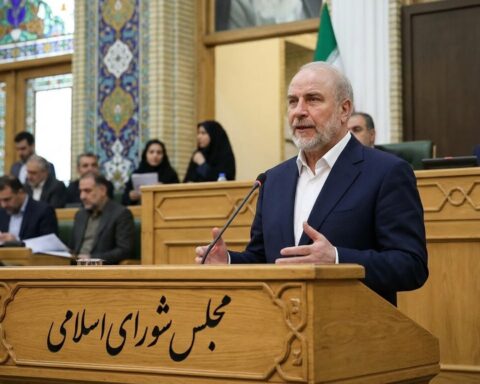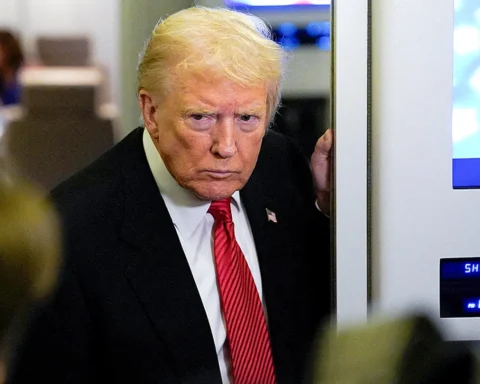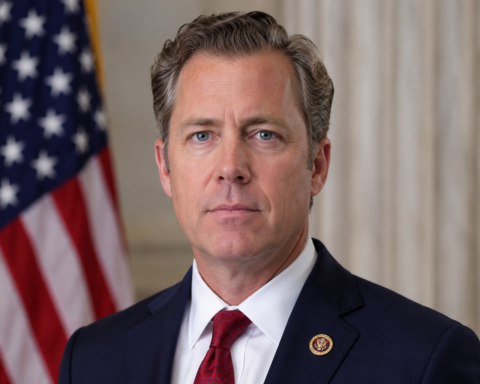
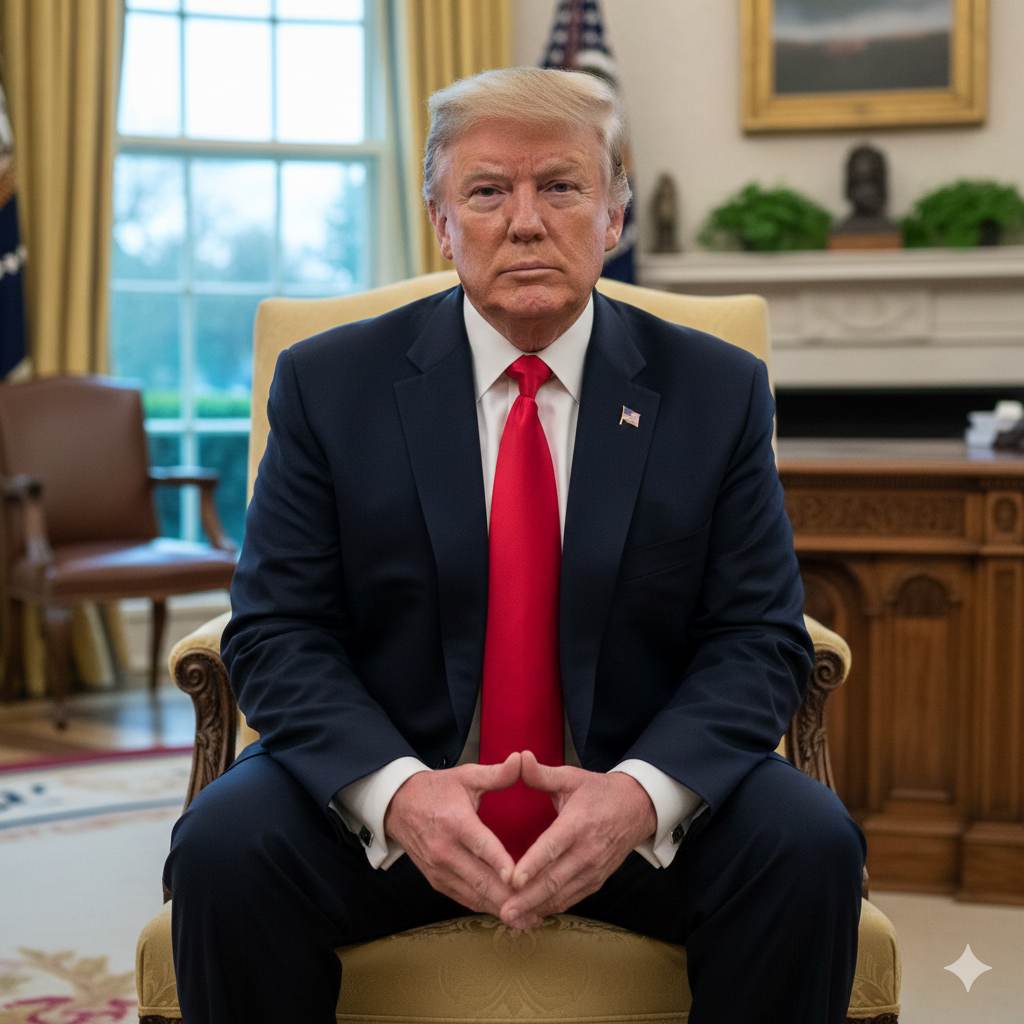
WASHINGTON — The Trump administration plans to hold the first formal meeting of President Donald Trump’s newly created Board of Peace.
The meeting is being held later this month, as uncertainty continues over the group’s mission and global role.
Invitations for the meeting went out Friday for a February 19 gathering in Washington, according to a U.S. official and a diplomat from a participating country.
The meeting will take place in the U.S. Institute of Peace, which President Trump recently renamed.
The Board of Peace brings together multiple countries under a U.S.-led framework aimed at addressing international conflicts.
However, its expanded mandate has drawn scrutiny from allies and foreign policy experts.
Board’s Mission Expands Beyond Gaza
The administration initially presented the Board of Peace as a limited body focused on rebuilding Gaza after the Israel-Hamas war.
Since then, the group’s scope has widened.
A draft charter circulated with the invitations outlining a global conflict-resolution role.
Notably, the document does not mention Gaza, signaling a shift from the board’s original purpose.
The charter frames the organization as a new platform for diplomacy, investment, and post-conflict reconstruction across multiple regions.
Fundraising and Strategy Take Shape
People involved in organizing the event explain that the February meeting will serve two purposes:
- A working session: Officials and participants will meet to discuss plans, roles, and next steps for the Board of Peace.
- A fundraiser: The event will also seek financial support, such as donations or pledges, to help fund the board’s activities.
At the same time, the full agenda and logistics are not finished yet, so some details are still being worked out.
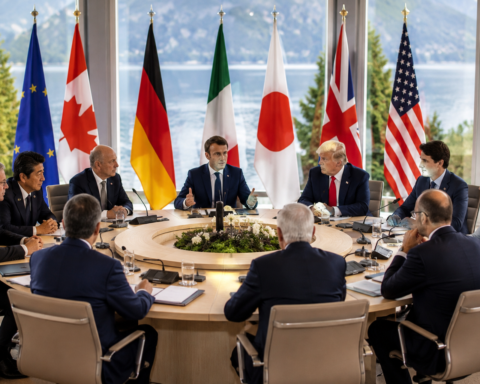
The gathering will mark the board’s first in-person meeting since a signing ceremony at the World Economic Forum in Davos last month.
Nearly two dozen countries joined the initiative at that event.
Attendance details remain unclear, including which governments will send senior leaders or diplomatic representatives.
Skepticism Grows Among U.S. Allies
The Board of Peace has generated concern among several Western allies.
Key issues include:
- Questions about whether the group duplicates or replaces the United Nations
- Uncertainty over decision-making authority
- Limited participation from European allies
Israel accepted an invitation to join but has not formally signed the charter.
Prime Minister Benjamin Netanyahu expressed support for the concept but is yet to confirm participation in the upcoming meeting.
Gaza Plan Moves Forward Without Clear Answers
The meeting comes as the administration pushes Phase Two of its Gaza peace plan.
While the ceasefire process advanced in mid-January, major obstacles remain.
The plan continues to rely on the demilitarization of Hamas, a condition the administration has pledged to enforce without releasing detailed enforcement steps.
At Davos, Jared Kushner unveiled a presentation outlining a large-scale redevelopment vision for Gaza.
The proposal featured major infrastructure projects and private investment plans along the coastline.
Kushner emphasized that the administration has no alternative plan if the ceasefire framework fails.
Member Countries Span Multiple Regions
The Board of Peace includes countries from the Middle East, Europe, Asia, and Latin America.
Current participants include:
- Middle East: United Arab Emirates, Saudi Arabia, Egypt, Qatar, Bahrain
- Europe: Hungary, Kosovo, Albania, Bulgaria
- Asia: Pakistan, Türkiye, Kazakhstan, Mongolia, Uzbekistan, Indonesia, Vietnam
- Americas: Argentina, Paraguay
- Africa: Morocco
The broad membership highlights the administration’s effort to build a multinational coalition outside traditional institutions.
Next Steps for the Board of Peace
President Trump is expected to meet Prime Minister Netanyahu in Washington this week.
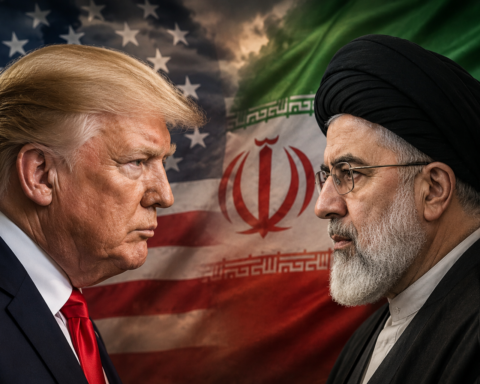
Although officials indicate that discussions will focus on Iran, not the Board of Peace.
As the first meeting approaches, the board faces mounting questions about its authority, goals, and long-term impact on global diplomacy.
The Board of Peace is moving from concept to action, but its expanded mission and unclear mandate continue to raise doubts among allies and observers.