WASHINGTON, D.C. — Voter roll purges are expanding as Donald Trump and Republican officials test federal limits on removing voters before elections.
Voter roll purges now sit at the center of a legal and political fight involving the Department of Justice, Congress, and state election systems.
At issue is whether aggressive voter roll purges can continue within 90 days of an election. That window, often called the “quiet period,” has long restricted large-scale removals.
Now, however, new efforts aim to challenge that precedent.
Voter roll purges test federal “quiet period” law
For decades, election law has limited systematic voter removals close to Election Day. The restriction comes from the National Voter Registration Act.
However, Republicans argue that the rule does not apply to certain categories of voters.
Core legal dispute:
- Federal law blocks “systematic” removals within 90 days
- GOP officials argue non-citizen removals fall outside the ban
- Voting rights groups warn of potential disenfranchisement
- Courts remain divided on how the rule applies
As a result, voter roll purges are now moving into legally uncertain territory.
DOJ expands voter roll purges review using federal database
The Department of Justice has launched a nationwide effort to review voter registration files.
Officials are using the SAVE system to identify potential non-citizens on voter rolls.
Yet the system has raised concerns due to accuracy issues.
Key concerns about the database:
- High rate of false positives
- Incomplete or outdated immigration records
- Inconsistent matching across states
- Limited guidance for local election officials
For example, a review in Idaho flagged hundreds of potential non-citizens. After further checks, only a small fraction moved forward for investigation.
Therefore, critics argue that voter roll purges based on such data risk removing eligible voters.
State officials divided over voter roll purges expansion
Across the country, state election officials are taking different approaches.
Some Republican-led states support aggressive voter roll purges. Others urge caution.
Current state responses:
- Some states send notices to flagged voters immediately
- Others conduct additional verification checks first
- Local officials report confusion over procedures
- County-by-county approaches vary widely
Consequently, enforcement remains uneven nationwide.
Legal precedent under pressure from GOP strategy
Republican officials point to recent court actions to support their position.
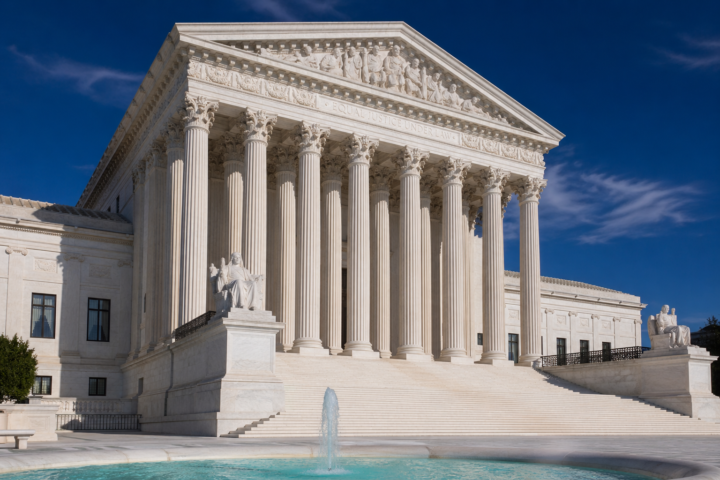
In 2024, the Supreme Court allowed Virginia to proceed with a voter removal program shortly before an election. That emergency order has fueled new legal arguments.
Meanwhile:
- The Republican National Committee is pushing for a definitive ruling
- A case from Arizona could reshape national standards
- Lower courts have issued conflicting decisions
Because of this, voter roll purges are likely to remain a central legal issue through upcoming elections.
Risks grow for eligible voters
Voting rights advocates warn that aggressive voter roll purges could impact legitimate voters.
They argue that the 90-day window exists for a reason.
Key risks:
- Voters may receive late or no notification
- Re-registering can take weeks or months
- Documentation requirements may delay reinstatement
- Errors may go unresolved before Election Day
Although safeguards exist, such as provisional ballots, critics maintain that those protections are not always sufficient.
Election officials face operational strain
Beyond legal risks, election administrators face increasing pressure.
Processing voter roll purges close to elections creates logistical challenges.
Operational concerns:
- Increased workload during peak election preparation
- Limited time to verify data accuracy
- Greater risk of administrative errors
- Strain on local election infrastructure
Experts argue that these tasks are better handled well before election deadlines.
What comes next for voter roll purging
Looking ahead, several developments could shape the issue:
- Court rulings: The Supreme Court may clarify the law
- Emergency litigation: Last-minute lawsuits could block purges
- State legislation: More states may adopt aggressive review policies
- Federal action: Congress could attempt to redefine the rules
However, a final resolution is unlikely before the next major election cycle.
A defining fight over election rules
These purges have become a defining issue in US election policy. As Trump and GOP officials push for expanded authority, legal boundaries continue to blur.
At the same time, concerns about voter access and election integrity are colliding in courts and legislatures.
Ultimately, the outcome of this fight will shape how Americans register—and remain registered—to vote.