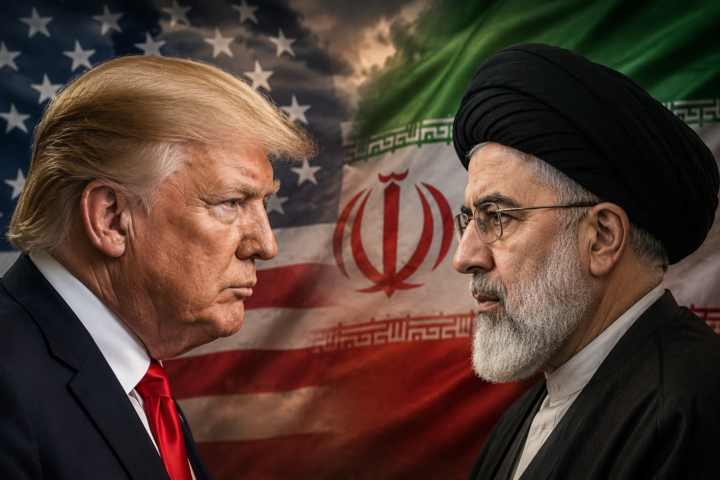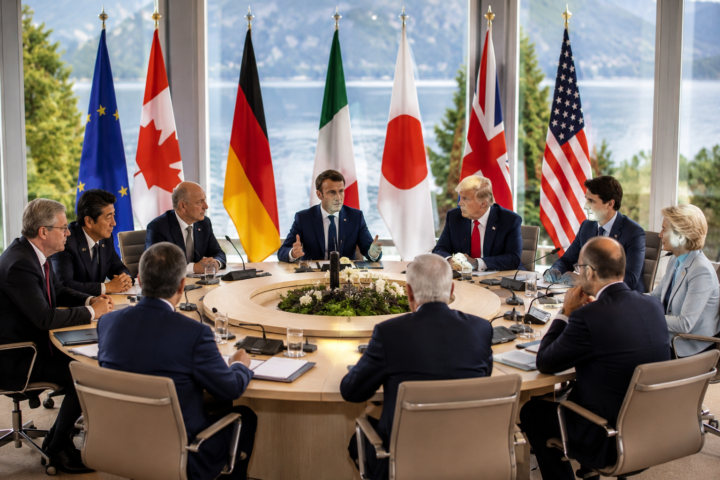
The US Iran talks ended without a deal after intense negotiations in Islamabad. The failure has raised fresh fears of escalation as the conflict continues to strain the region.
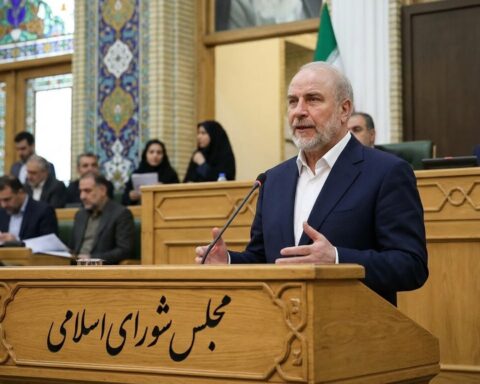
Officials linked to the White House and Iranian leadership held hours of discussions. However, both sides left without agreement, despite mounting international pressure.
What happened during the US Iran talks
The talks stretched over several hours and focused on ending the ongoing conflict and reopening key trade routes.
Negotiators discussed:
- A possible ceasefire framework
- Security guarantees for both sides
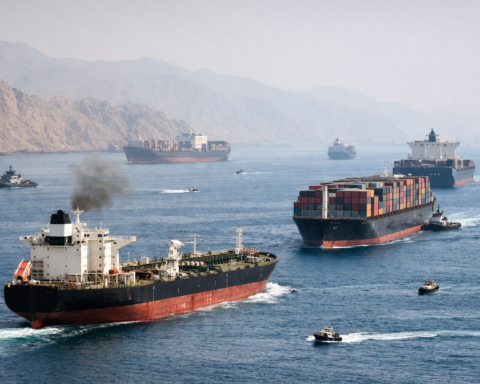
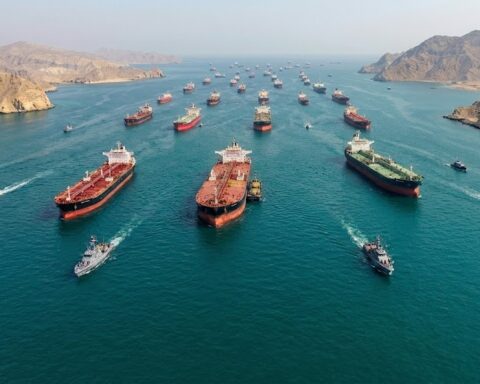
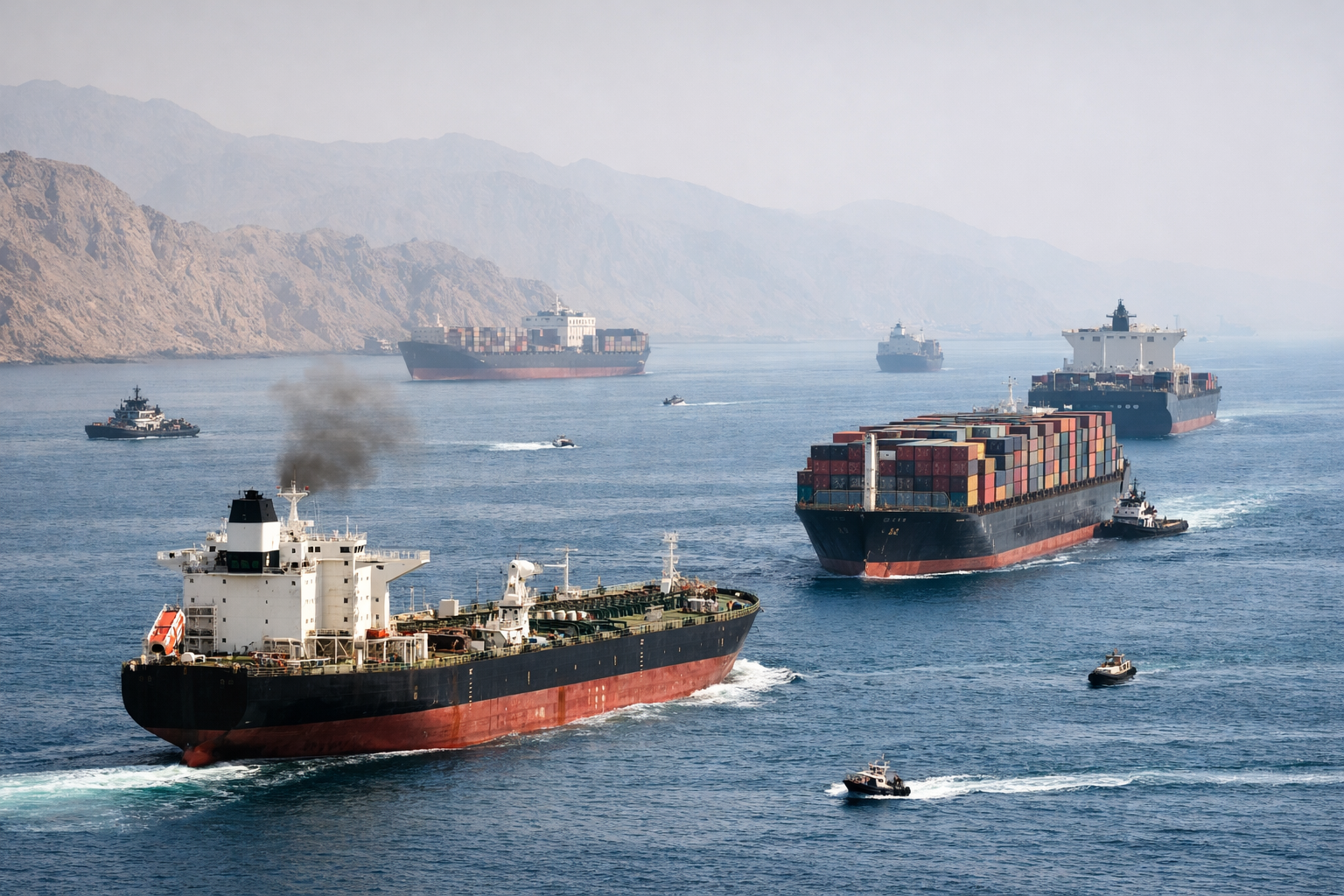
- Reopening the Strait of Hormuz
- Limits on military activity
Despite progress on some points, major disagreements remained unresolved.
Why the US Iran talks failed
Diplomatic sources point to deep mistrust and conflicting demands.
Key sticking points included:
- US demands for stricter nuclear limits
- Iran’s call for an end to military actions
- Disagreements over sanctions relief
Iranian officials insisted on guarantees before any deal. Meanwhile, US officials pushed for immediate concessions.
Pakistan’s role in US Iran talks
Pakistan hosted the talks and tried to bridge the gap between both sides.
Officials in Islamabad worked to:
- Facilitate dialogue between delegations
- Propose compromise frameworks
- Maintain communication channels
Although no deal was reached, Pakistan’s mediation kept discussions alive.
Global pressure rises after failed US Iran talks
The collapse of the talks has triggered concern across global institutions.
Key reactions include:
- Calls for restraint from United Nations
- Increased scrutiny from US Congress
- Diplomatic outreach from regional powers
Energy markets also reacted as uncertainty around the Strait of Hormuz continued.
What comes next after US Iran talks fail
Despite the setback, diplomacy is not over.
Next steps may include:
- Renewed talks through intermediaries
- Back channel negotiations
- Increased international pressure
Officials warn that time is running out. Each failed meeting increases the risk of wider conflict.