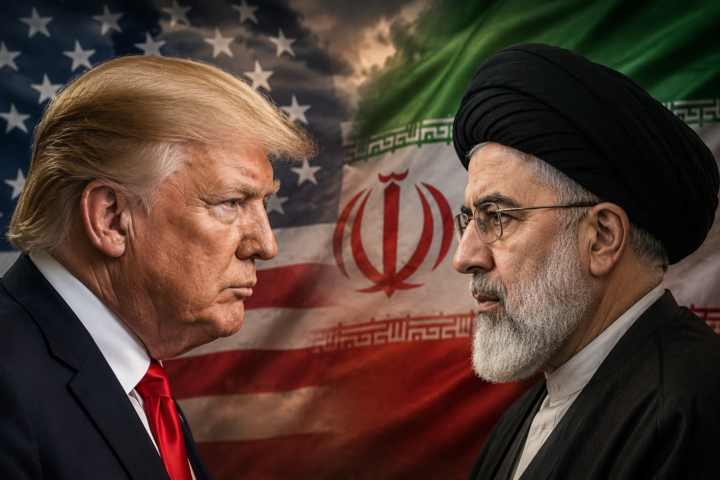
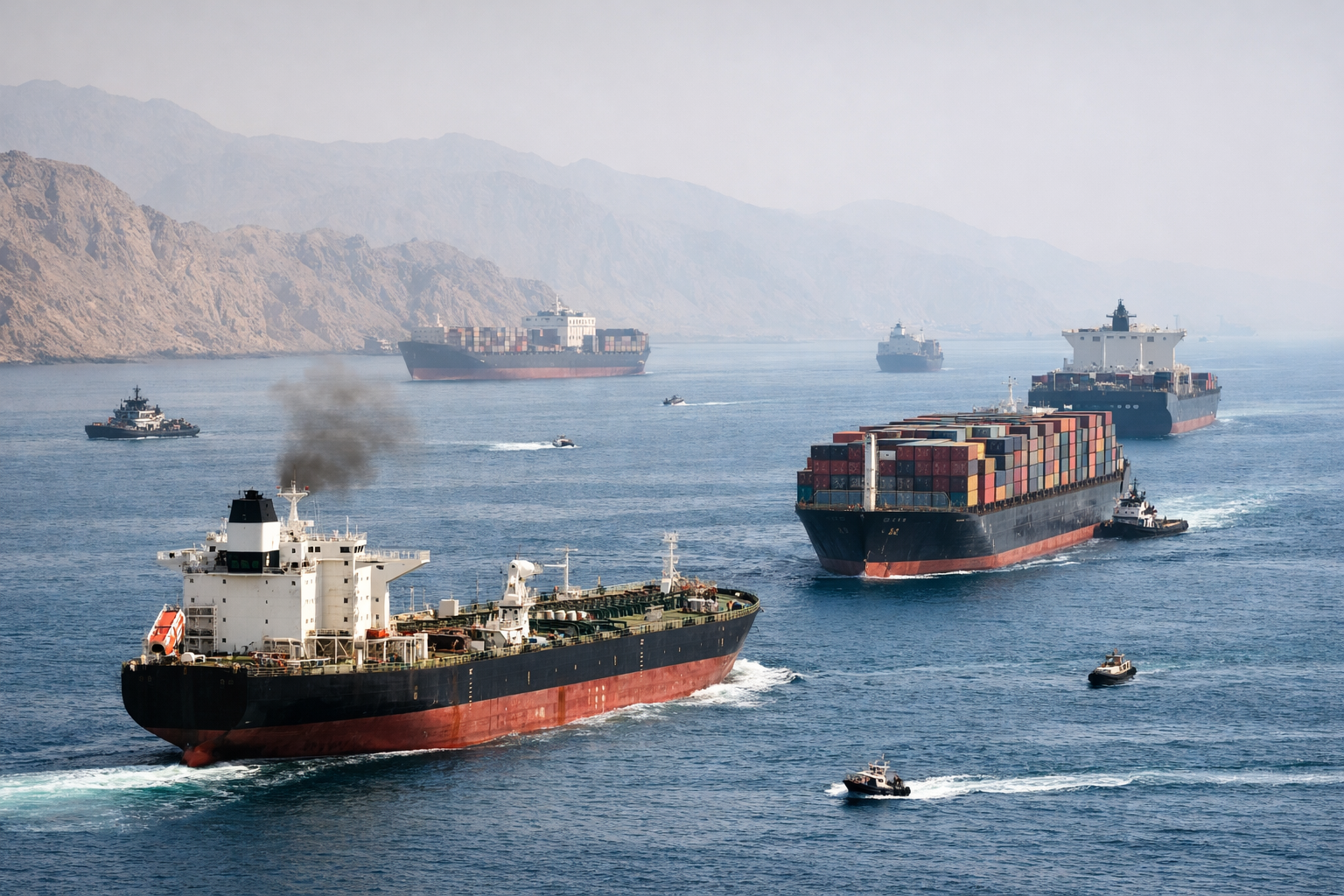
The Hormuz ship crisis deepened this week as Iran seized foreign vessels and fired at others in the Strait of Hormuz. At the same time, the United States expanded its naval blockade of Iranian ports, raising fears of a wider confrontation.
The crisis has created a dangerous standoff. Iran now controls parts of the strait’s exit routes, while US forces influence entry points from the Arabian Sea. As a result, global shipping faces growing uncertainty.
Strategic waterway at the center of the Hormuz ship crisis
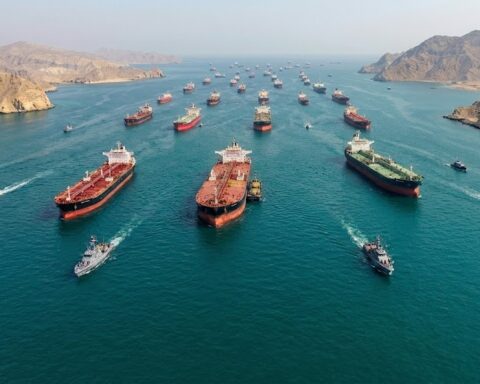
The Strait of Hormuz connects the Persian Gulf to global markets. It sits between Iran and Oman and serves as a vital route for oil and gas exports.
Key facts:
- Handles nearly 20% of global oil and LNG shipments
- Narrowest width is about 21 nautical miles
- Critical for Gulf producers exporting energy worldwide
After the war began on February 28, Iran moved to restrict traffic. The Islamic Revolutionary Guard Corps (IRGC) later announced control over the waterway.
Iran’s early moves reshaped shipping rules
Iran initially limited access to what it described as “enemy” nations. However, it allowed some countries to pass under strict conditions.
During March and early April:
- Ships from countries like China, India, and Malaysia transited the strait
- Iran introduced a vetting system for vessels
- Some ships reportedly paid transit fees
Despite tensions, Iran maintained strong oil exports. In fact, exports increased compared to before the war levels, supported by high oil prices.
US blockade raises stakes in the Hormuz ship crisis
On April 13, the United States launched a naval blockade targeting Iranian shipping.
Since then:
- US forces redirected more than 30 Iran-linked vessels
- A container ship near the Arabian Sea was seized
- Additional tankers were intercepted across Asian waters
The Pentagon framed the operation as enforcement against sanctioned trade. Meanwhile, the White House signaled that the blockade aims to pressure Tehran into negotiations.
Iran responds with ship seizures and force
In response, Iran escalated its actions in the strait.
Recent developments include:
- Seizure of two foreign container ships
- Gunfire directed at multiple vessels
- Detention of ships accused of violating maritime rules
Notably, the targeted ships were not directly linked to the US or Israel. This marks a shift in Iran’s approach and raises risks for neutral countries.
Dual control creates high-risk maritime gridlock
The Hormuz ship crisis has produced a rare situation where two rival militarizes influence the same route.
Current dynamics:
- Iran controls movement out of the Gulf
- US forces influence entry into the Gulf
- Ships require approval from both sides
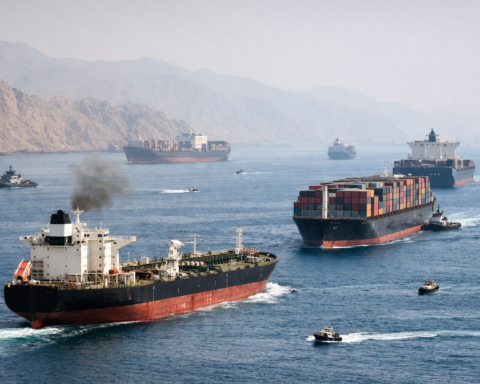
This has slowed traffic and increased operational risks for shipping companies.
Economic stakes rise as oil flows face disruption
Despite restrictions, Iran has continued exporting oil through controlled channels.
Recent estimates show:
- More than 55 million barrels exported in one month
- Oil prices frequently exceeded $90 per barrel
- Monthly revenue rose compared to before war levels
However, prolonged disruption could strain global supply and increase energy prices worldwide.
Tensions spread beyond Iran and the US
The Hormuz ship crisis now involves multiple countries.
Key concerns:
- Foreign vessels from Asia and Europe have been affected
- Potential diplomatic friction with major economies
- Increased risk of broader regional escalation
Analysts warn that each new incident raises the chance of miscalculation at sea.
Ceasefire under pressure as crisis deepens
Although a ceasefire remains in place, maritime clashes continue.
Iranian officials have linked stability in the strait to lifting the US blockade. At the same time, US officials continue to express optimism about possible talks.
However, positions remain far apart:
- Washington seeks limits on Iran’s nuclear and missile programs
- Tehran demands economic relief and control over its trade
What comes next in the Hormuz ship crisis
The situation now resembles a high-stakes standoff. Both sides continue to test limits without backing down.
Possible outcomes include:
- Renewed negotiations if pressure builds
- Further escalation if ship seizures continue
- Global economic impact if shipping disruptions worsen
For now, the Strait of Hormuz remains a critical flashpoint. The next move by either side could shape the direction of the conflict and the global economy.