The Voting Rights ruling from the US Supreme Court has reshaped how courts will handle redistricting cases across the country.
The ruling will affect minority representation and election laws heading into the 2026 midterms and beyond.
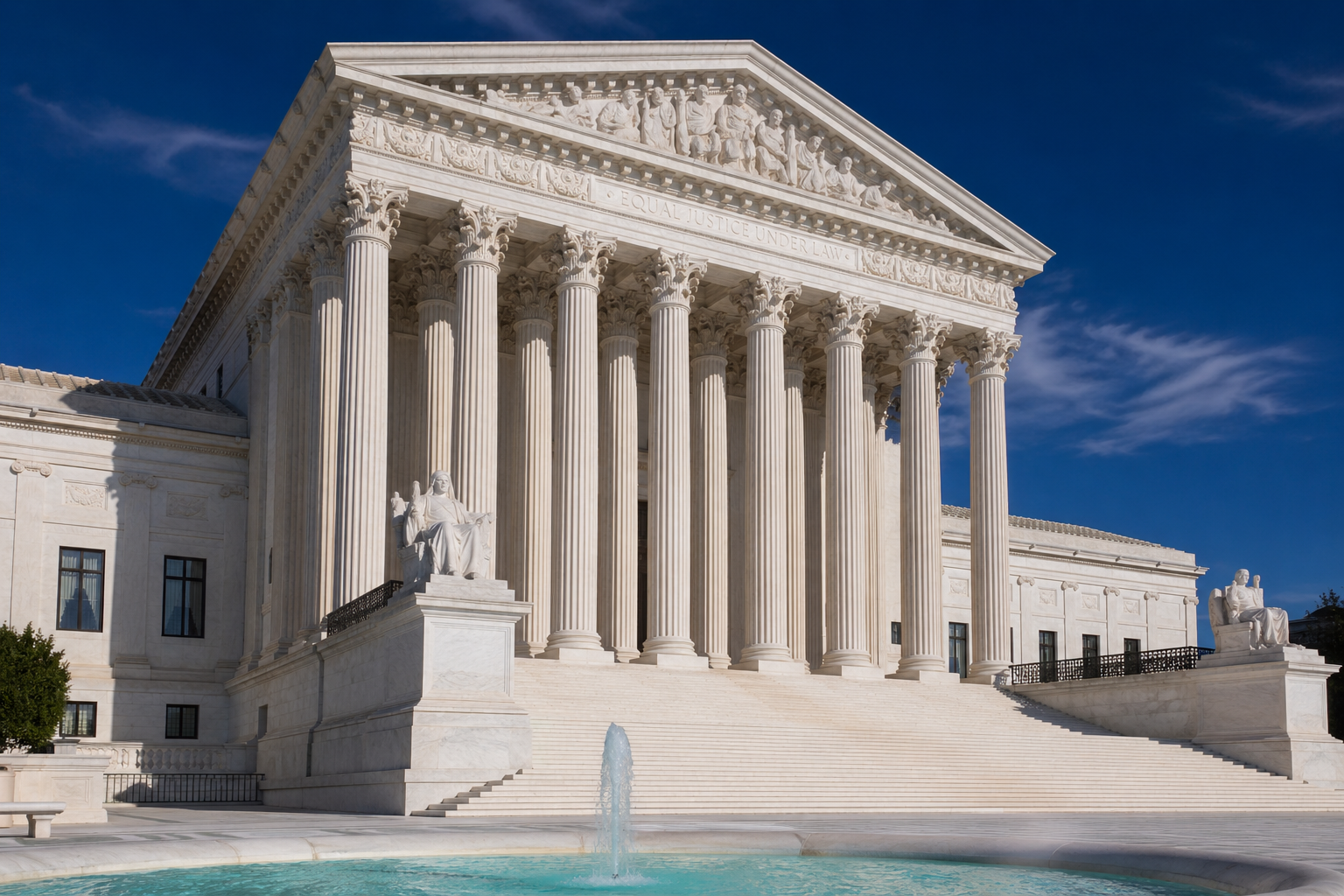
The Supreme Court issued the Voting Rights ruling in a Louisiana redistricting case that now sets a stricter standard for challenging electoral maps.
As a result, legal fights over race and representation will face higher barriers in federal courts.
Supreme Court Voting Rights ruling reshapes legal test
The Supreme Court, led by Justice Samuel Alito, narrowed how plaintiffs can challenge maps under the Voting Rights Act.
Key changes include:
- Courts now require stronger proof of intentional discrimination
- Plaintiffs must meet a higher burden of evidence
- Race-based claims face tighter judicial scrutiny
Justice Elena Kagan, in dissent, warned the ruling weakens Congress’ original intent to protect equal electoral opportunity.
Louisiana case triggers Voting Rights ruling impact
The case centered on Louisiana’s congressional map, which had created a second majority-Black district after a Voting Rights Act challenge.
The Supreme Court ruled:
- The map relied too heavily on race
- The district design violated constitutional limits
- Prior legal standards must be reinterpreted
This decision returns the case to lower courts for further review.
How Voting Rights ruling changes redistricting law
The Voting Rights ruling significantly shifts legal interpretation built over 40 years.
Key legal effects:
- Intentional discrimination becomes harder to prove
- Courts may no longer focus on “impact alone”
- Plaintiffs must show strong inference of intent
As a result, civil rights groups warn that future Voting Rights Act cases will become more difficult to win.
Political impact on US Congress and states
The ruling arrives during an active election cycle. However, its full impact may unfold over multiple election cycles.
Possible short-term effects:
- Some states may attempt quick map redraws
- Republican-controlled legislatures could gain advantage
- Legal uncertainty may delay changes before 2026
Longer-term effects:
- Major redistricting shifts expected before 2028
- Post-2030 census maps likely to change significantly
- Increased political battles in state legislatures
Midterm elections and political strategy shift
The Voting Rights ruling could reshape House control strategies.
- GOP officials may push for new district maps in Southern states
- Democratic states may face counter-lawsuits
- Courts may see increased redistricting litigation nationwide
Experts warn the ruling may strengthen partisan redistricting trends already underway.
Legal experts divided on Voting Rights ruling impact
Some election law experts argue the ruling raises evidentiary barriers too high.
Others say:
- Courts are correcting overly broad interpretations of the Voting Rights Act
- States retain flexibility in political map drawing
- Future disputes will depend heavily on state-level decisions
Key Developments
- Lower courts will re-examine Louisiana case
- States may test new redistricting strategies
- Civil rights groups prepare fresh legal challenges
- Congress may revisit voting legislation debates